VW Karmann Ghia Type 14
Rust above all: the inner sills that double as heater channels, A-pillars, front wheel arches, floors and front boot. The Beetle mechanicals are easy.
The short answer
What should you check before buying a VW Karmann Ghia Type 14 (1955–1974)?
- The Type 14 was built by Karmann in Osnabrück from 1955 to 1974 as a coupé and, from 1957, a cabriolet, on Beetle mechanicals with 30 to 50 PS.
- Rust is the main problem; the inner sills double as heater ducts and have rusted on most cars, and body panels are scarce and expensive because the body is fully welded.
- Buy the best body you can afford; Hagerty put a usable coupé at about £7,500 and an excellent one at about £19,000 in 2023, and pre-1971 cars and cabriolets cost more.
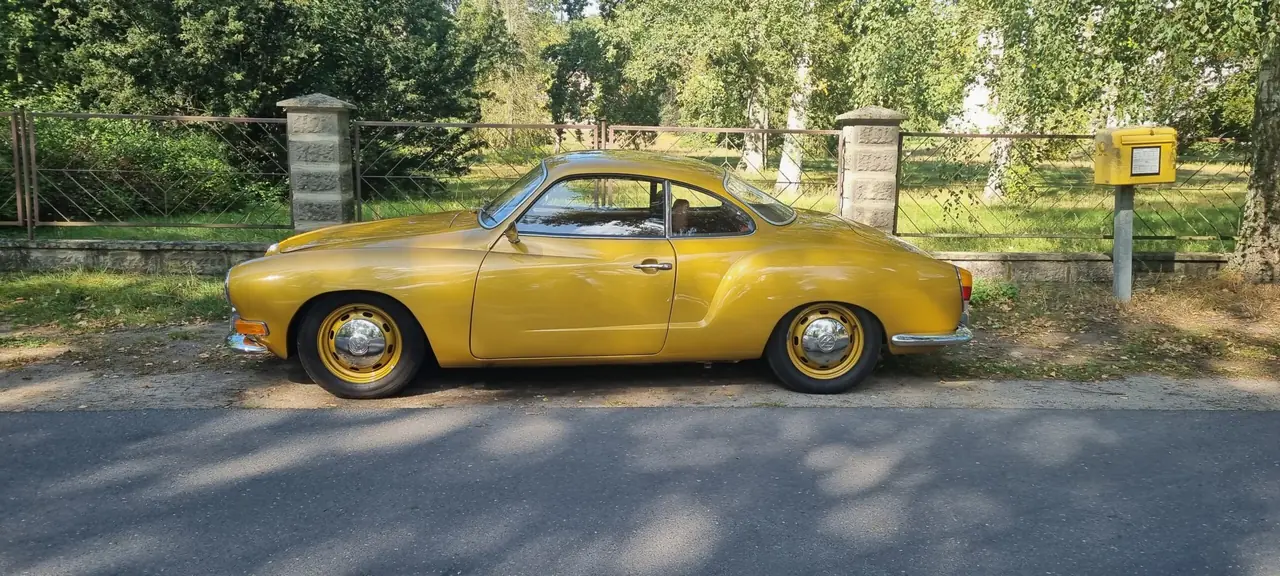
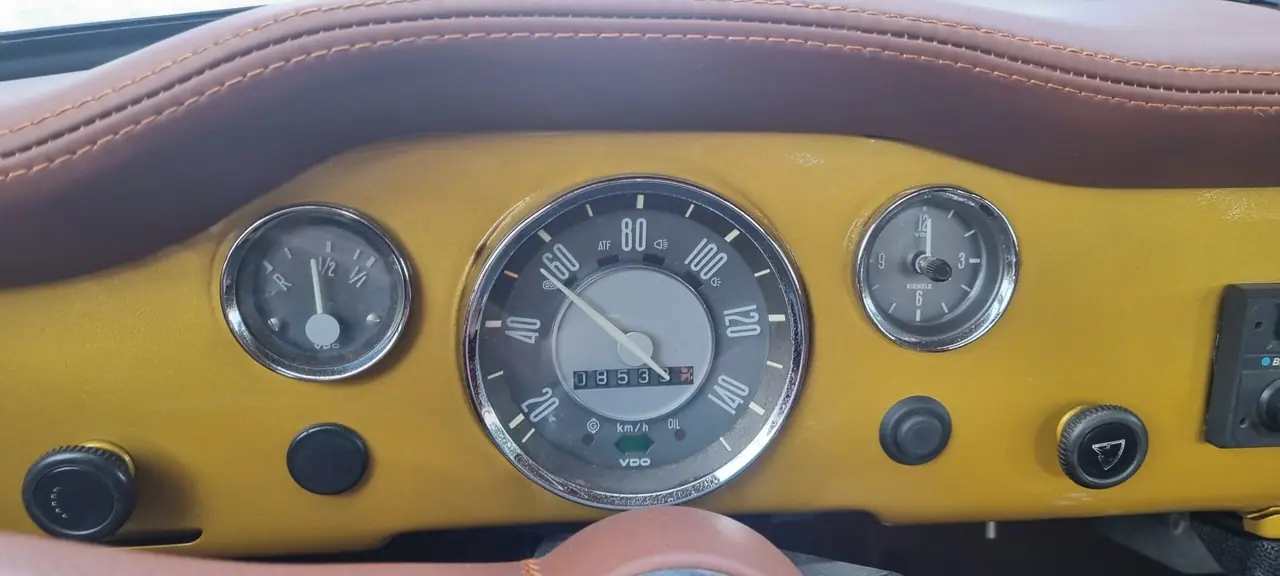
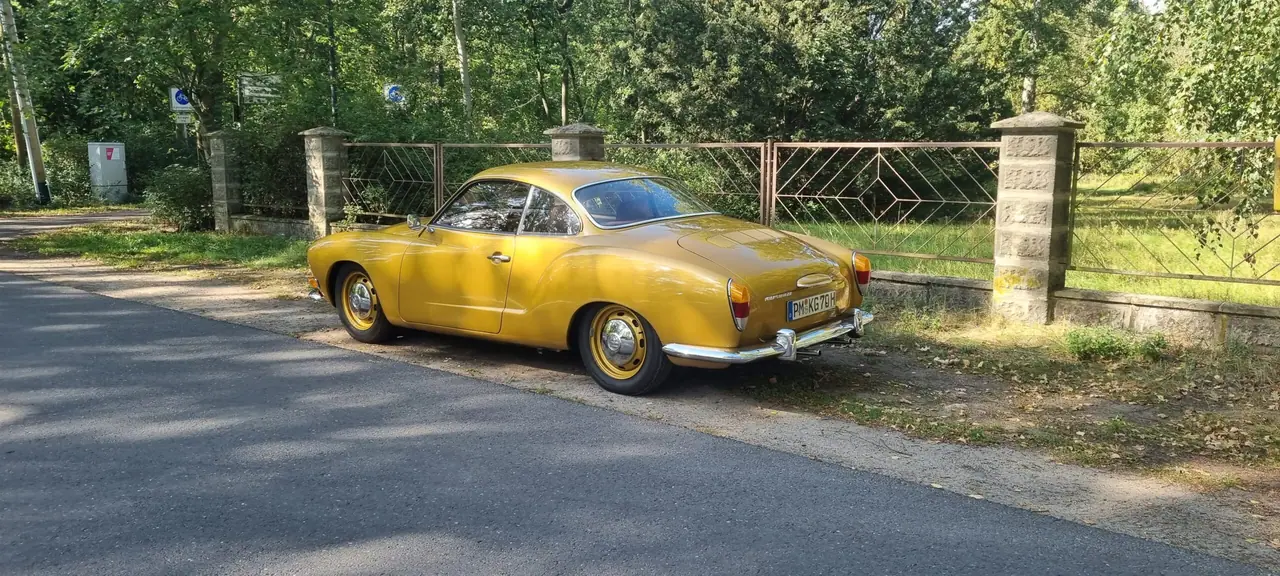
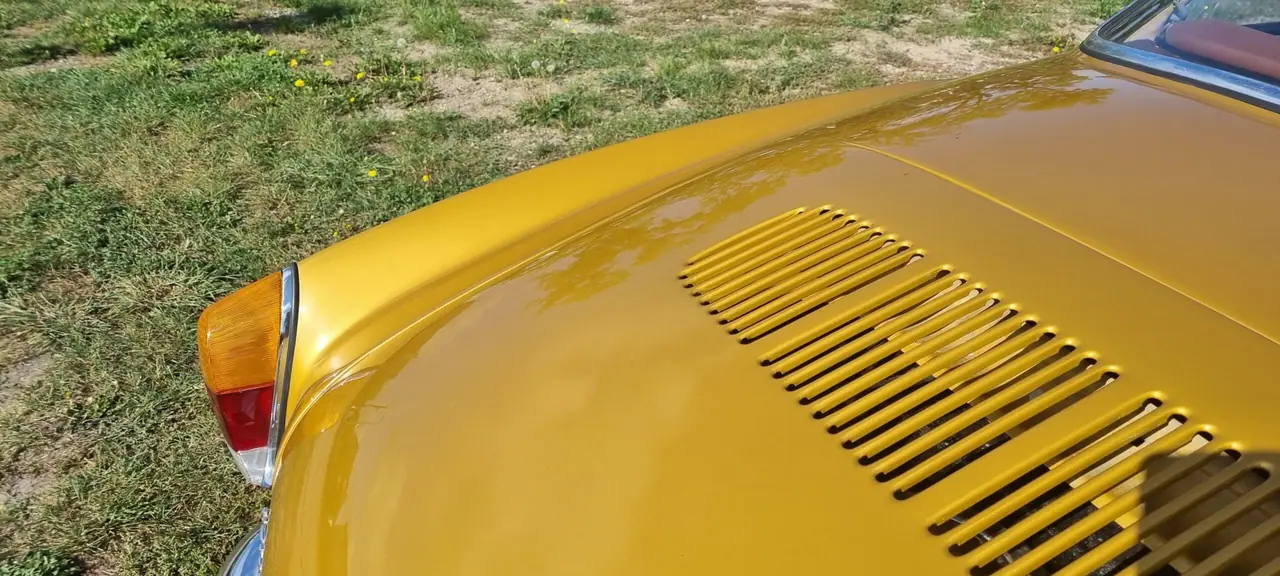
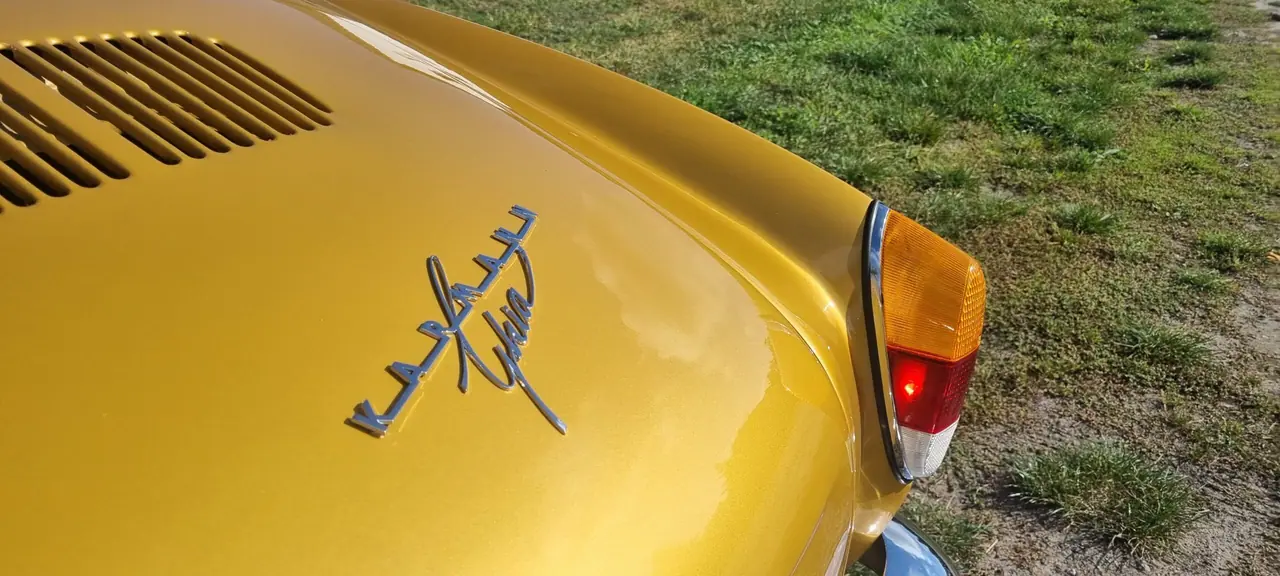
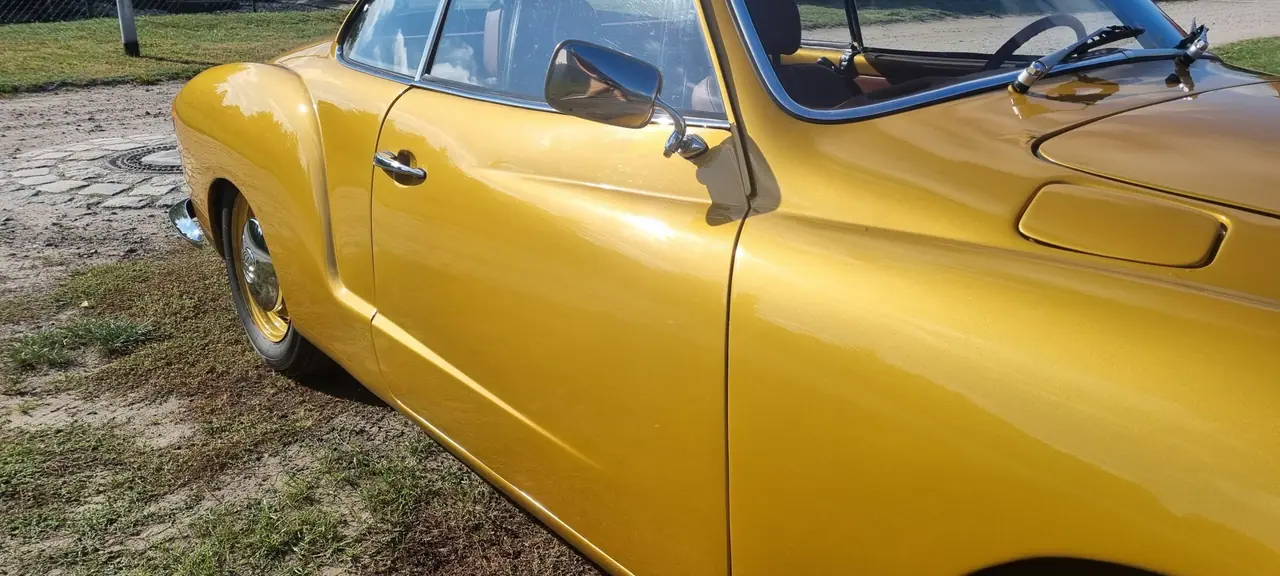
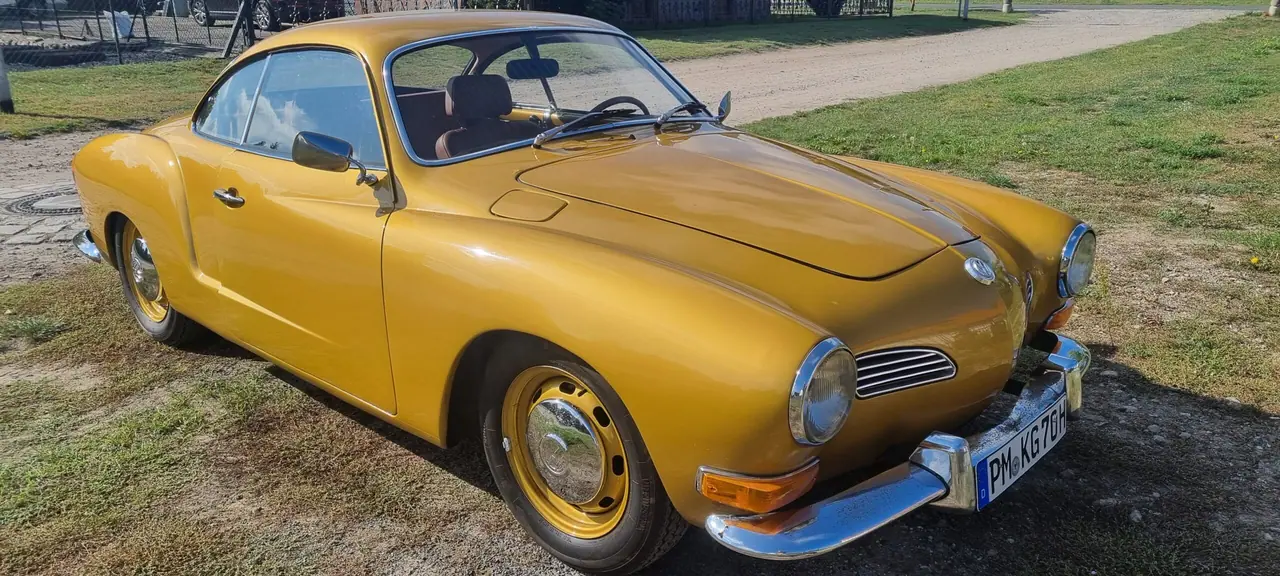
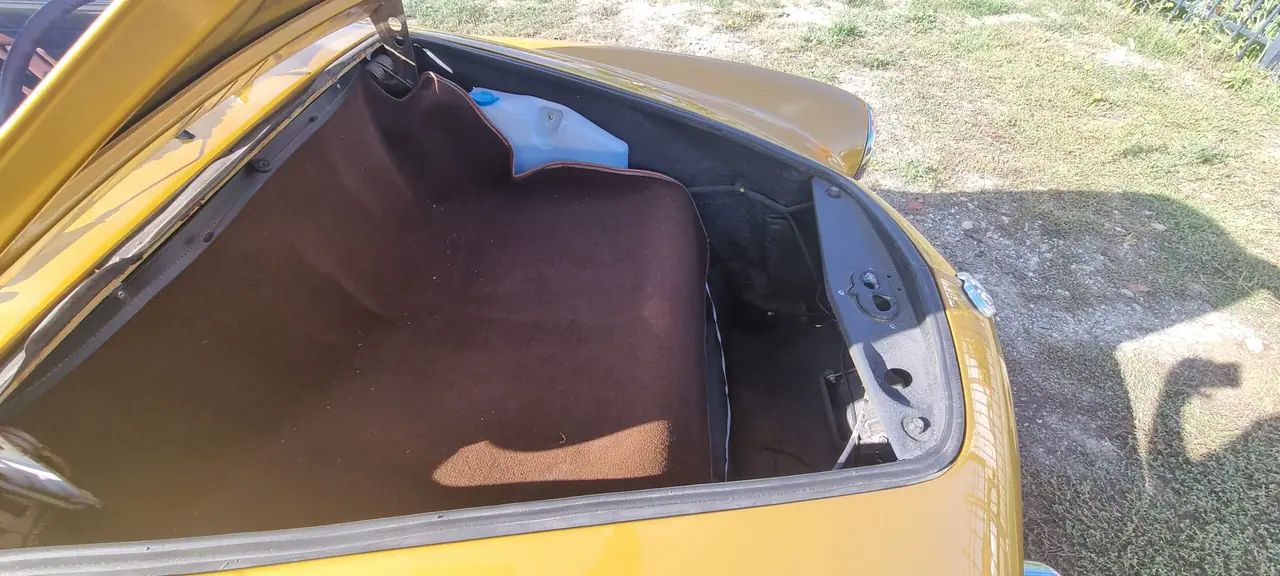
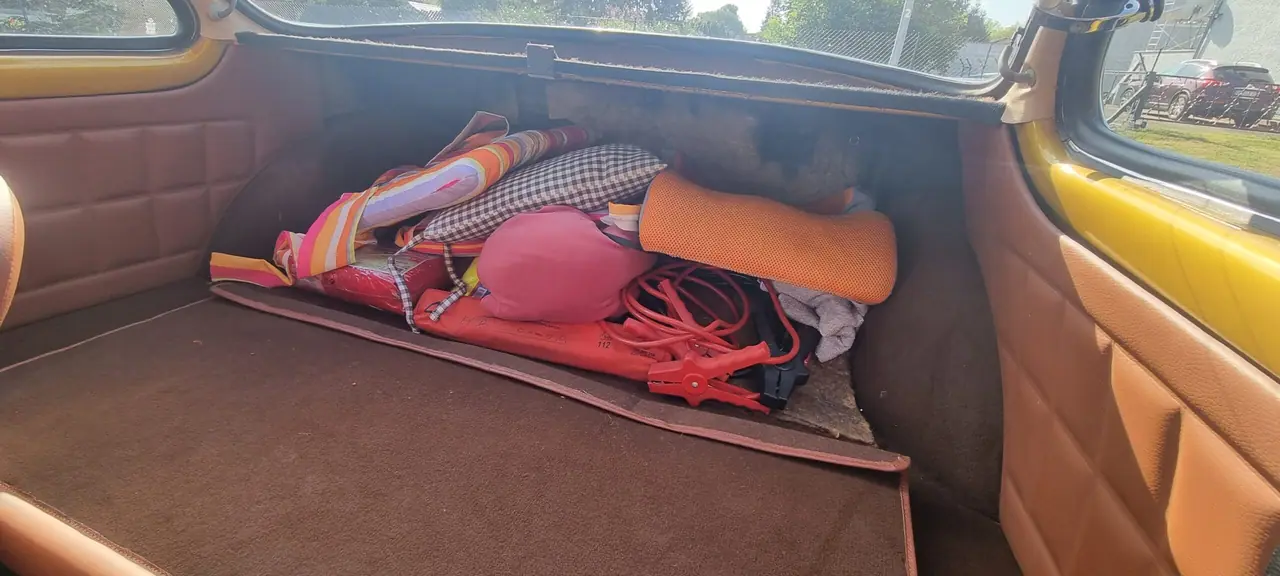
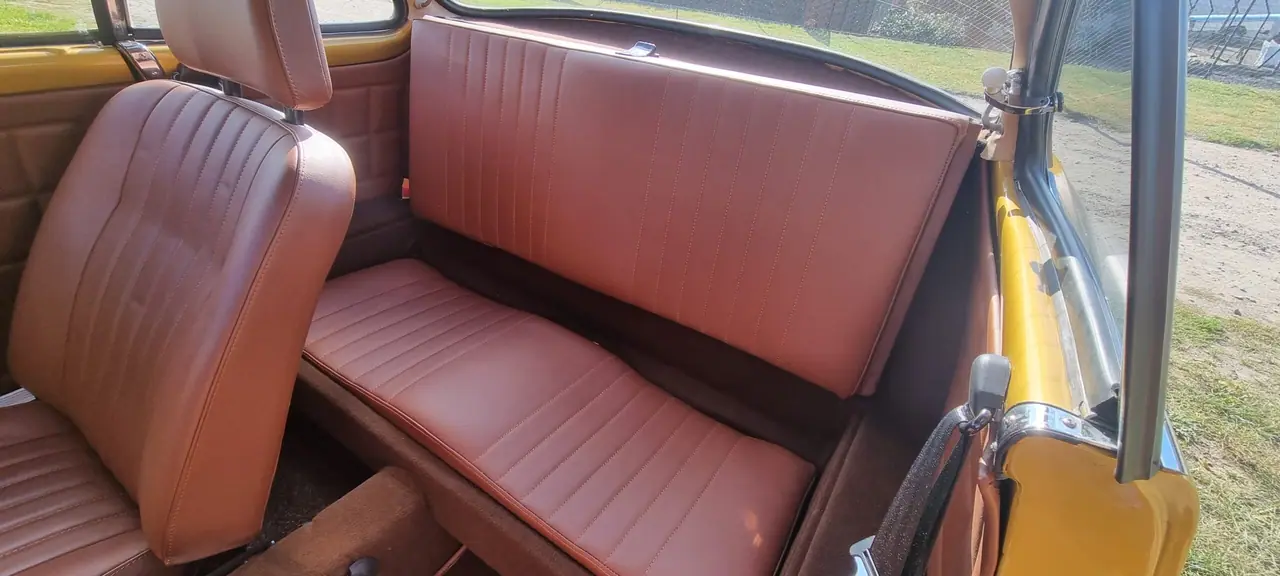
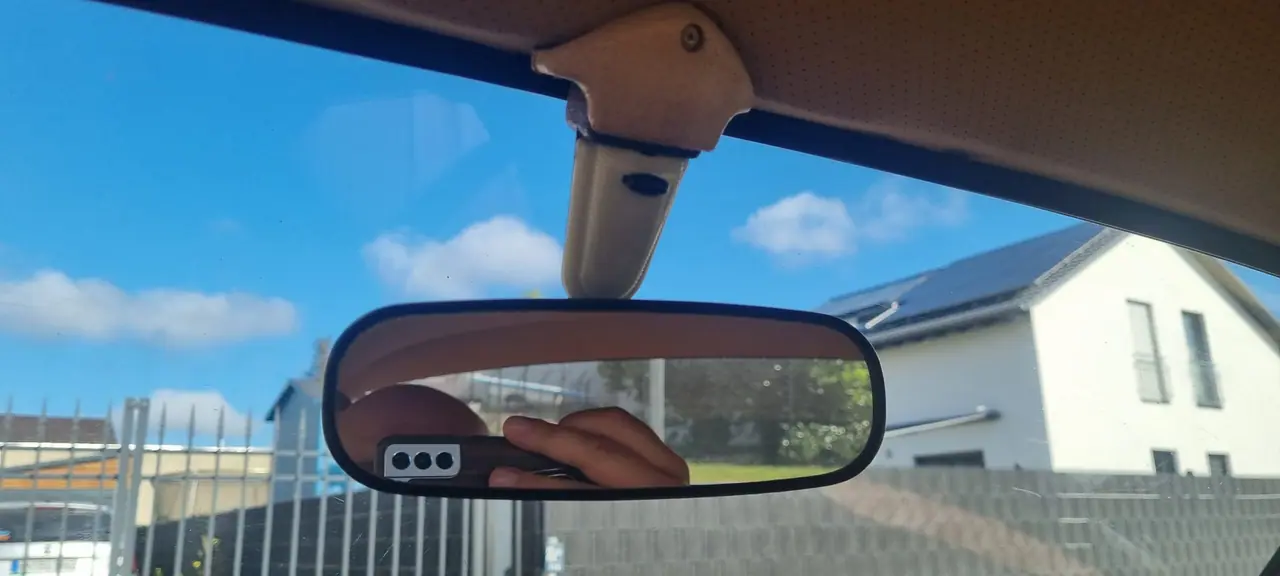
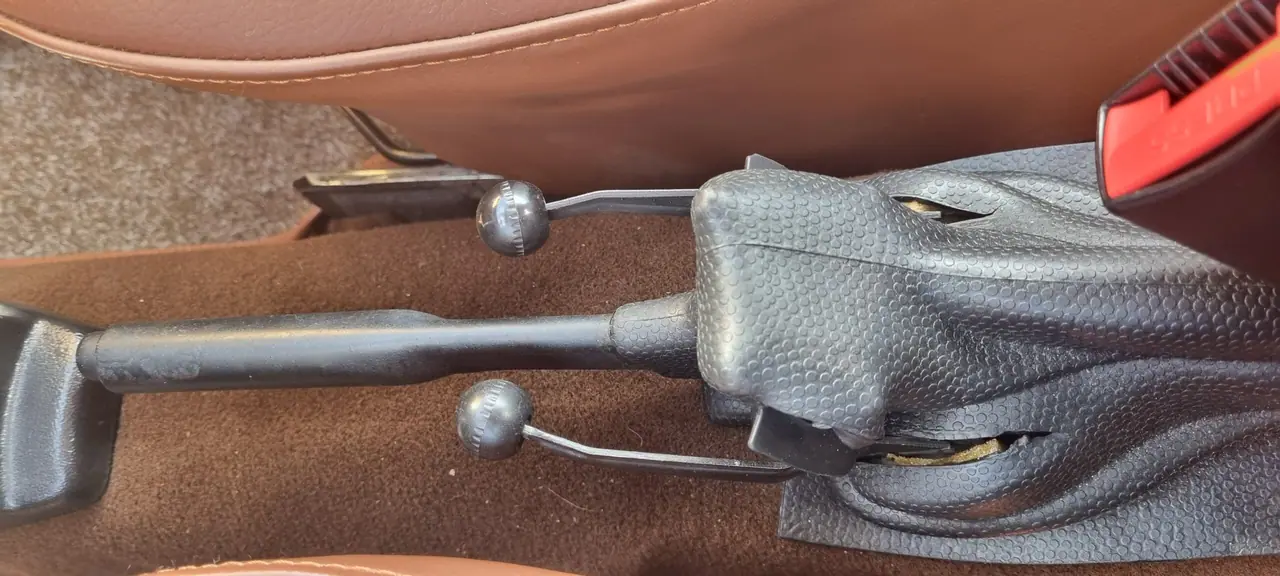
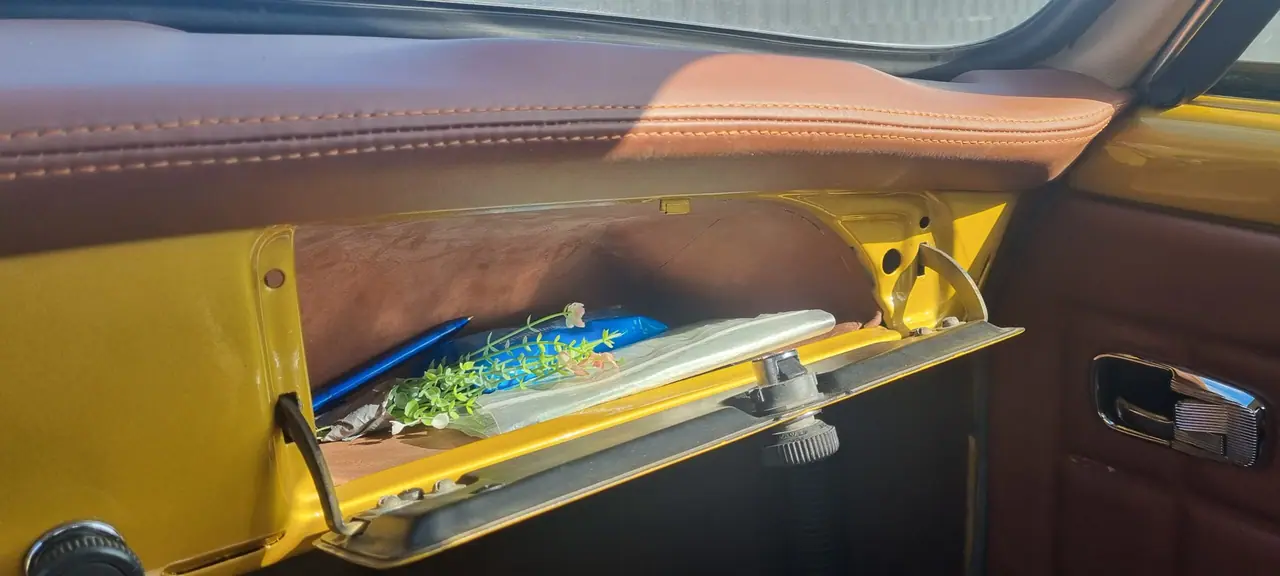
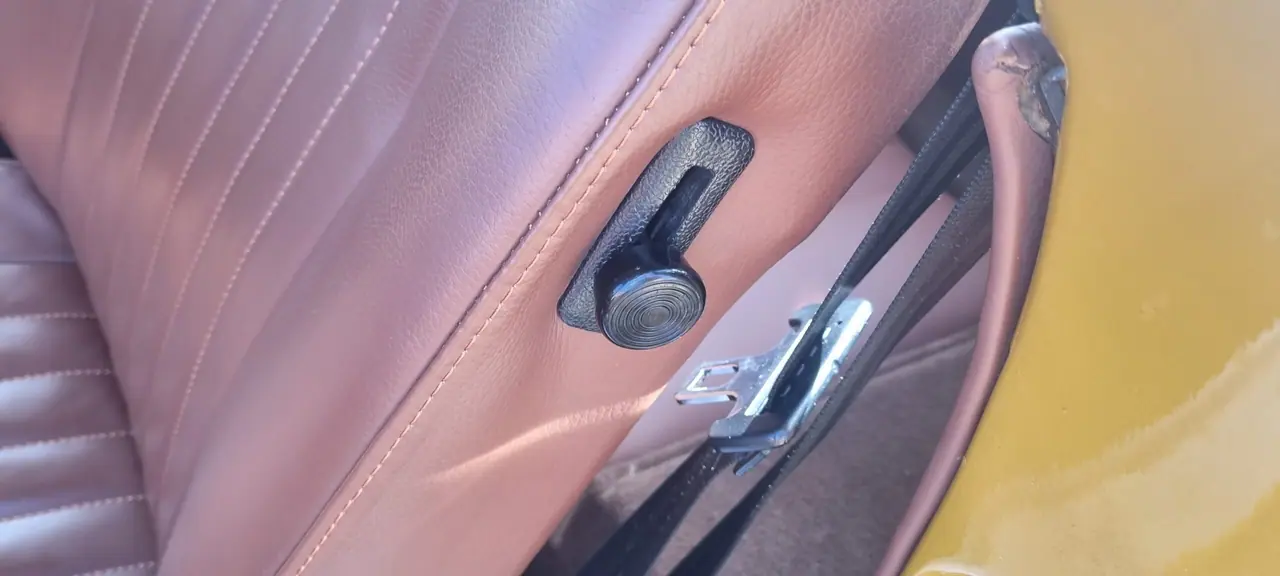
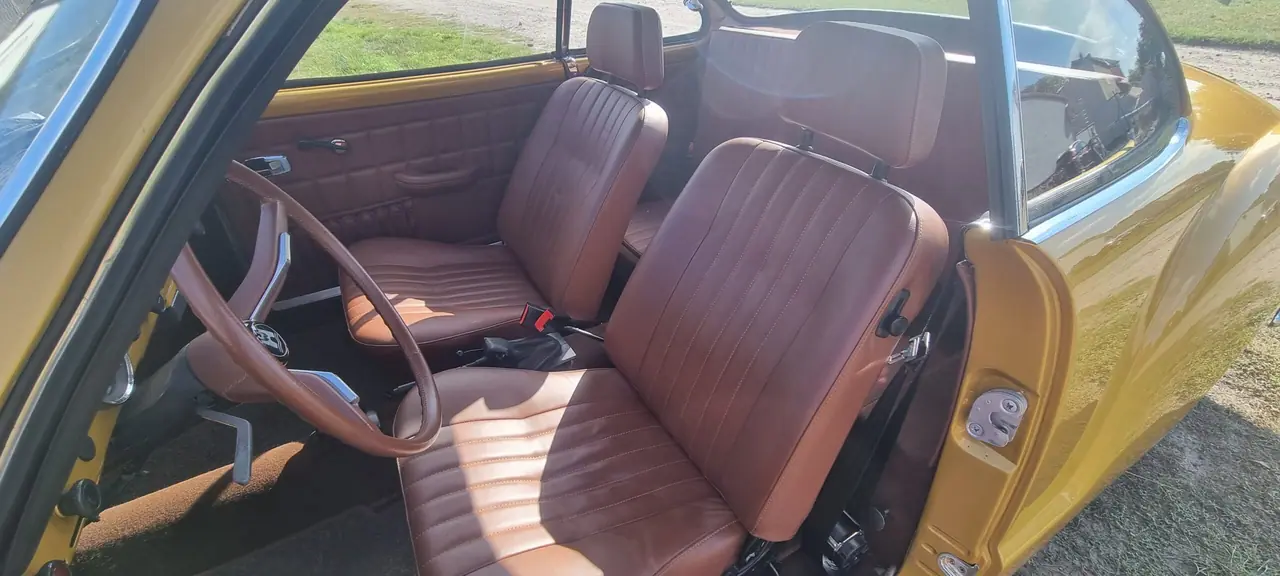
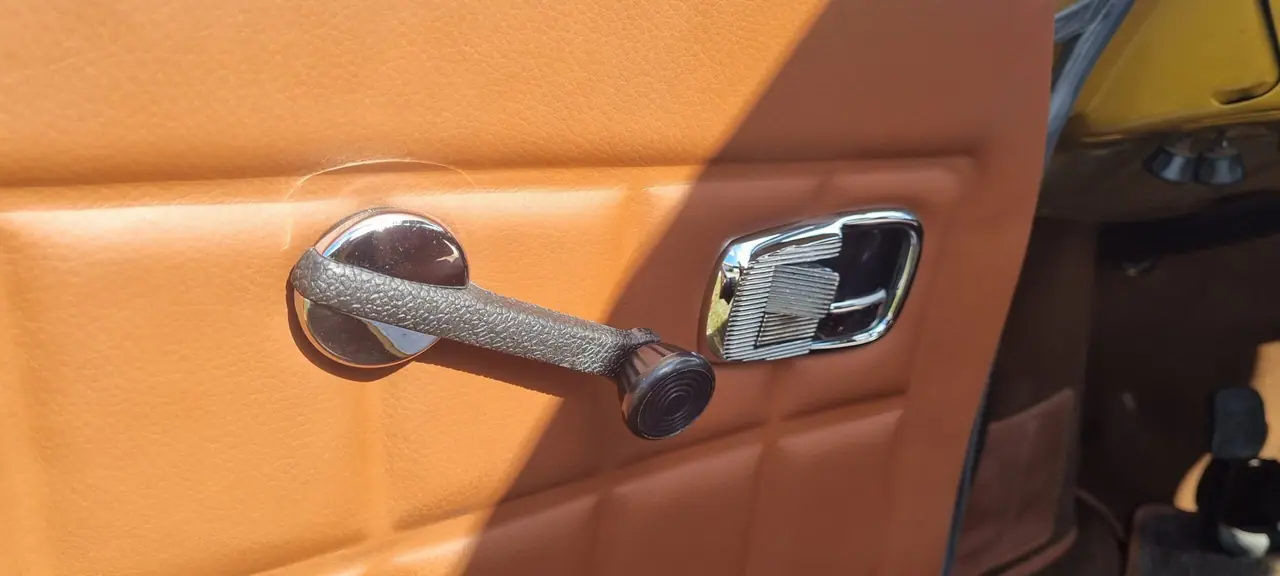
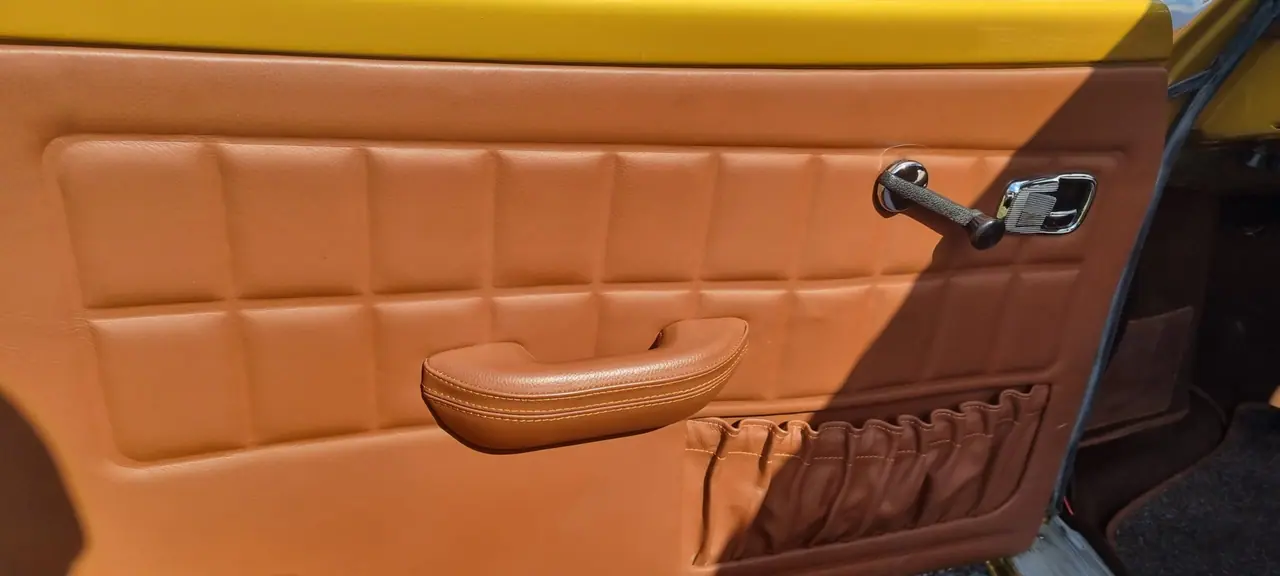
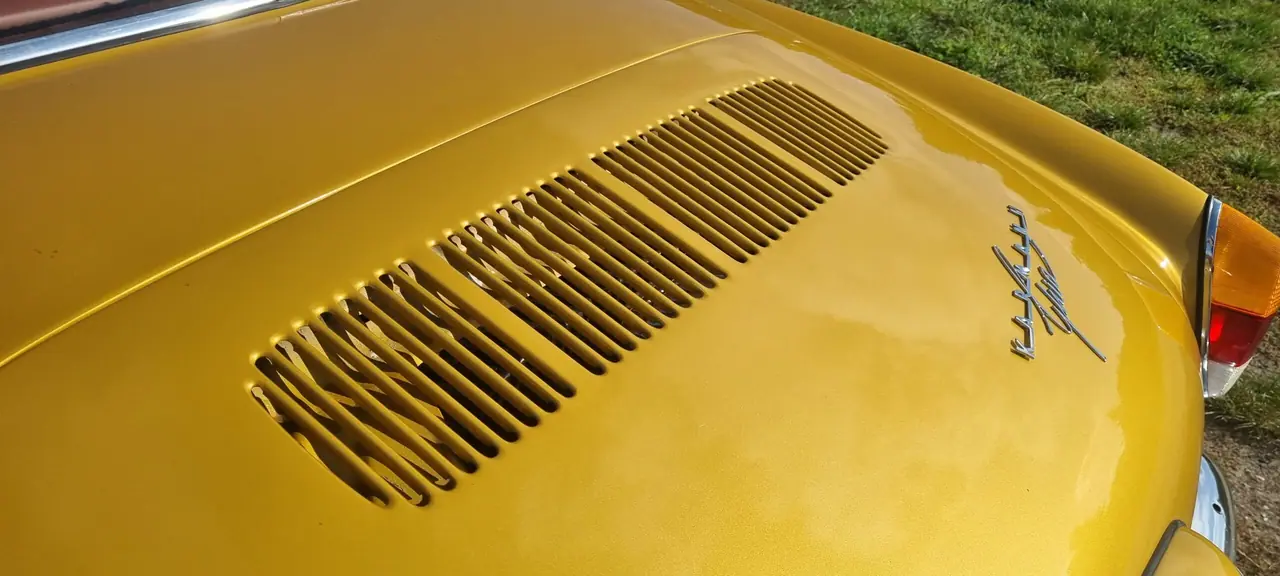
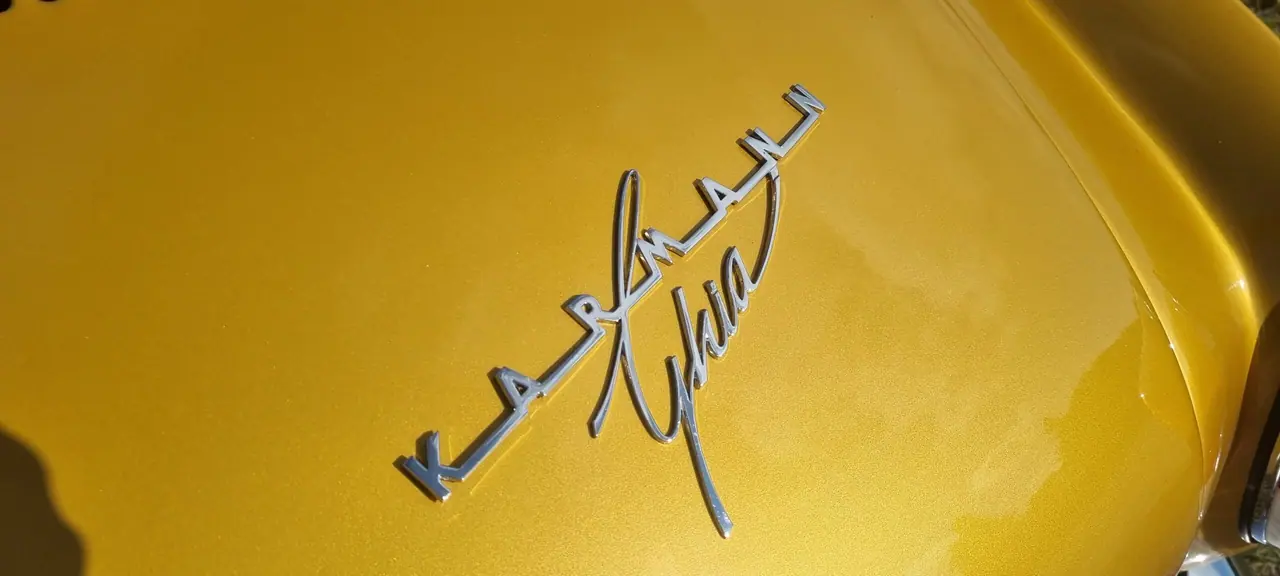
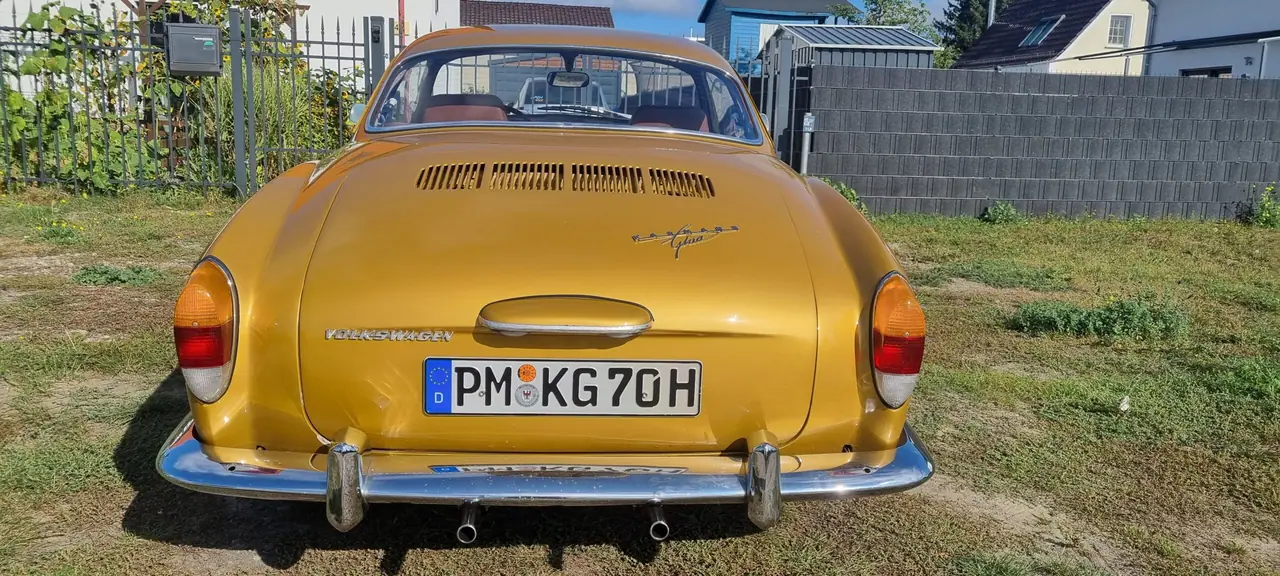
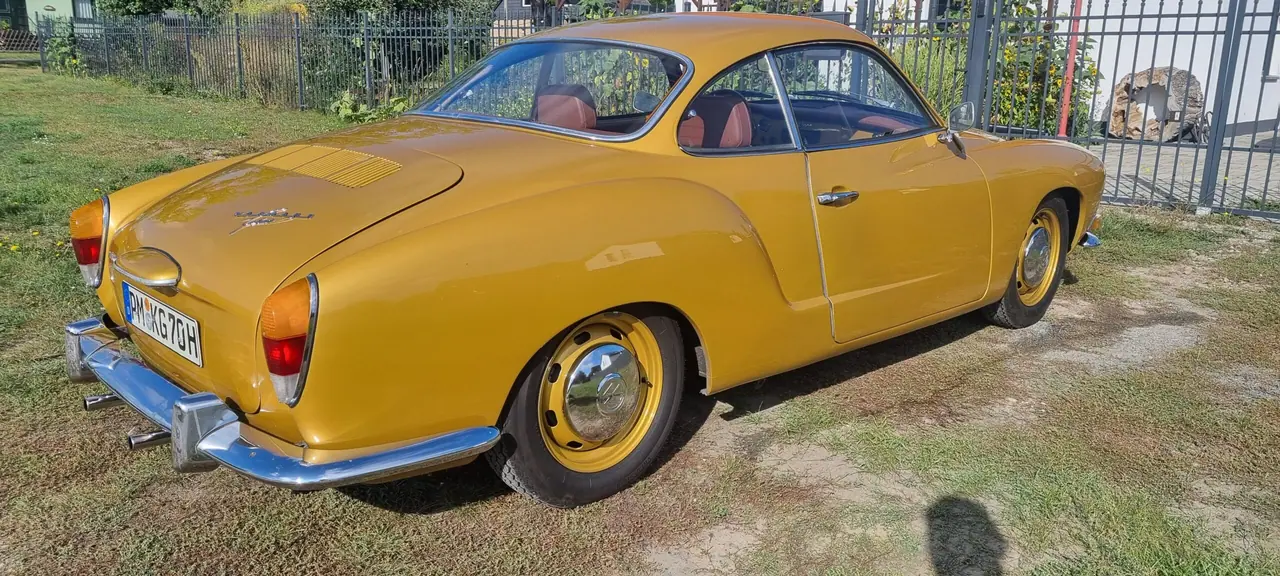
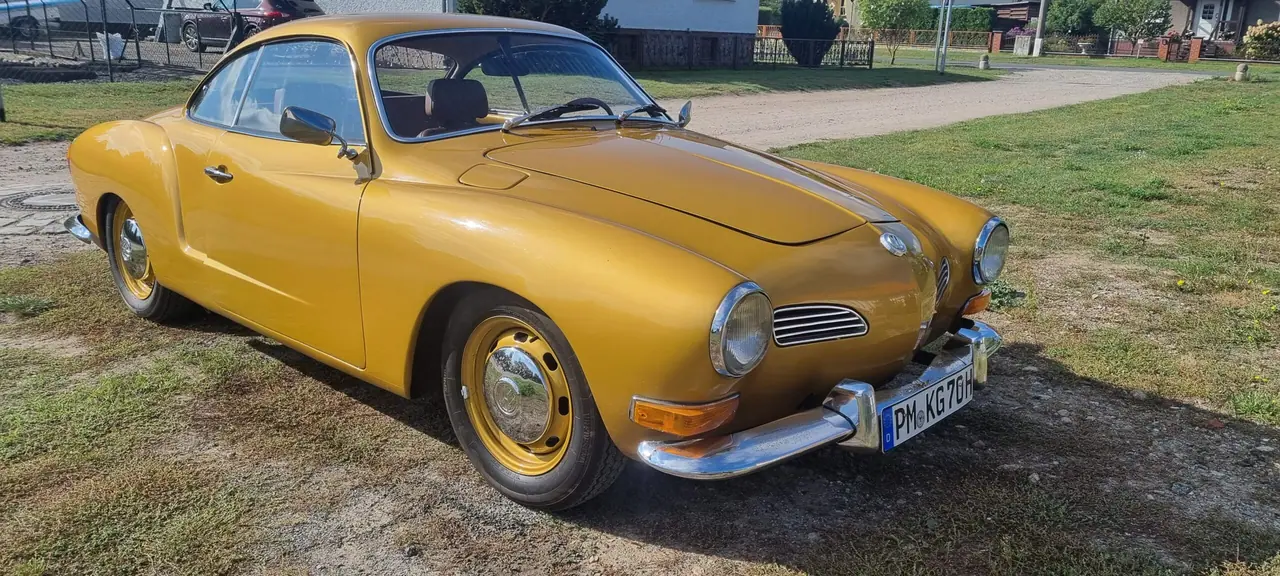
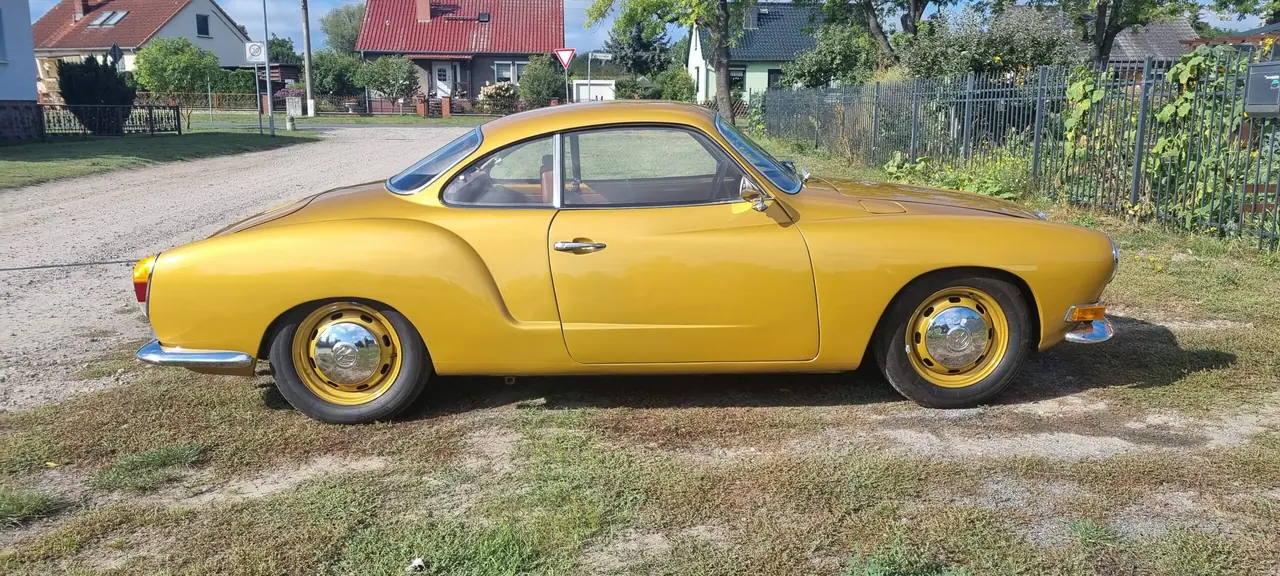
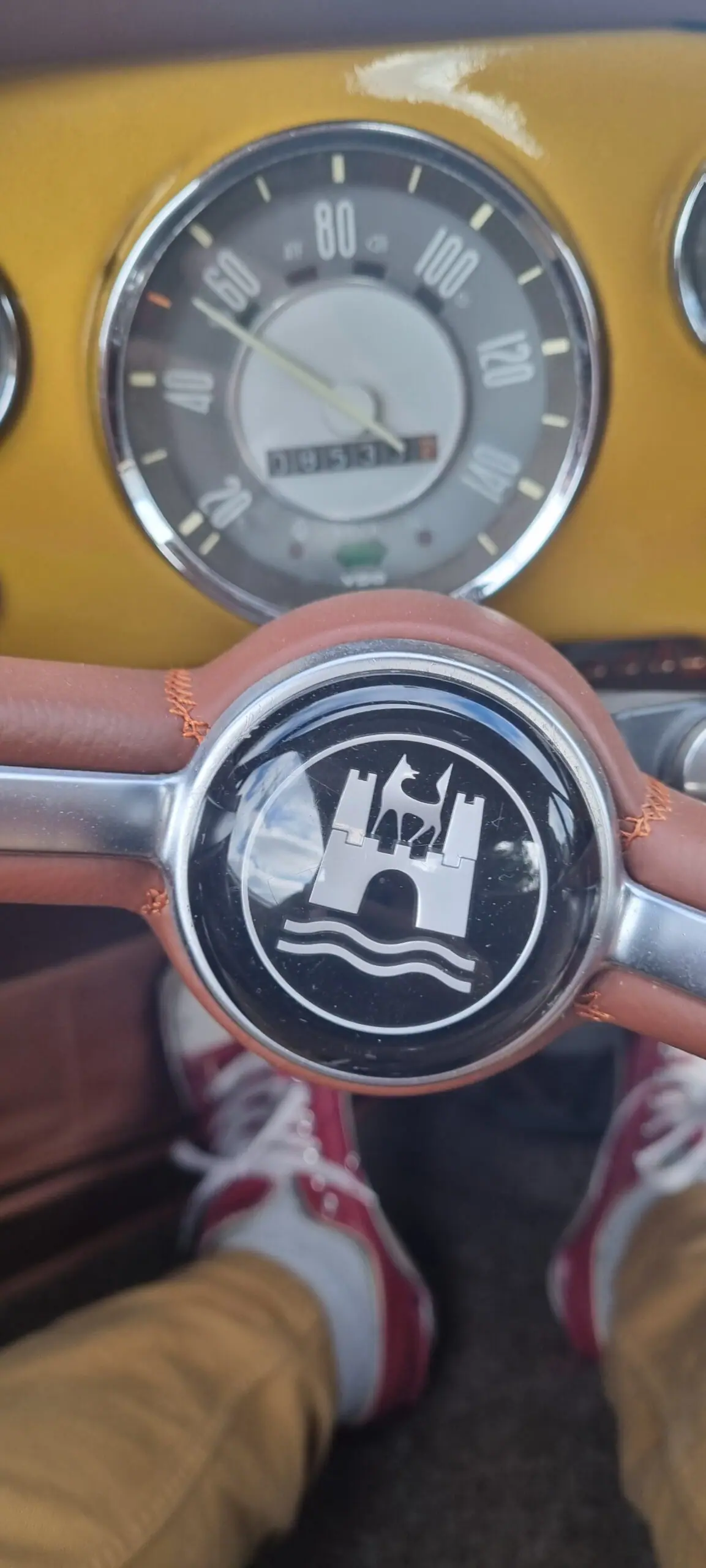
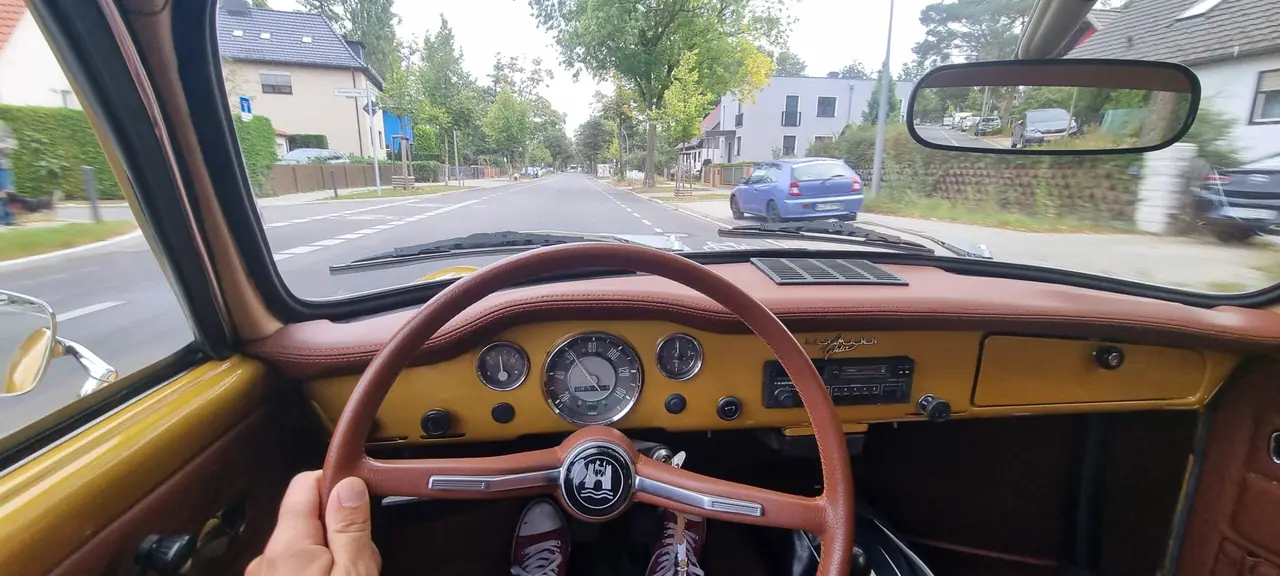
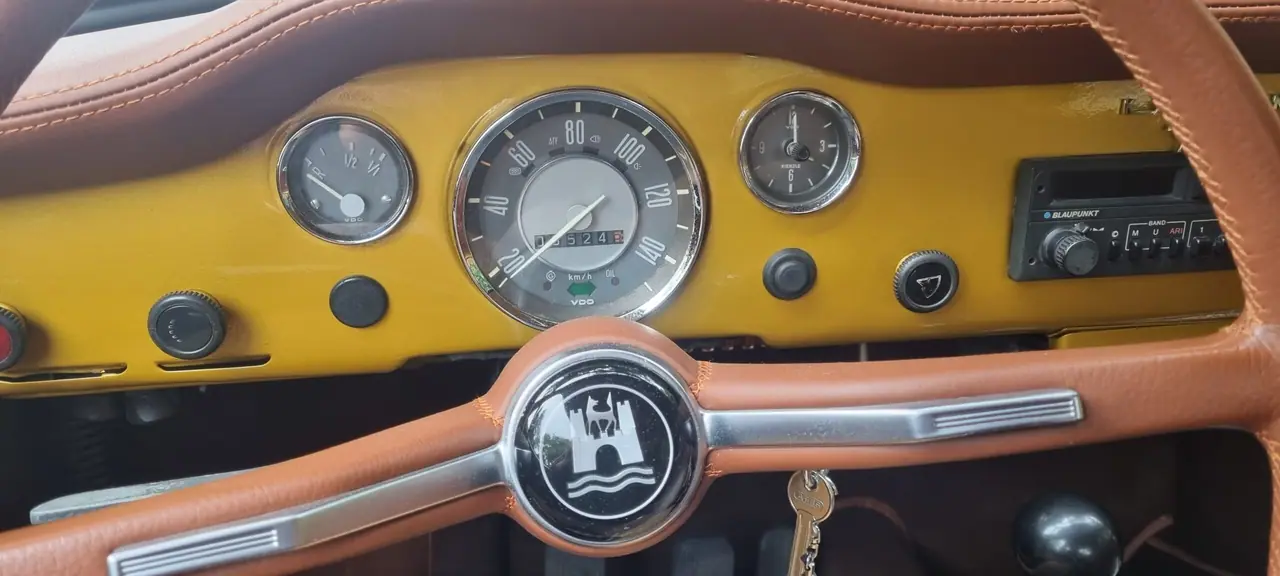
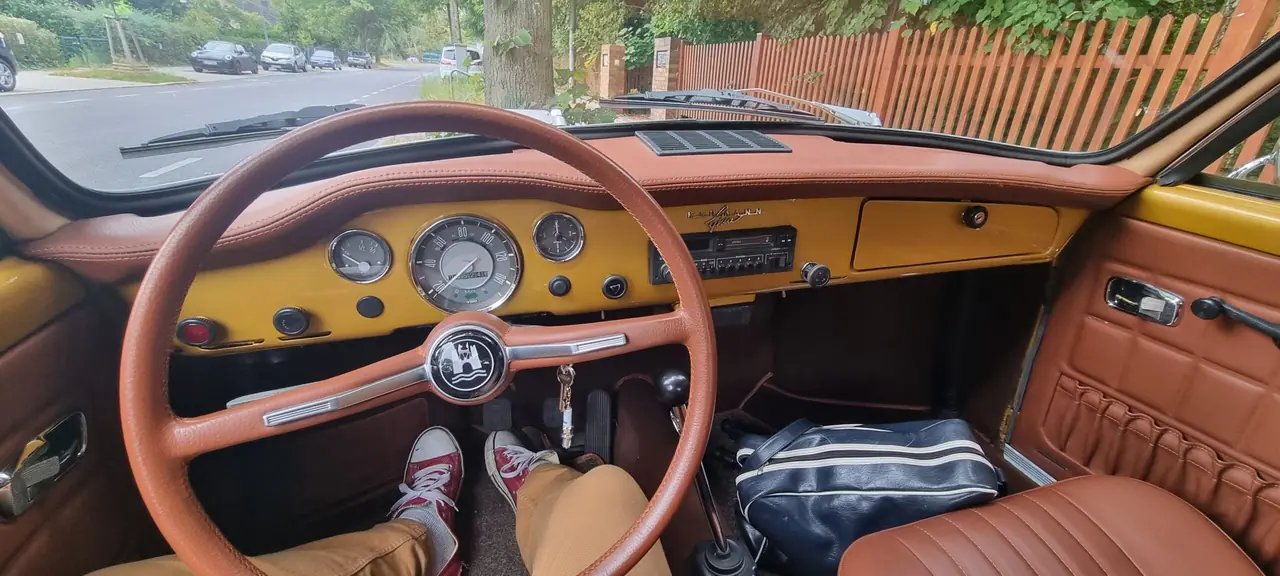
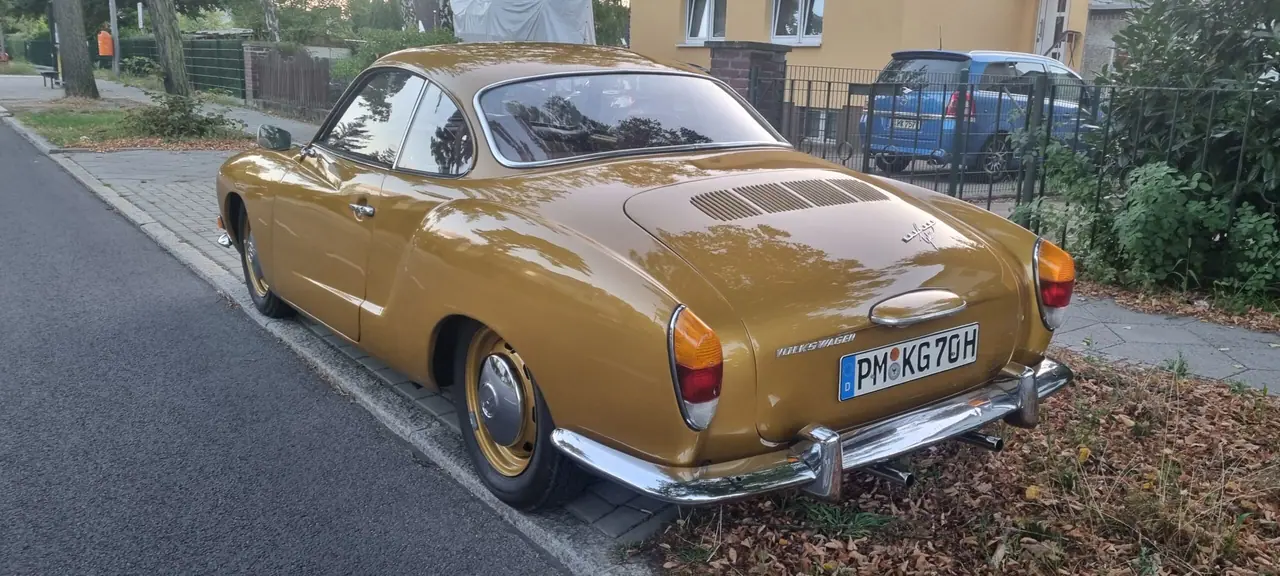
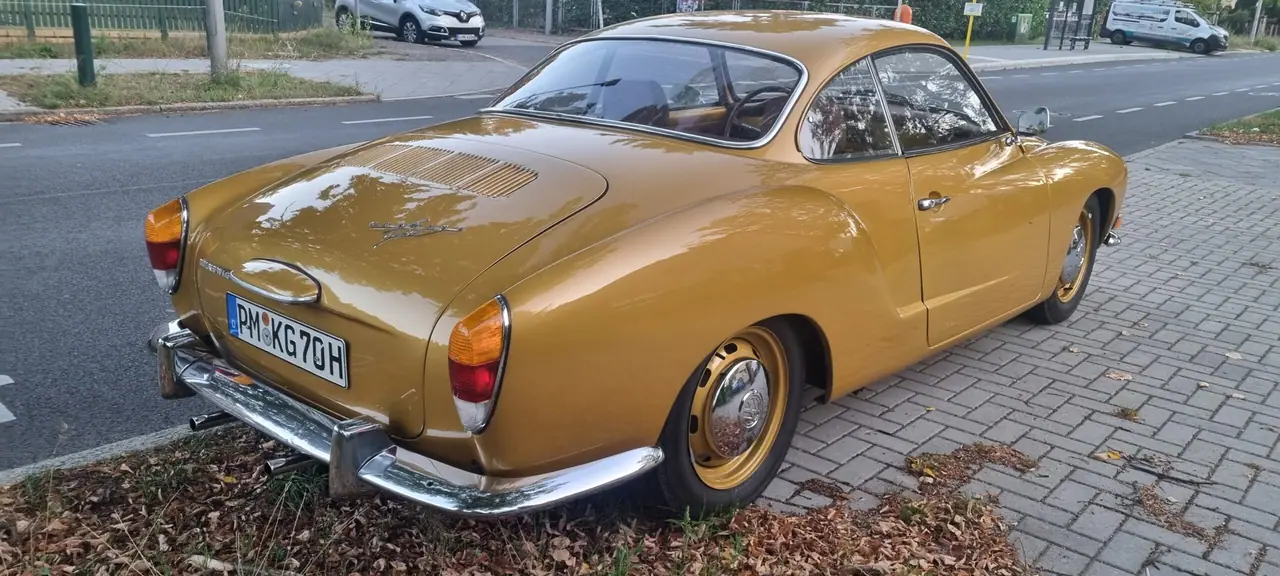
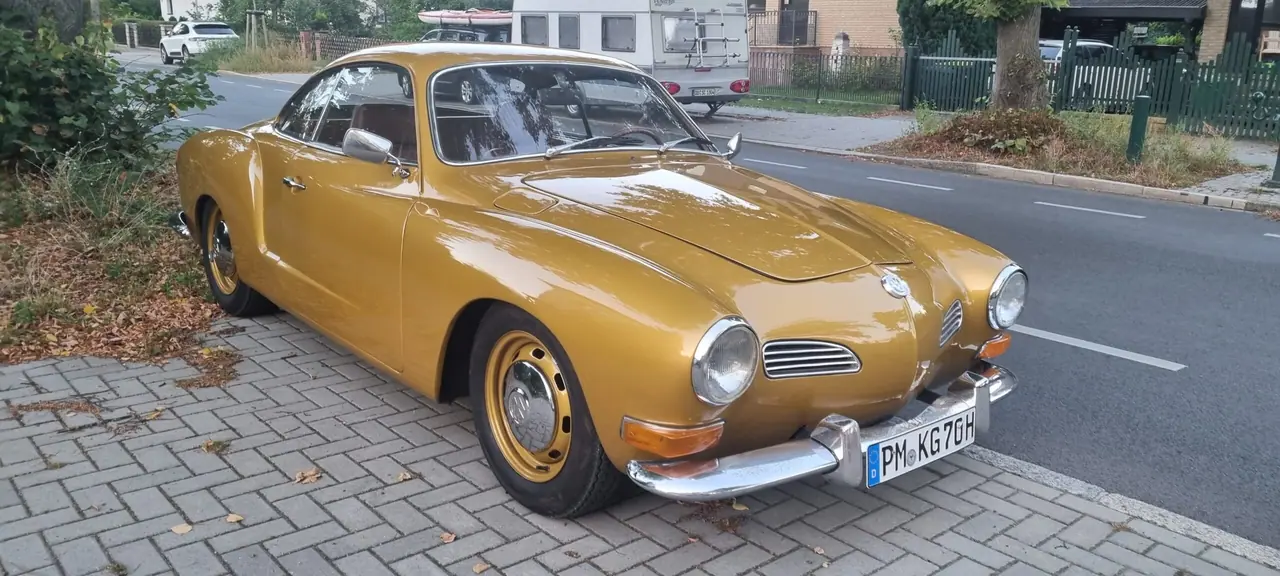
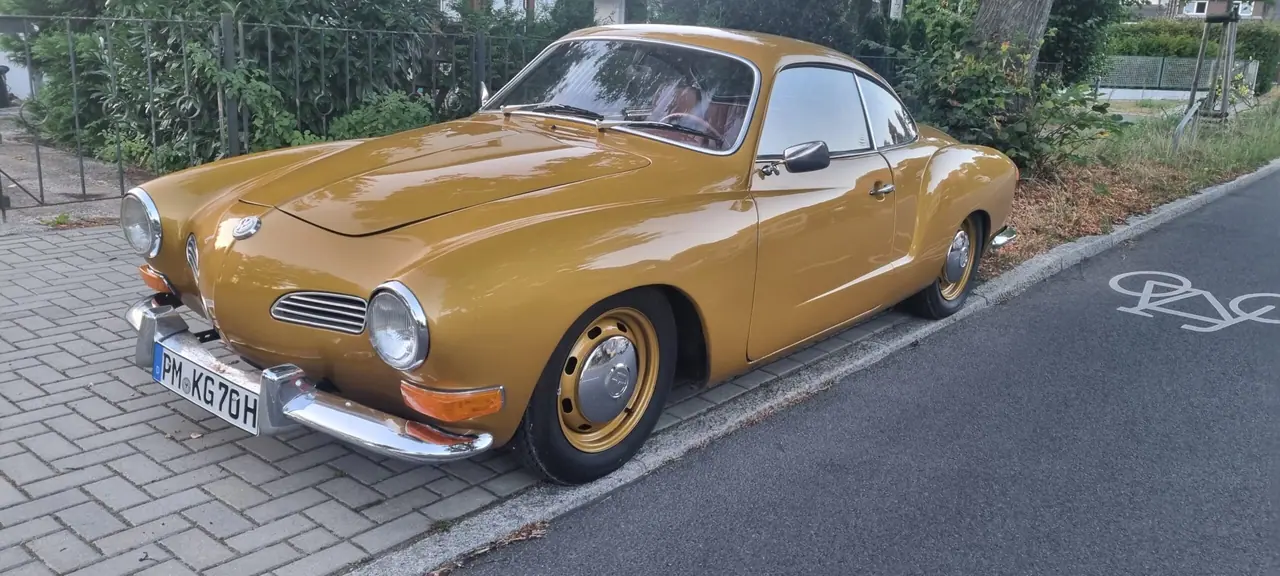
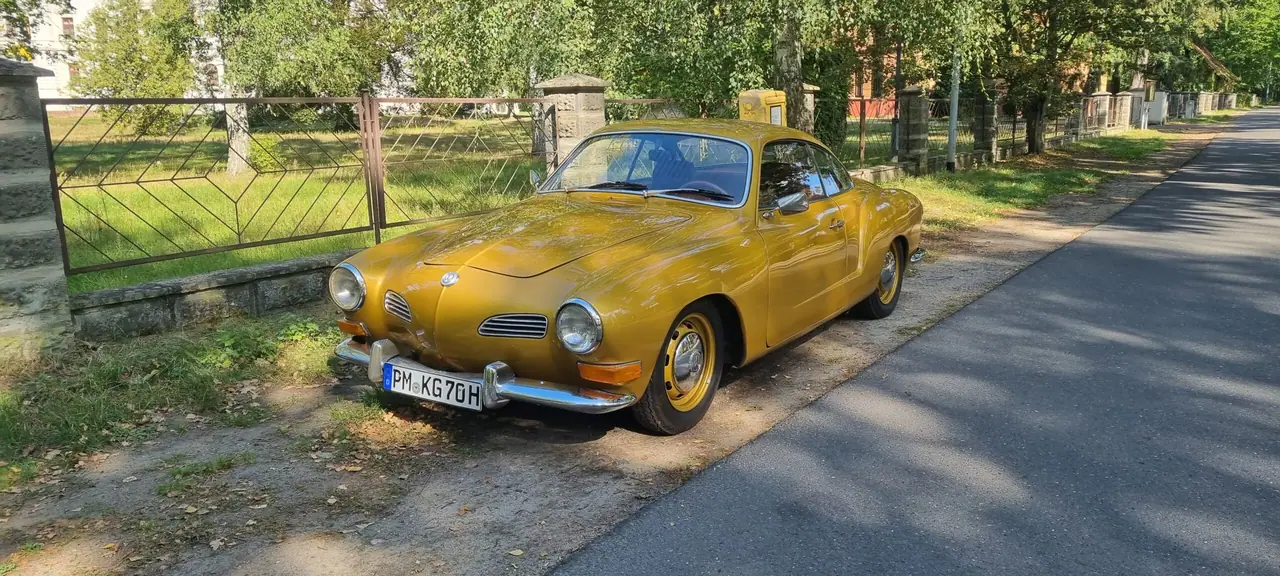
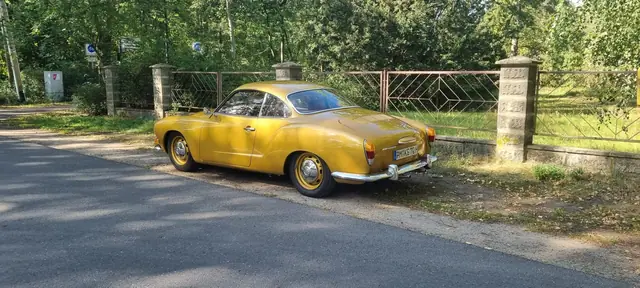
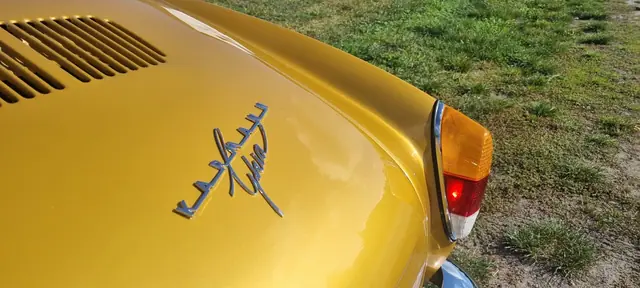
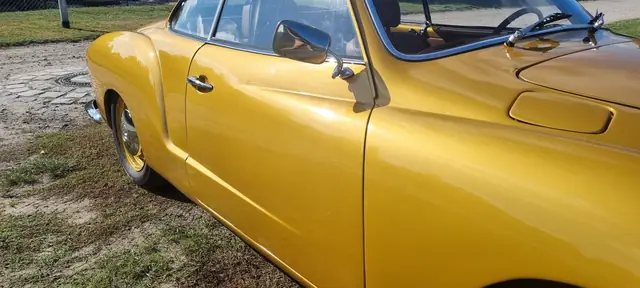
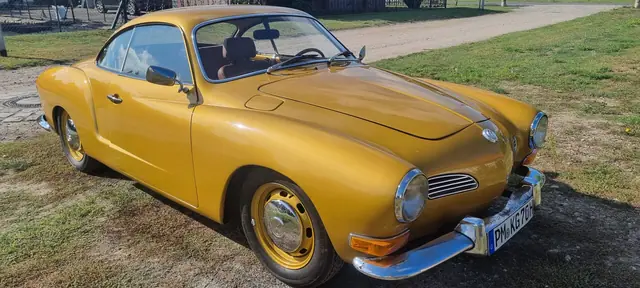
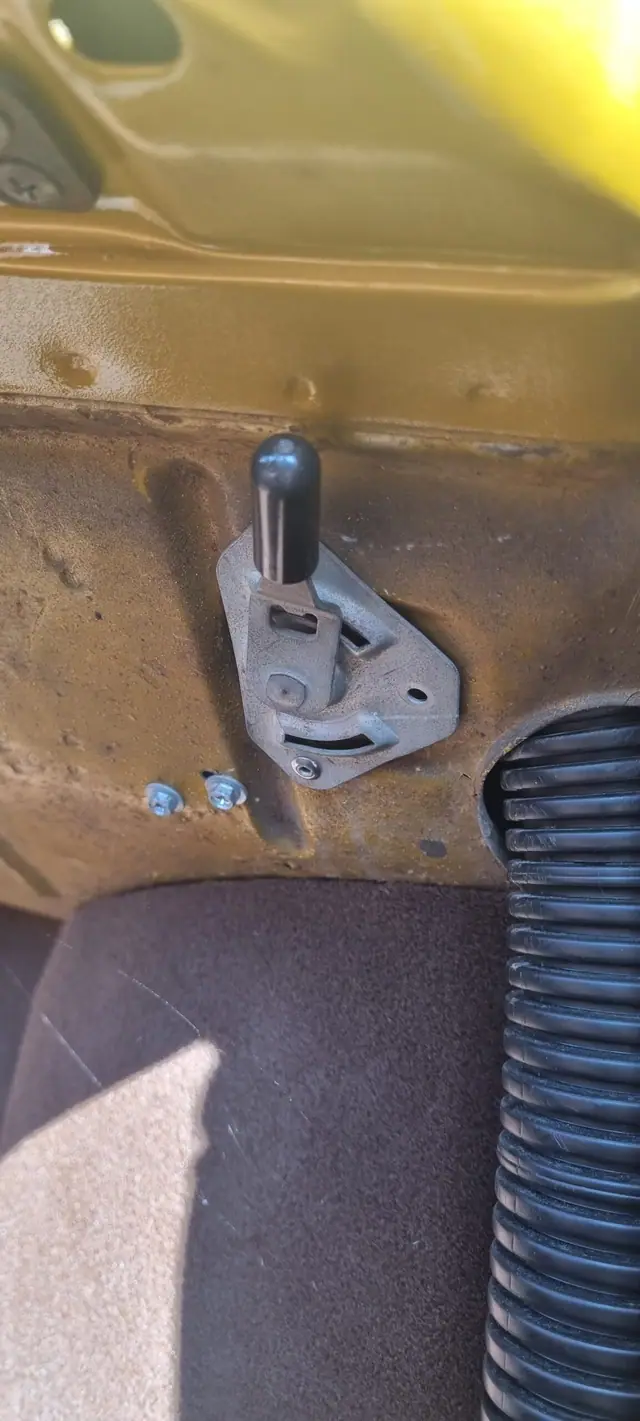
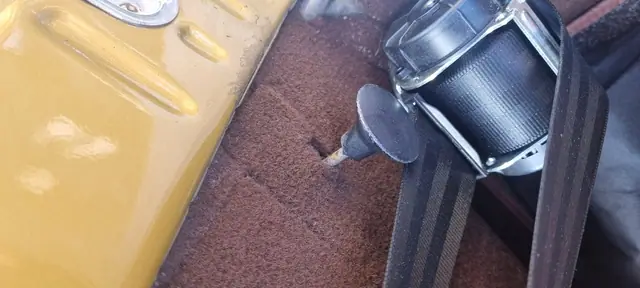
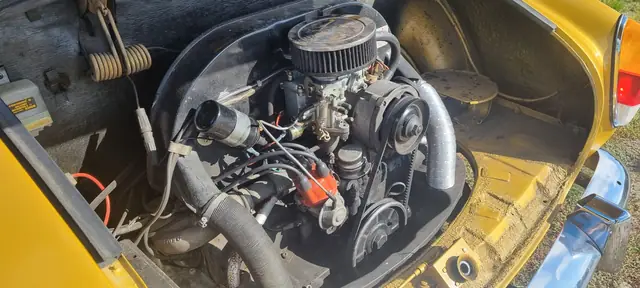
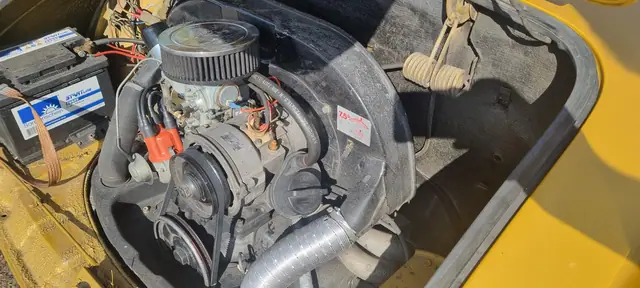
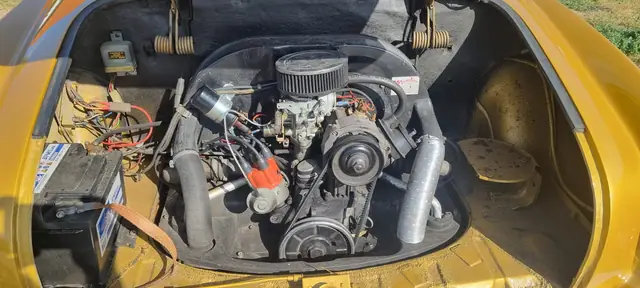
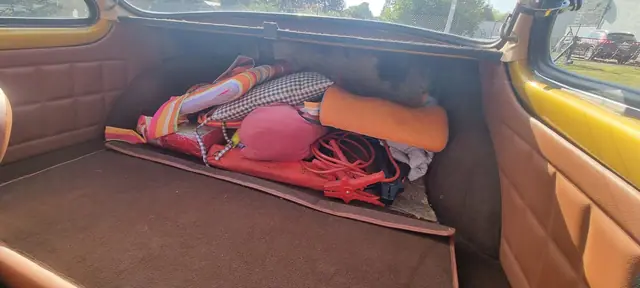
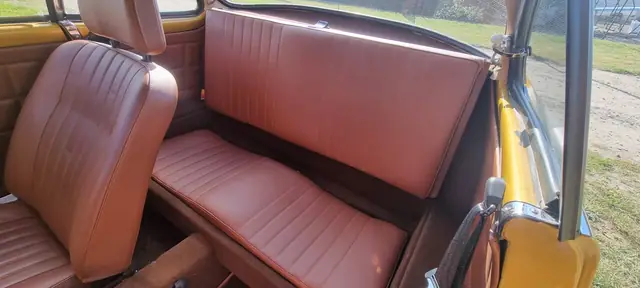
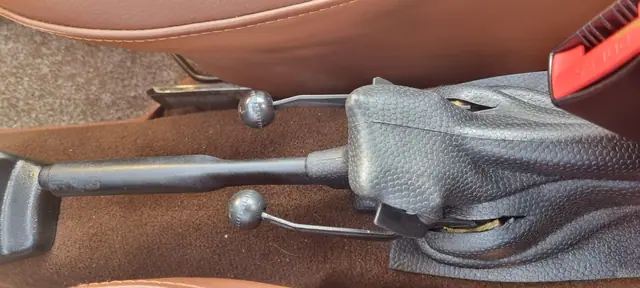
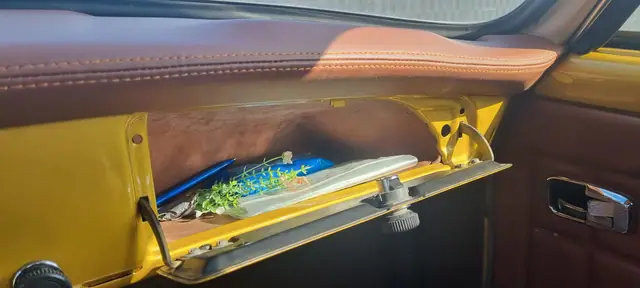
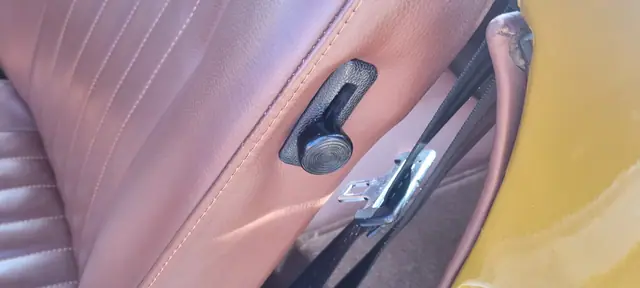
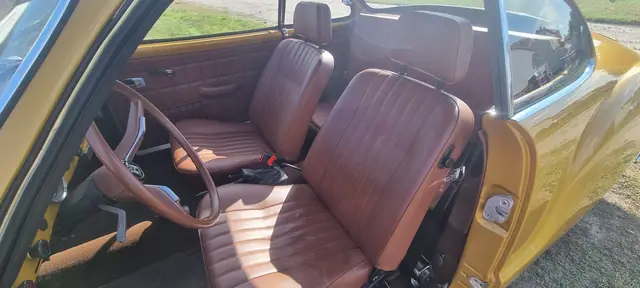
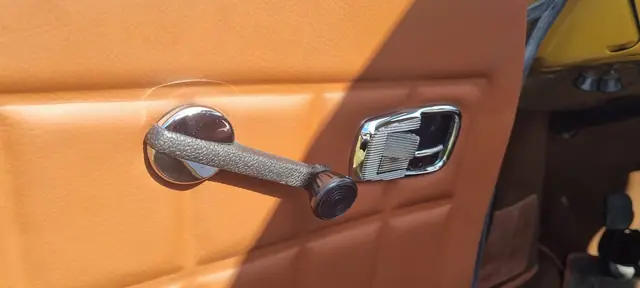
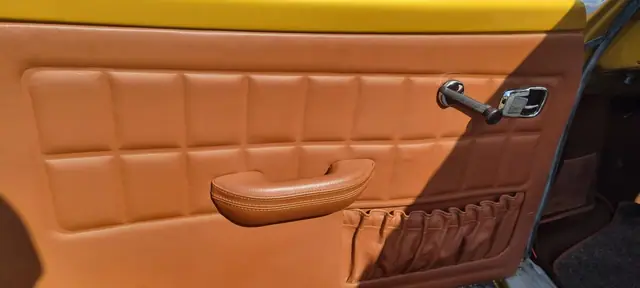
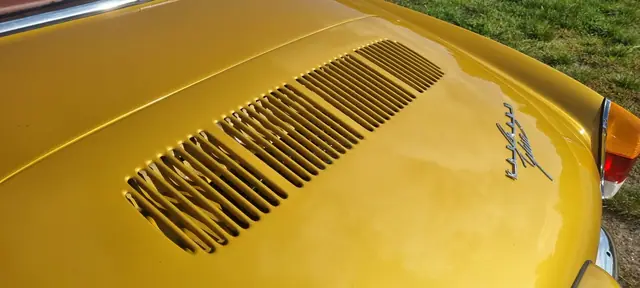
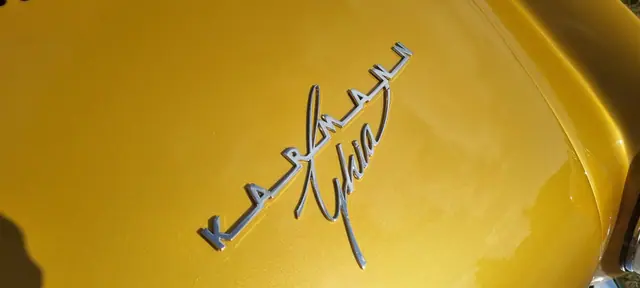
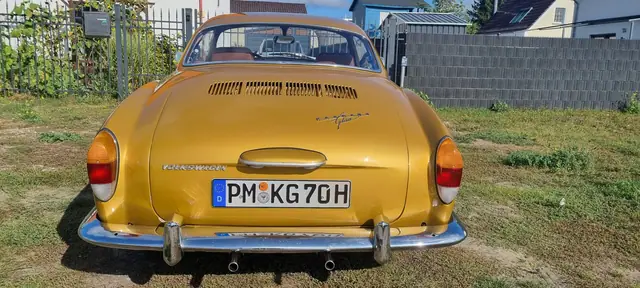
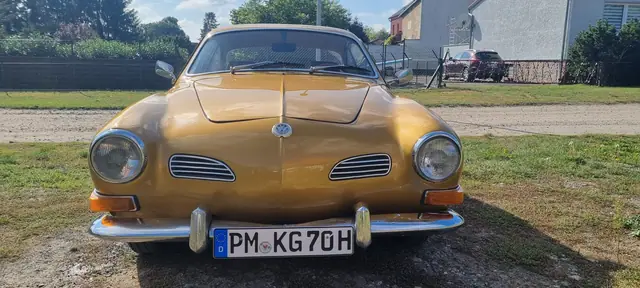
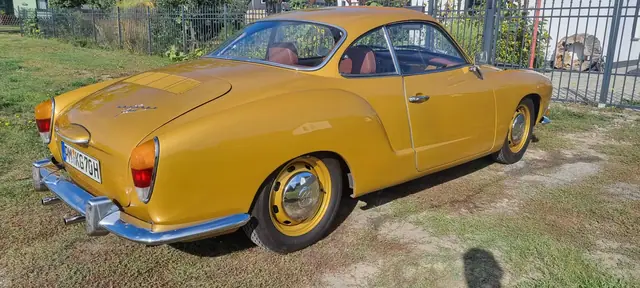
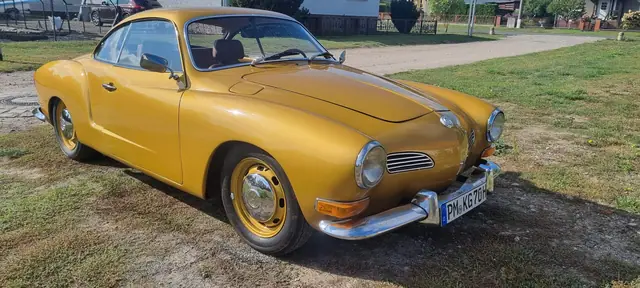
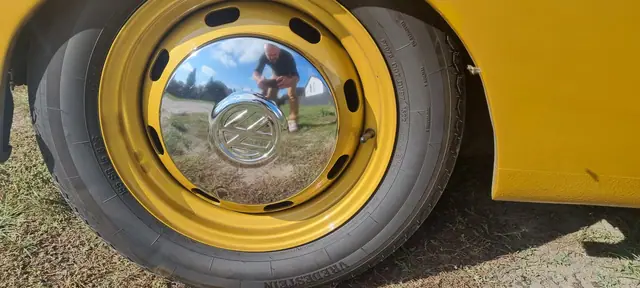
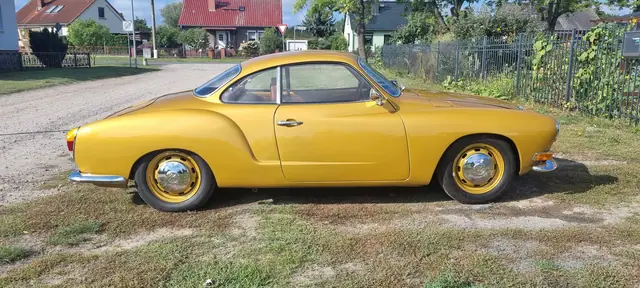
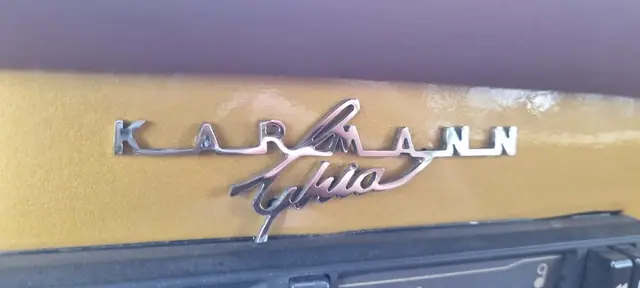
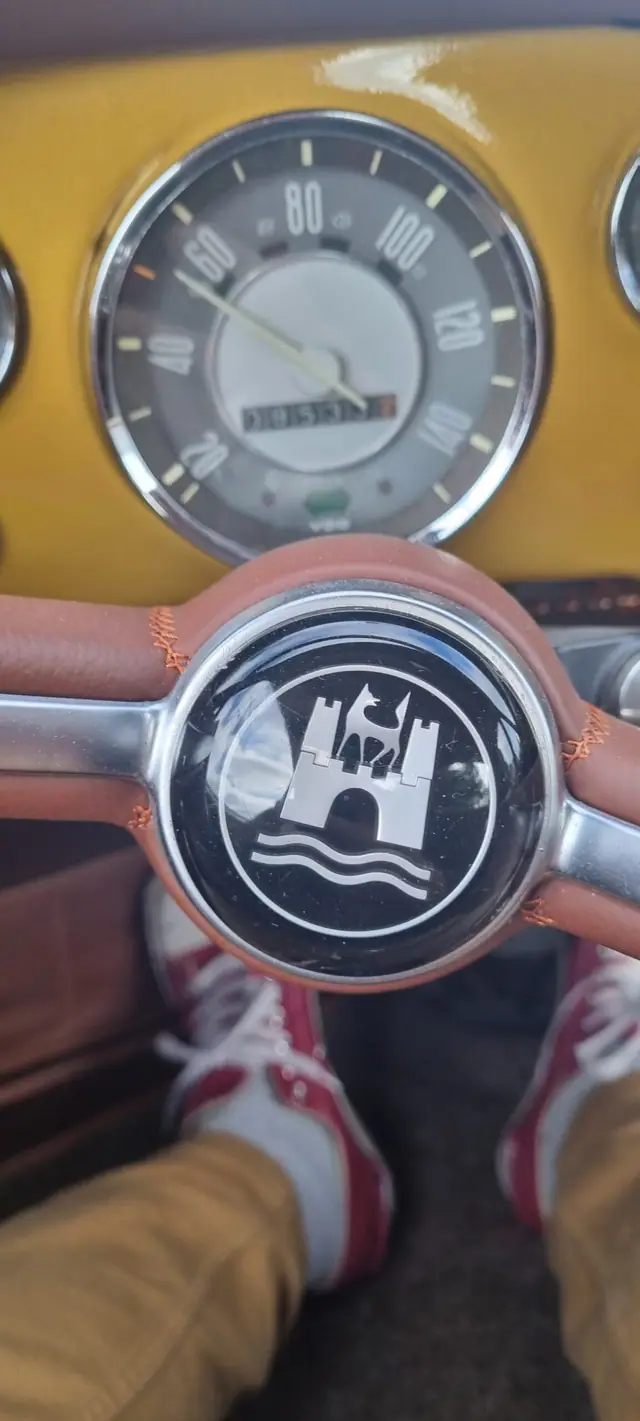
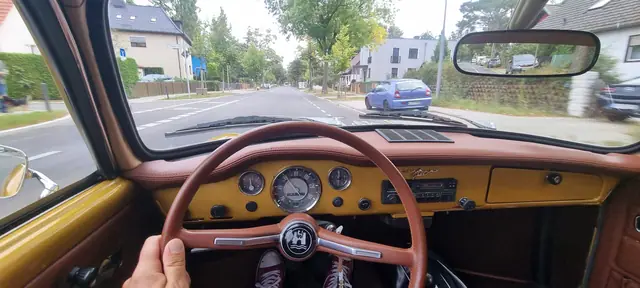
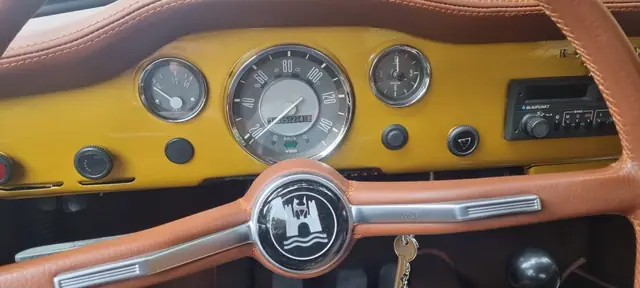
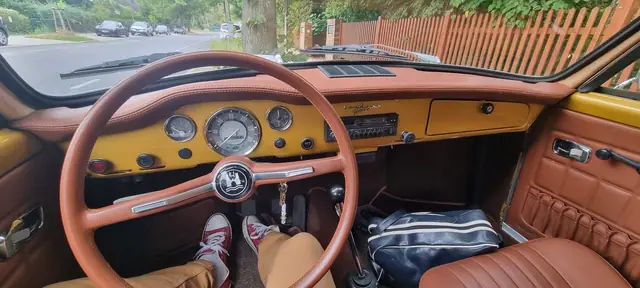
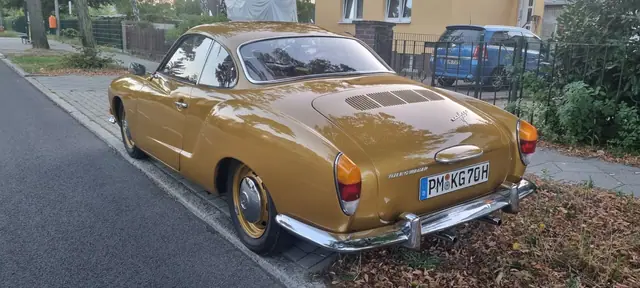
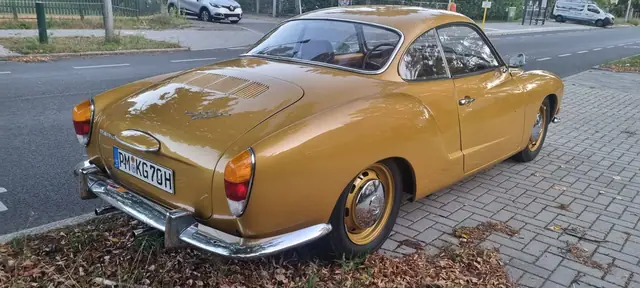
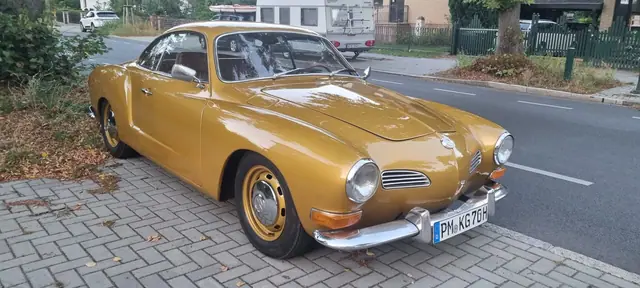
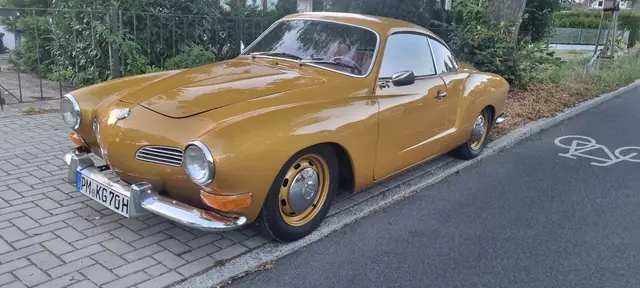
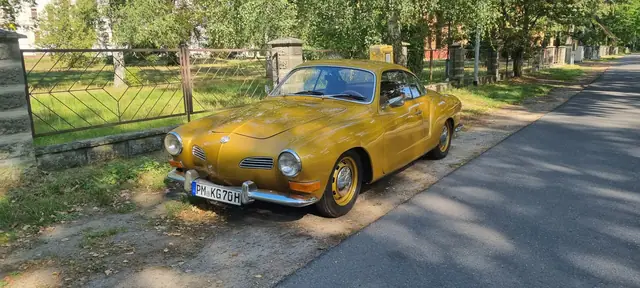
Karmann started building the Type 14 in Osnabrück on 11 August 1955, with a body styled by Luigi Segre at Ghia in Turin, on Beetle running gear (Auto Zeitung, Octane). It cost 7,500 Marks at launch, more than twice a Beetle. The cabriolet followed in 1957, and production ended in 1974, when the Scirocco took over; Octane puts total production at 444,300 (Heritage Parts Centre, Octane). Our photos show a yellow late coupé with the big rear lights, the heavy bumpers and the padded dashboard of the final years.
History and versions
- 1955–1959: the early "lowlight" cars with lower headlights; a 1959 facelift raised them by 50 mm (Hagerty).
- 1961: larger rear lights, an all-synchromesh gearbox and an optional Saxomat semi-automatic (Hagerty).
- 1965–1967: front ball joints instead of kingpins, then in 1967 a 1500 engine, front disc brakes, revised rear suspension and 12-volt electrics (Hagerty).
- From 1970: 1600 engine, larger rear lights and, from 1972, larger bumpers, driven by US regulations (Classic Trader, drives.today). A padded dashboard arrived in 1971 (Auto Zeitung).
- Type 34: the bigger "Razor Edge" Karmann Ghia on Type 3 mechanicals, built from 1961 to 1969, is a different car (Hagerty).
Engines and specs
| From | Power | Notes |
|---|---|---|
| 1955 | 30 PS | 1.2 flat-four from the Beetle |
| 1960 | 34 PS | |
| 1965 | 40 PS | |
| 1966 | 44 PS | |
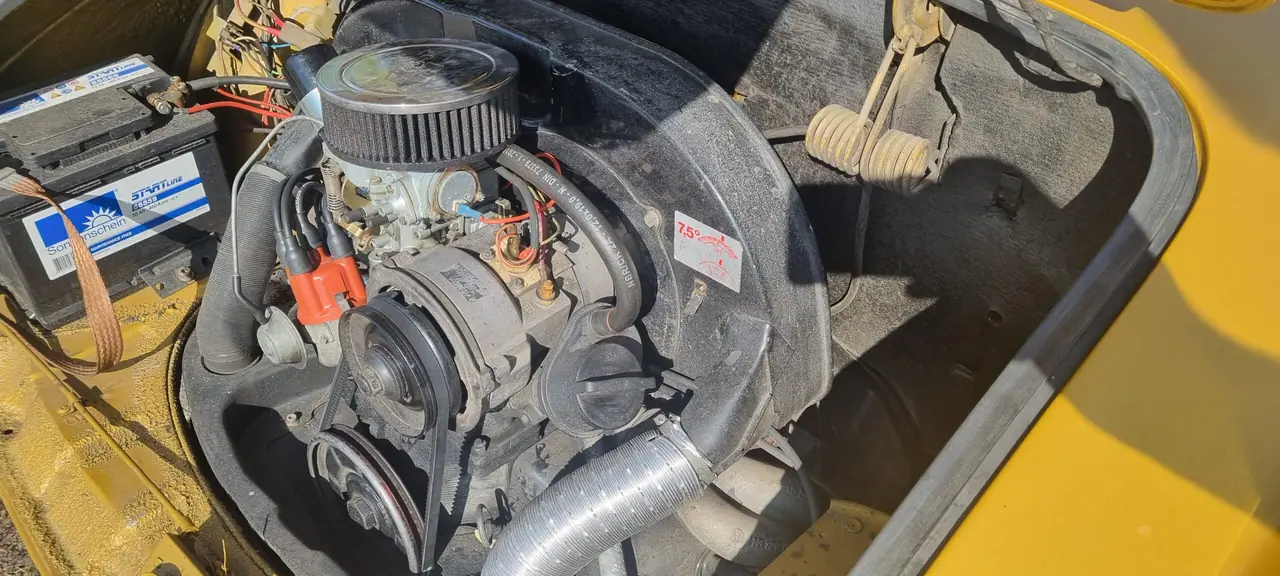
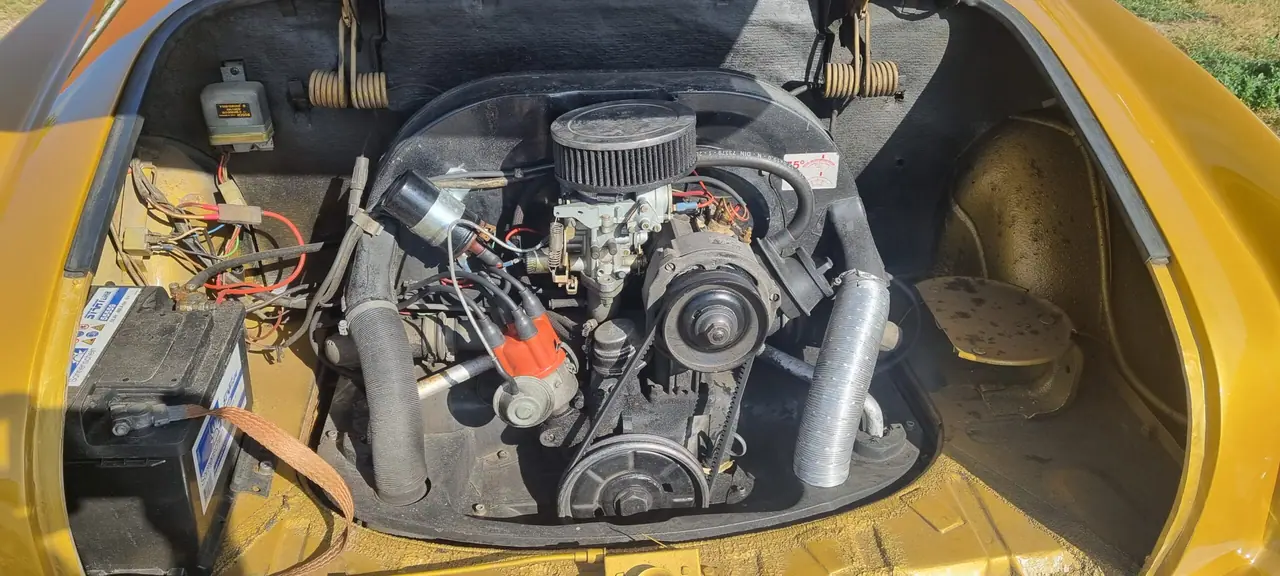
| 1969/70 | 50 PS, 106 Nm | 1.6 flat-four (1,584 cc), until 1974 |
Source: Auto Zeitung; Hagerty and Classic Trader date the 1600 to 1969 and 1970. The late 1600 weighs about 870 kg, needs about 21 seconds to 100 km/h, reaches 145 km/h and uses about 11.5 l/100 km (Auto Zeitung). All have a four-speed manual and rear-wheel drive.
Living with it
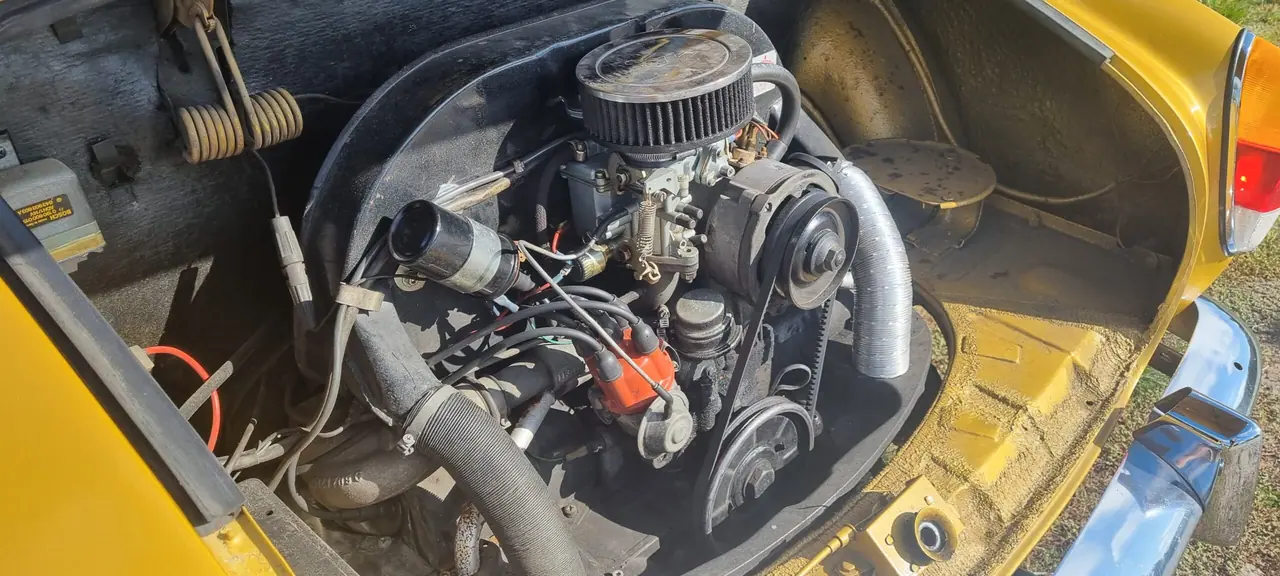
The Karmann Ghia looks fast but drives like a well-dressed Beetle. The good news is that the mechanicals are almost all Beetle, so many parts are reasonably priced and easy to find (Auto Zeitung, Hagerty). Hagerty recommends changing the oil and checking the valve clearances every 3,000 miles. Later cars with 12-volt electrics and front disc brakes are easier to live with. A cabriolet is a strict two-seater.
Rust and weak points
- Inner sills and heater channels: the most critical area. They double as heater ducts, most cars have had rust there, and it spreads from the inside out (Auto Zeitung). On cabriolets the sills carry much of the structure (Hagerty).
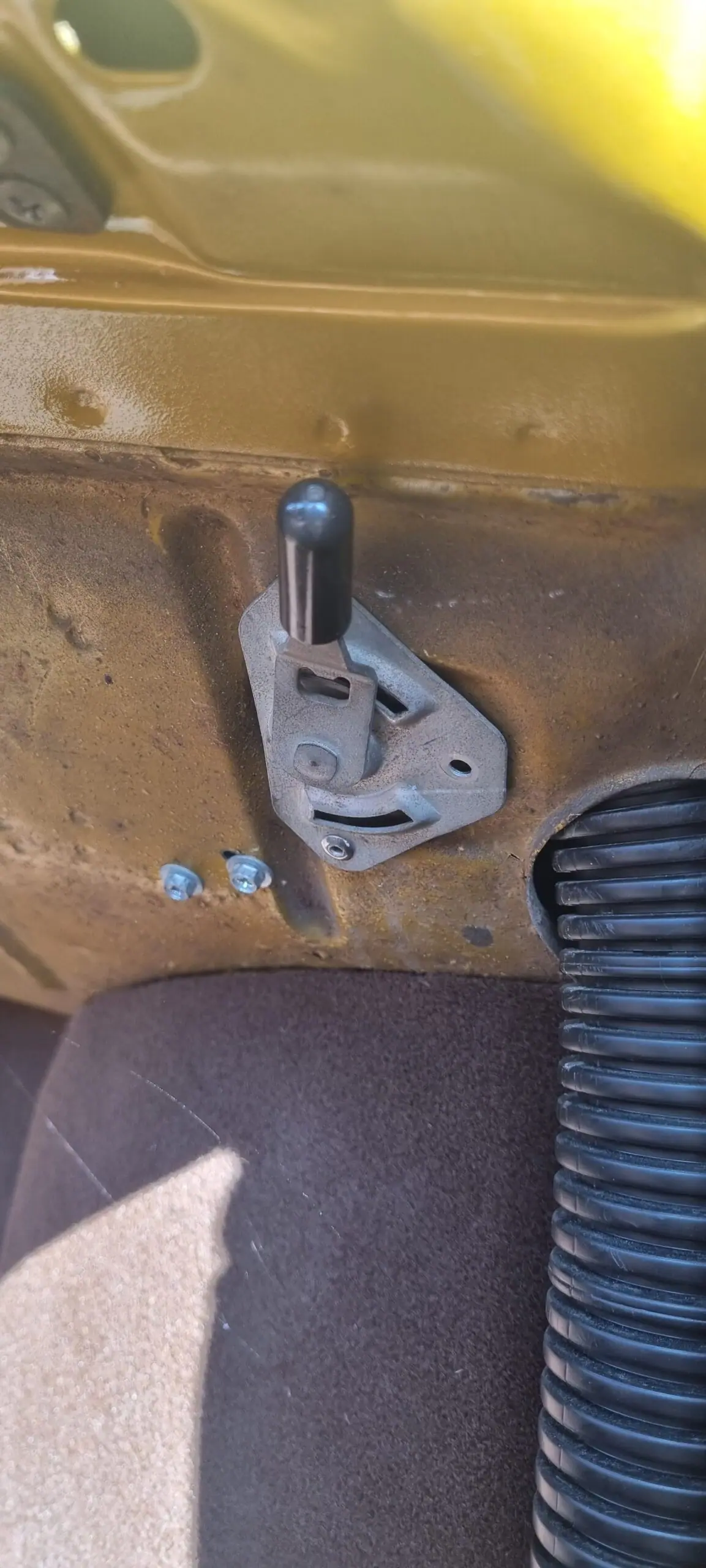
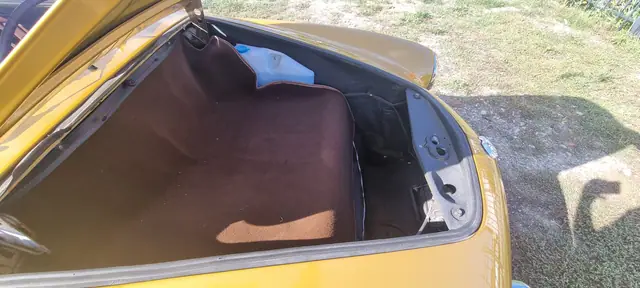
- Front end: dirt and moisture collect behind the front wheel-arch bulkhead, and rust can spread unseen behind the front wings (Auto Zeitung). Check the front boot for rot and battery-acid damage (Hagerty).
- Elsewhere: A-pillars, door bottoms, floors, wheel arches and the windscreen surround (Auto Zeitung, Hagerty).
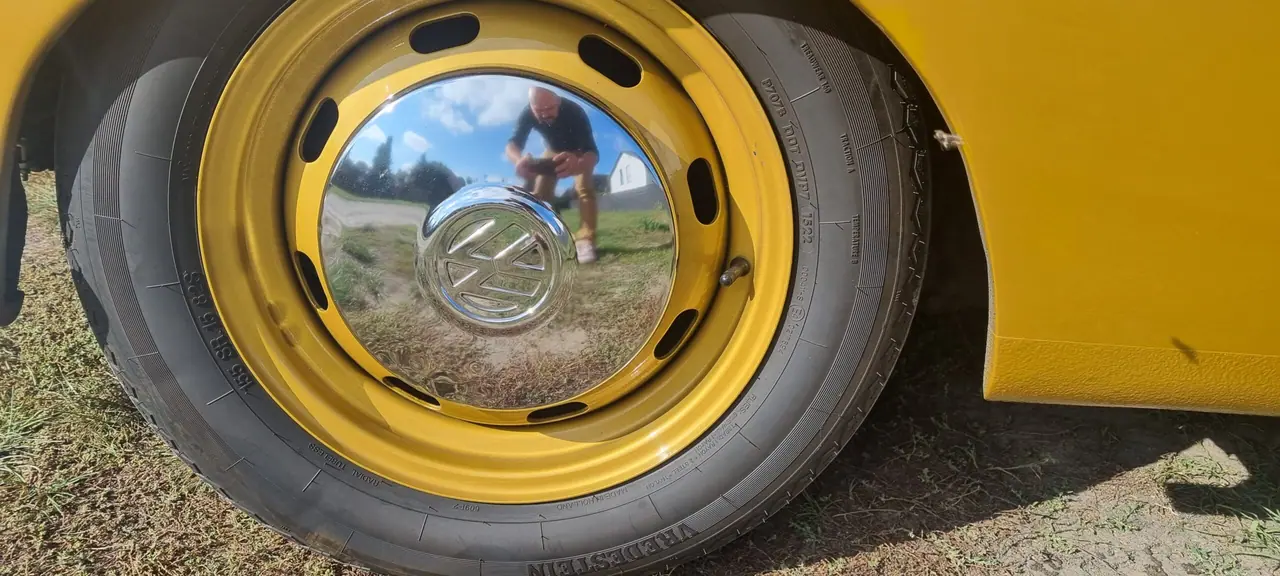
- Repairs: the fully welded body makes panel replacement difficult and expensive, and body panels are scarce (Auto Zeitung). Original sill covers come in three parts with a round cover at the rear; cheap one-piece copies point to a budget repair.
- Engine: play in the bottom pulley suggests a rebuild is near, and more than a puff of smoke on a cold start means worn rings; corroded heat exchangers can let fumes into the cabin (Hagerty).
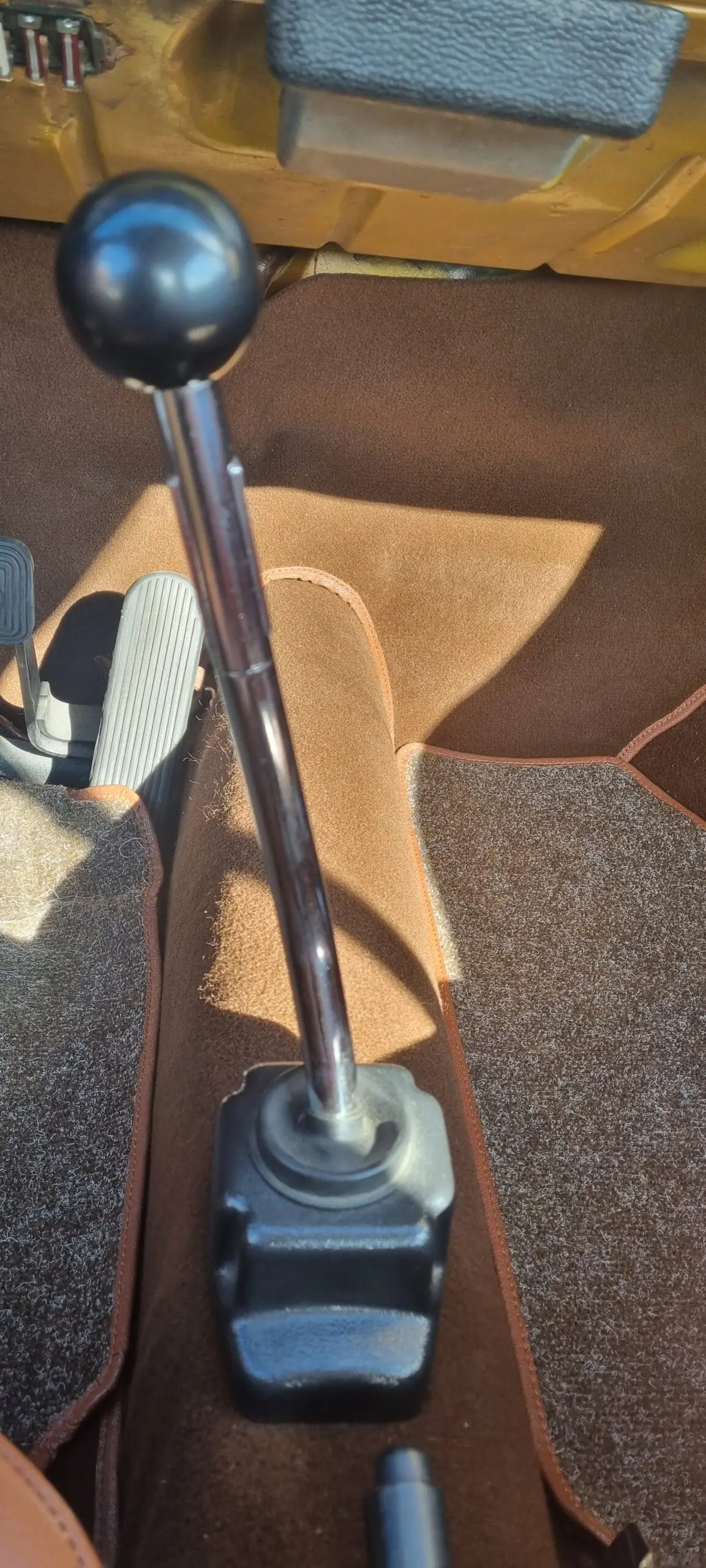
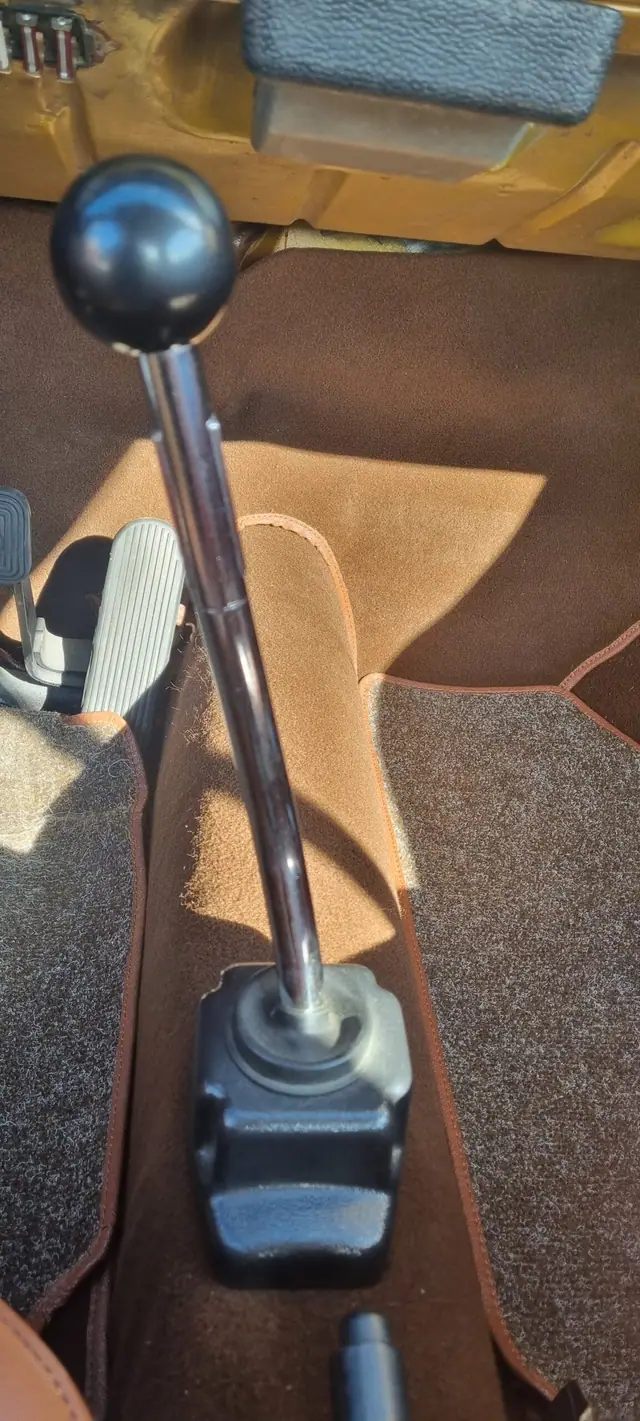
- Gearbox and suspension: a notchy shift is usually a worn nylon bush in the selector rod. Be wary of lowered cars, as lowering usually means cutting the front suspension tubes (Hagerty).
The engine is a Beetle. The body is the part that costs the money.
Prices
Hagerty's UK values from August 2023: a coupé in driver condition at about £7,500, an excellent one at about £19,000 and a concours car at about £26,000; cabriolets from about £10,000 to £36,000. In Germany, coupés we found in listings ran from about €8,500 to €59,000, and cabriolets from about €24,000 to €60,000. Auto Zeitung says pre-1971 cars are the most sought after, cabriolets cost more still, and the late facelifted cars are cheaper. Its advice: buying a good car is usually far cheaper than restoring a poor one.
Buying checklist
- Inspect the inner sills, heater channels and where they meet the A and B-pillars, with a torch and from underneath.
- Look behind the front wings and inside the front boot.
- Check door bottoms, floors, wheel arches and the windscreen surround.
- Look at the sill covers: original covers are three-piece.
- Check panel gaps for signs of accident damage.
- Check the bottom pulley for play and watch for smoke on a cold start.
- Look at the heat exchangers and, on a lowered car, ask for receipts.
- Ask for photos and invoices of any body restoration.
Verdict
The Karmann Ghia is one of the prettiest and easiest classics to run thanks to its Beetle mechanicals, but its body can ruin you. Buy the most solid, documented car you can afford, ideally one that has already had proper sill and heater channel repairs. For a faster air-cooled classic, read our Porsche 911 SC guide.


FAQ
Where does the Karmann Ghia rust?
Mainly in the inner sills, which double as heater channels, behind the front wings and wheel-arch bulkheads, in the A-pillars, door bottoms, floors and the front boot (Auto Zeitung, Hagerty).
Which Karmann Ghia is the best buy?
Auto Zeitung says pre-1971 cars are the most sought after and that the late facelift models with big lights and bumpers are cheaper. Later cars from 1967 on have 12-volt electrics and front disc brakes, which make them easier to use.
Are parts available?
Mechanical parts are widely available thanks to the Beetle, but body panels are scarce and expensive (Auto Zeitung, Hagerty).
What does a Karmann Ghia cost?
Hagerty put a usable coupé at about £7,500 and an excellent one at about £19,000 in 2023. German listings we found ranged from about €8,500 to €59,000 for coupés.
Based on period data, buyer's guides and market listings, not on our own test drive. Sources: Auto Zeitung buyer's guide, Hagerty buying guide, Octane, Classic Trader, drives.today, Heritage Parts Centre, mobile.de listings.