Fiat 500 (2007–2024) problems and how to buy a good one.
Yes, for town. Avoid the Dualogic gearbox, check clutch, suspension, brakes and oil leaks, keep TwinAir oil changes on time and check every recall by VIN.
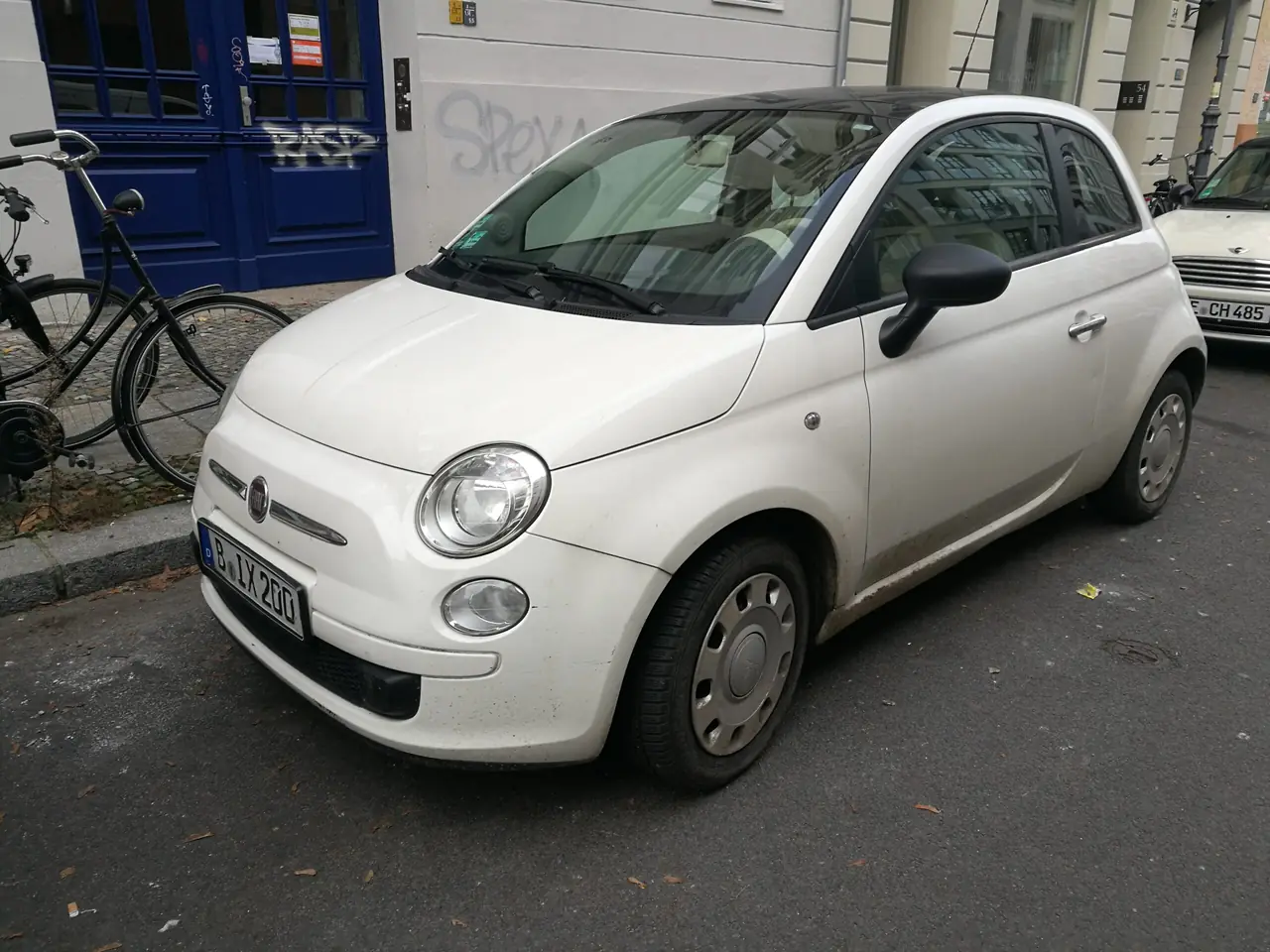
The short answer
What are the common Fiat 500 problems (2007–2024), and is a used Fiat 500 a good buy?
- The Fiat 500 (type 312, 2007–2024) is a cheap, charming city car, but it has more significant defects than average at the German TÜV and a worse-than-average mileage-adjusted MOT failure rate in Britain, with suspension, tyres, brakes, lights, exhausts and oil leaks the usual faults.
- The weak spots are the Dualogic automated manual, early clutches, wheel bearings and suspension joints, electric power steering, fragile trim and door handles, and on the TwinAir the oil-sensitive MultiAir unit.
- Buy a well-serviced manual 1.2 for town or a TwinAir with proof of regular oil changes, check the timing belt date on the 1.2 and 1.4, and have a Fiat dealer confirm all recalls by VIN.
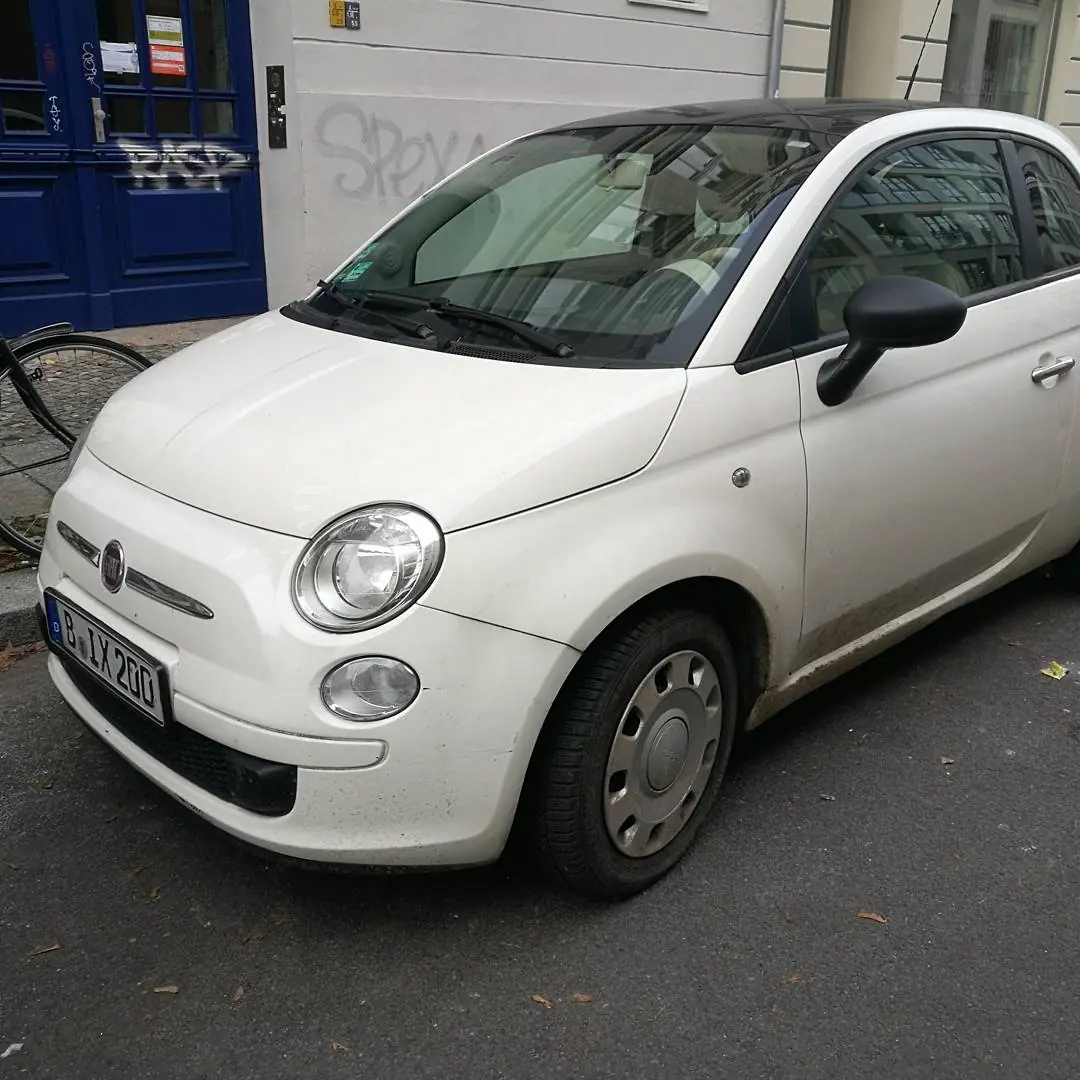
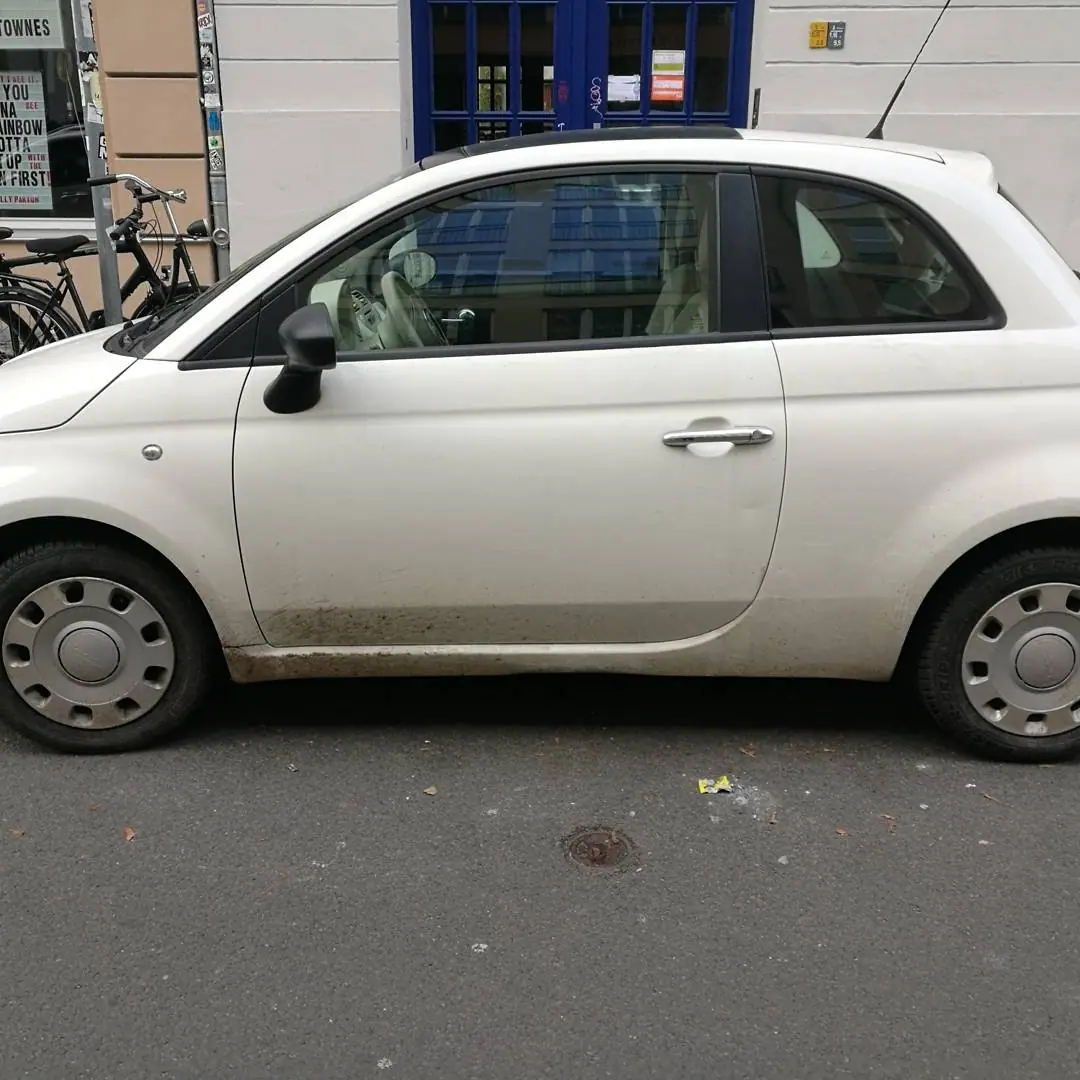
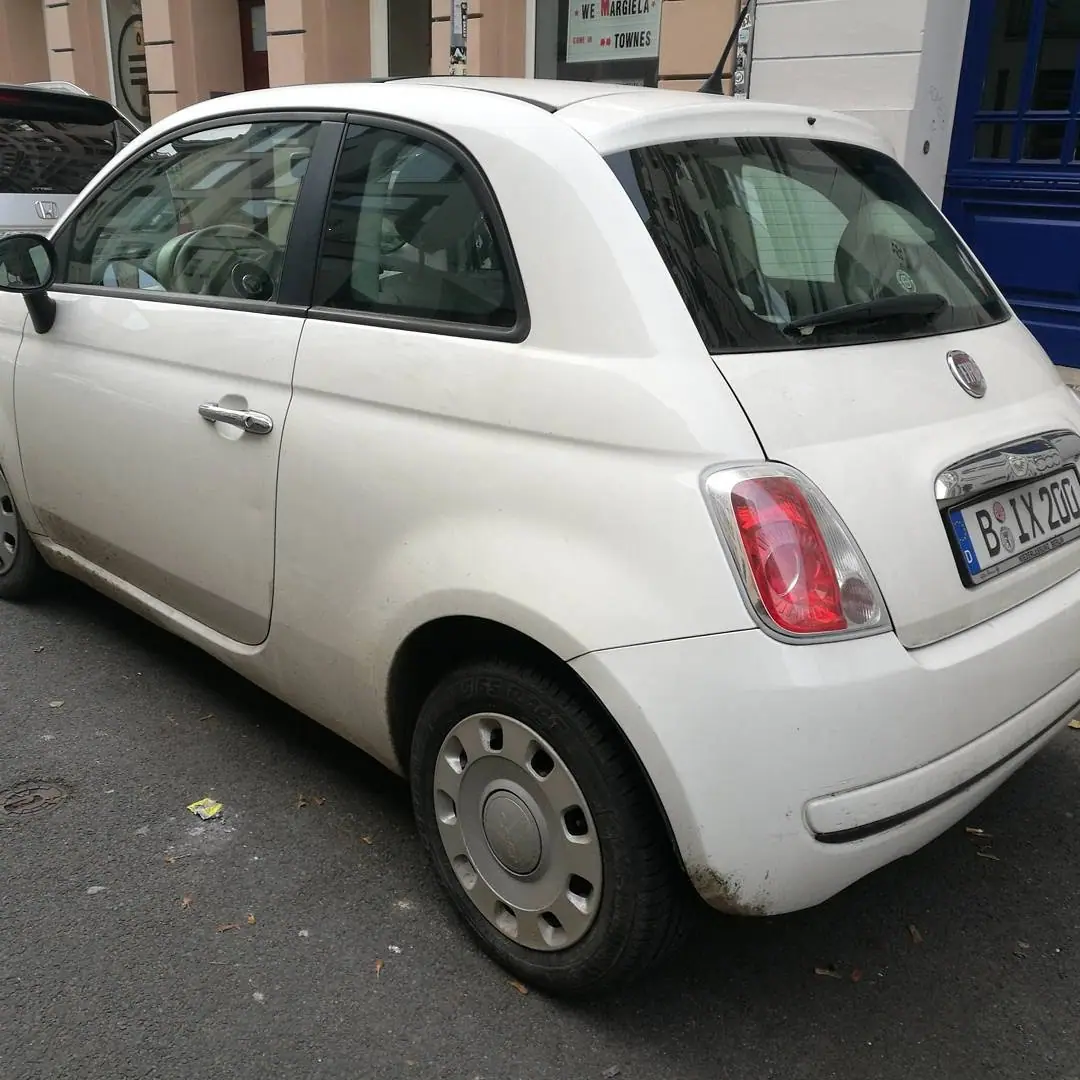
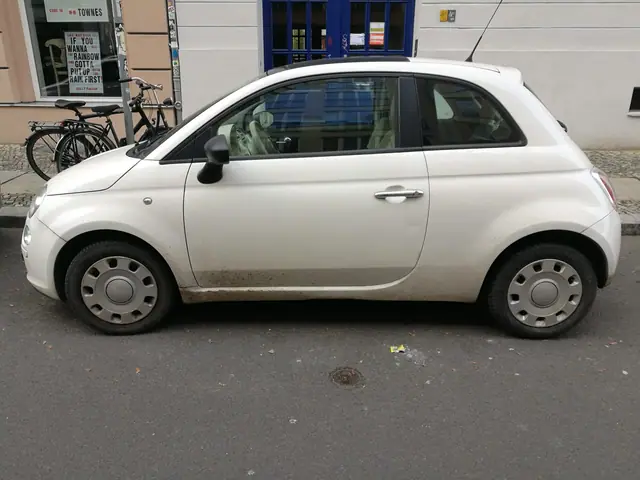
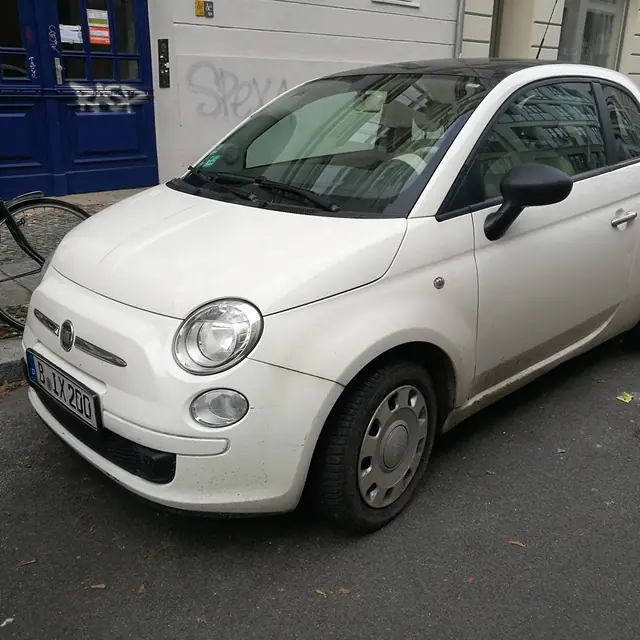
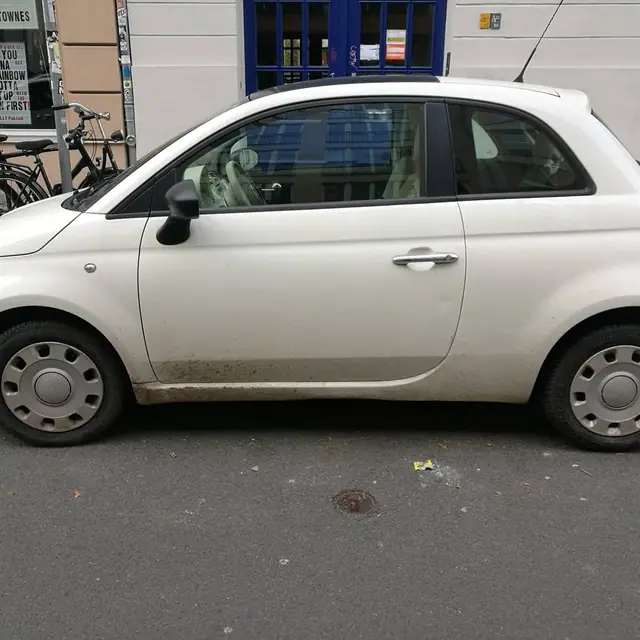
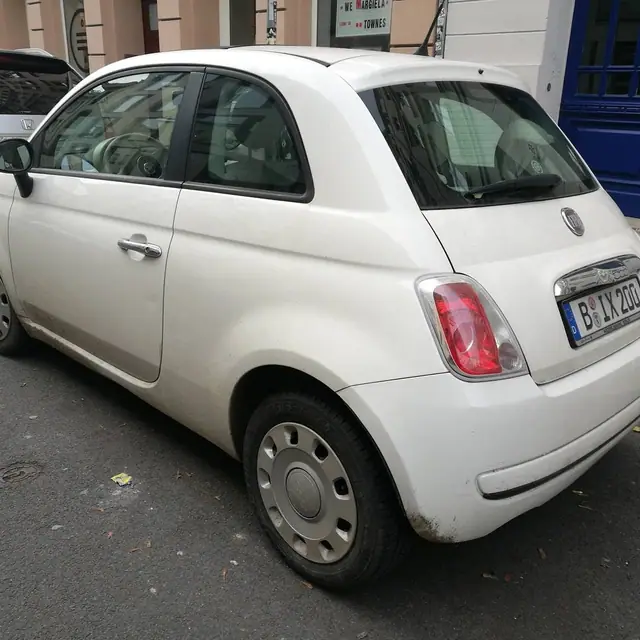
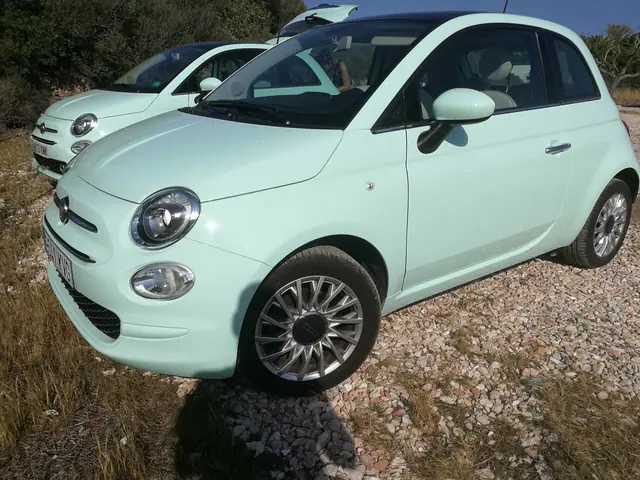
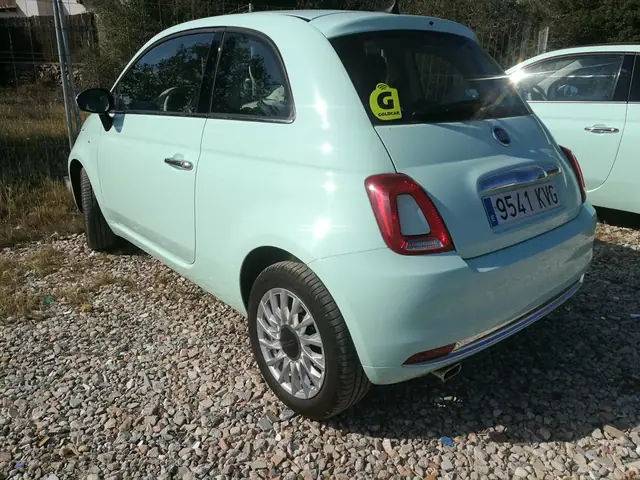
The Fiat 500 (type 312) arrived in October 2007 as a three-door retro city car (ADAC), reached the UK in January 2008 and won the 2008 European Car of the Year title (Auto Express). It was built until July 2024 at Stellantis' plant in Tychy, Poland, and the Abarth versions ended with it (Autonotizen). The electric 500e launched in 2020 is a different car on its own platform (Auto Express), so it is not covered here. At 3.55 metres long, the 500 fits almost any parking space (Auto Bild).
This guide covers the common Fiat 500 problems engine by engine: what the MOT, the TÜV and owner surveys say, the Dualogic gearbox, the TwinAir, timing belts, recalls, Abarth and US models, running costs and which version to buy. In short: the 500 is cheap to buy and run, but its suspension, brakes and build quality need checking, and the gearbox choice matters more than the engine.
The Fiat 500 (2007–2024) at a glance
- October 2007: launch with 1.2 and 1.4 petrol engines and a 1.3 diesel (ADAC, Auto Express).
- 2009: the 500C with a folding fabric roof and the 135 bhp Abarth 500 arrive (ADAC, Auto Express).
- 2010: the 1.3 diesel rises to 95 bhp in February, and the 85 bhp 875 cc TwinAir two-cylinder arrives in August (Auto Express).
- 2012: the 500 goes on sale in the US for the 2012 model year with a 1.4 MultiAir engine (J.D. Power).
- May 2014: a 105 bhp TwinAir joins the range (Auto Express).
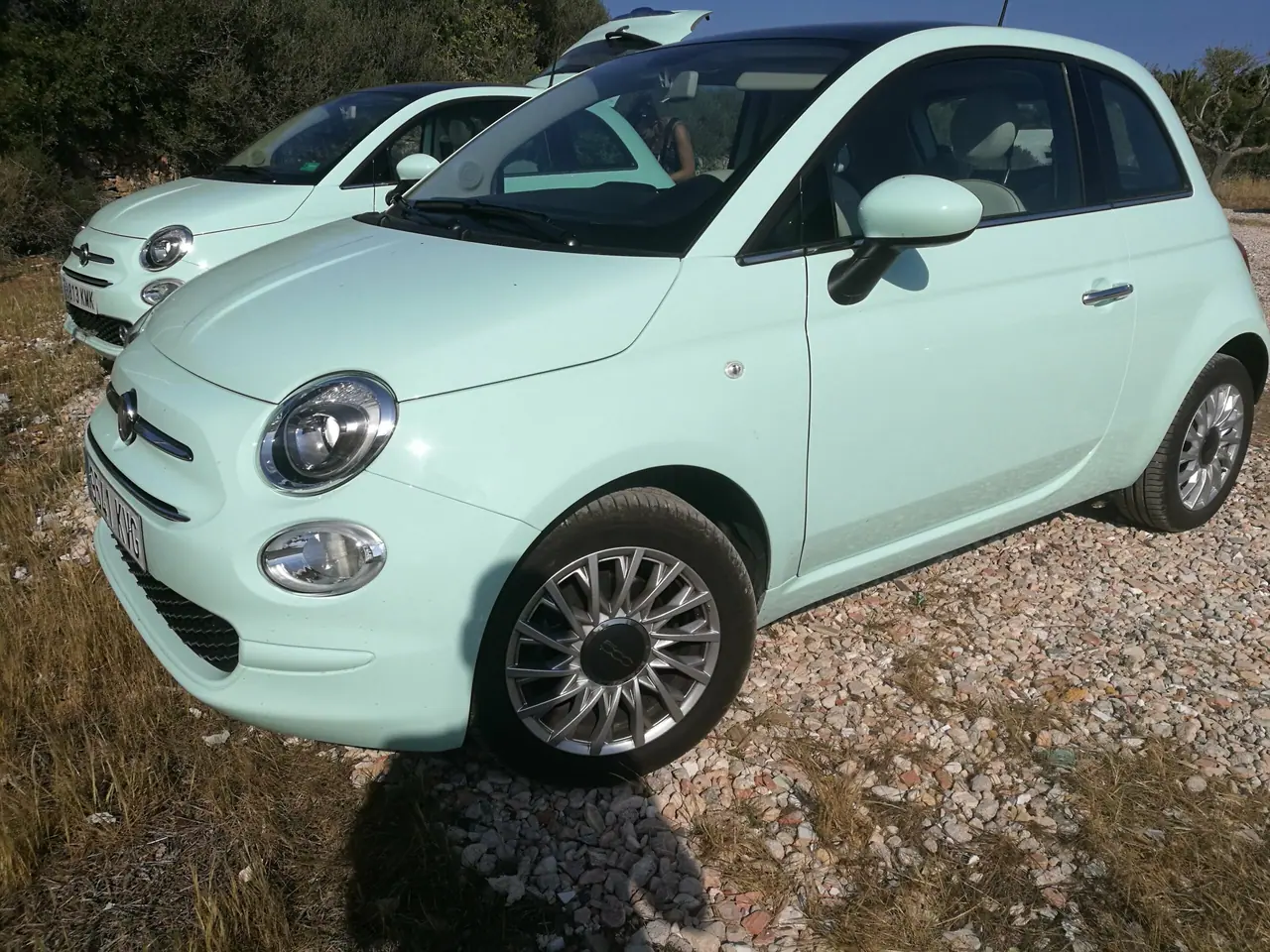
- July 2015: comprehensive facelift; all engines now meet Euro 6 (ADAC), and new infotainment arrives (Auto Express).
- 2018–2019: the diesel and the TwinAir are dropped (ADAC).
- January 2020: a 1.0 mild hybrid with 70 PS arrives; within a year it is the only engine (Auto Express, ADAC).
- July 2024: production in Tychy ends (Autonotizen).
The boot holds 185 litres, or 550 litres with the rear seats folded (Auto Express); the 500C has 182 litres (ADAC).
Engines and specs
| Engine | Power | 0–100 km/h | Years | Watch for |
|---|---|---|---|---|
| 1.2 8V petrol | 69 PS | 12.9 s | 2007–2020 | timing belt, clutch |
| 1.4 16V petrol | 100 PS | 10.5 s | 2007–2015 | timing belt, clutch |
| 0.9 TwinAir petrol | 85–86 PS | 11.0 s | 2010–2019 | MultiAir unit, oil changes, clutch and flywheel |
| 0.9 TwinAir Turbo petrol | 105 PS | 10.5 s | 2014–2018 | MultiAir unit, turbo actuator |
| 1.3 Multijet diesel | 75, later 95 PS | 10.7 s (95 PS) | 2007–2018 | particulate filter, dual-mass flywheel |
| 1.0 GSE Hybrid petrol | 70 PS | 13.8 s | 2020–2024 | few known issues |
Figures from the ADAC, Auto Express and Honest John. All engines drive the front wheels, and the Dualogic automated manual was available with the petrol engines (ADAC).
Which engine for which driver
The ADAC says the 1.2 is enough for mostly urban driving, and the TwinAir is lively and fun but loud and only economical under light load. Auto Express calls the 1.4 much perkier and the diesel worth considering for high mileage but less fun. The mild hybrid is the newest and simplest choice for town.
Gearboxes: manual, Dualogic and the US automatic
The manual is the safe choice. The Dualogic is an automated manual, not a conventional automatic; owners report jerky shifts, trouble selecting gears and, in some cases, the car dropping into neutral, and CarGurus, Who Can Fix My Car and Car Checker all advise avoiding it. US-market 500s were offered with a five-speed manual or a conventional six-speed Aisin automatic instead (Jalopnik).
Fuel economy
| Engine | Real MPG average | Litres per 100 km |
|---|---|---|
| 1.2 | 47.4 mpg | about 6.0 |
| 1.2 Dualogic | 46.7 mpg | about 6.0 |
| 1.4 | 41.0 mpg | about 6.9 |
| 0.9 TwinAir 85 | 46.2 mpg | about 6.1 |
| 0.9 TwinAir 105 | 45.5 mpg | about 6.2 |
| 1.3 MultiJet 75 | 55.3 mpg | about 5.1 |
| 1.3 MultiJet 95 | 60.2 mpg | about 4.7 |
| 1.0 mild hybrid | 52.7 mpg | about 5.4 |
Source: Honest John Real MPG (UK gallons, owners' figures). Owners of the TwinAir 105 reach only 68 percent of its official NEDC figure, and Auto Express notes that a TwinAir driven hard can drop to 35 mpg.
Living with it
The ADAC praises the design, the many personalisation options, the safe handling, the ergonomics and the economical diesels, and criticises inconsistent build quality, small seats, the cramped rear and the very small boot. Auto Bild finds the steering vague, the seats tight and the ride bumpy. Auto Express likes the simple dashboard and the City Steering mode for parking, but calls the plastics budget, the suspension firm and the rear seats cramped, so the 500 works best as a two-seater. Honest John finds it stable on the motorway but tiring on long journeys because of its modest performance.
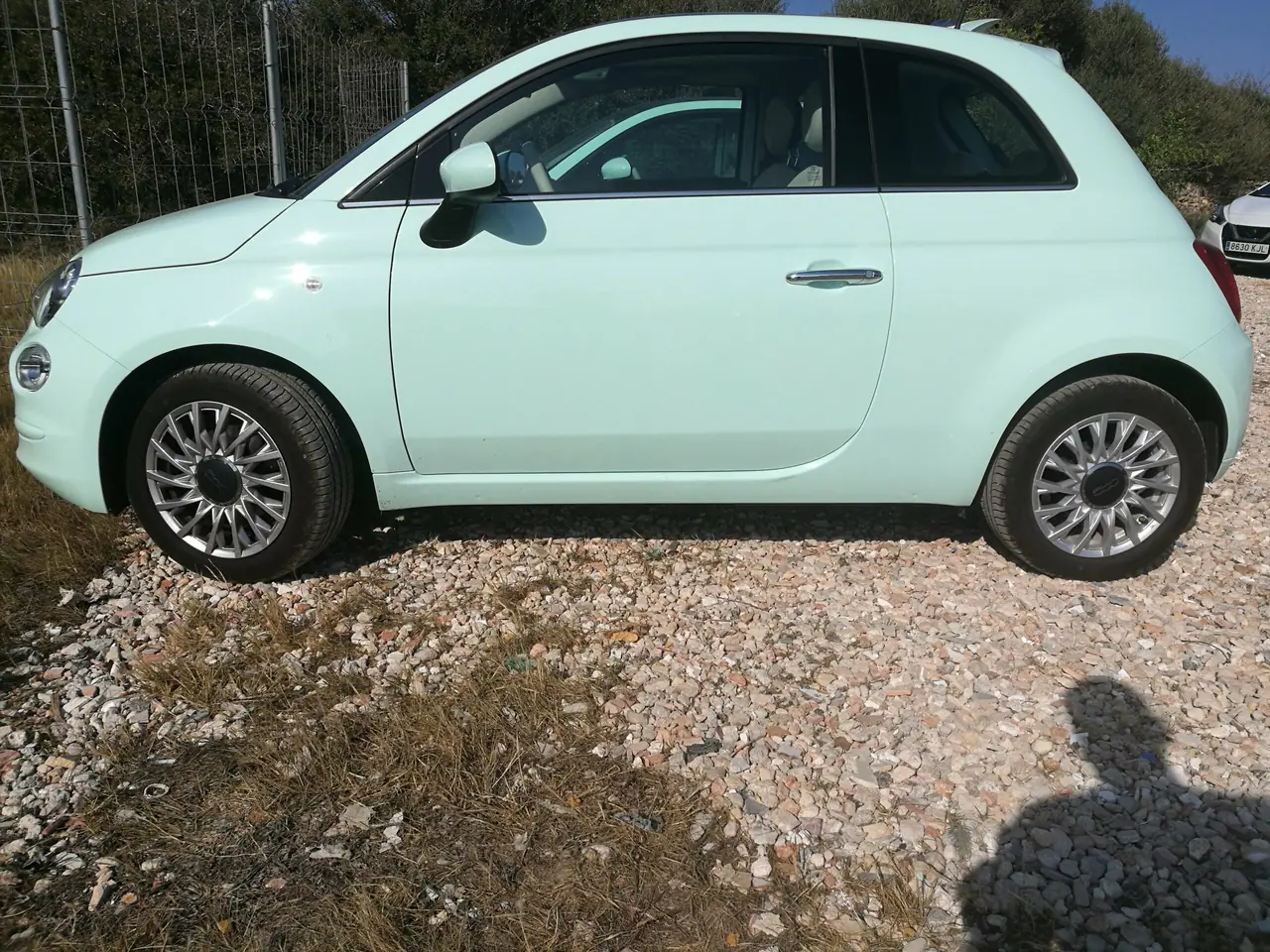
If you need more space for similar money, read our 2019 Ford Ka+ Active guide; for a slightly larger Fiat, see our Fiat Grande Punto guide.
Reliability: MOT, TÜV and owner surveys
The British MOT data for 2015 cars show how the 500 ages:
| Age of 2015 cars | MOT tests | Pass rate |
|---|---|---|
| 3 years | 27,290 | 86.8% |
| 4 years | 28,768 | 82.5% |
| 5 years | 29,561 | 75.9% |
| 6 years | 36,944 | 73.3% |
| 7 years | 29,574 | 70.6% |
| 8 years | 37,017 | 68.1% |
| 9 years | 31,207 | 67.6% |
Source: passyourmot. At nine years old the 500 did 5.6 points better than the 62.0% average for cars of that age, but these cars had covered only about 51,000 miles (about 82,000 km). Adjusted for mileage, passyourmot gives the 500 a failure rate of 6.67% per 10,000 miles against an average of 5.38%, so it is worse than average. Suspension (21.9% of failures), tyres (19.9%), brakes (12.7%) and lights (8.5%) cause the most failures.
The German TÜV report tells a similar story. According to Auto Bild, the 500 has more significant defects than average at every age, and the gap widens as the car gets older, even though the cars cover fewer kilometres than average:
| Age | Average mileage | Significant defects | Average for all cars |
|---|---|---|---|
| 2–3 years | 26,000 km | 6.4% | 6.5% |
| 4–5 years | 39,000 km | 10.6% | 10.0% |
| 6–7 years | 55,000 km | 15.3% | 13.6% |
| 8–9 years | 72,000 km | 23.5% | 18.3% |
| 10–11 years | 88,000 km | 29.5% | 22.9% |
| 12–13 years | 101,000 km | 33.6% | 28.4% |
Owners are lukewarm too. In What Car?'s reliability survey the 500 was 14th of 15 small cars with 82.1%, and Fiat was 25th of 31 brands. In Auto Express's Driver Power survey the 500 ranked 49th of 50 in 2024, though it came fourth for running costs. In the ADAC breakdown statistics the 500 sits roughly midfield, with cars first registered in 2014 and 2015 flagged as problematic (ADAC).
Fiat 500 problems: what goes wrong
These are the common problems and issues by system and engine, with the sources that report them.
Dualogic gearbox
Jerky shifts, gear-selection faults and cars dropping into neutral are the typical complaints (CarGurus, Who Can Fix My Car). Car Checker says the Dualogic adds significant unreliability and recommends manual cars with documented service history. If you must have one, test it from cold, in traffic and on hills, and look for warning messages.
TwinAir: MultiAir unit, chain and turbo
The TwinAir uses a timing chain, not a belt, designed to last the life of the car if the oil is changed every 12 months or 12,000 miles (Honest John). Its weak spot is the MultiAir (UniAir) module that controls the inlet valves with oil pressure: Car Checker links failures to neglected oil changes and puts a repair at up to 1,500 euros. Car Checker also lists a sticking turbo wastegate actuator (300 to 600 euros, a new turbo 1,000 to 1,500 euros), split boost pipes and, mainly on engines built before March 2012, a leaking timing cover (300 to 750 euros). Use the oil grade in the handbook: Car Checker cites 5W-40 to Fiat 9.55535-S2 in the 2011 handbook and 0W-30 to Fiat 9.55535-GS1 in later ones.
1.2 and 1.4: timing belt and cold starts
The 1.2 and 1.4 petrols use a timing belt. Auto Express gives a UK replacement interval of six years or 72,000 miles at about £510, while ContiTech cites a manufacturer recommendation of 120,000 km or five years, or four years under harsh conditions. Treat a car with no record of a belt change as needing one. Auto Bild calls the 1.2 fairly durable but reports cold-start problems.
Clutch and flywheel
Petrol clutches can fail early, and many 500s were driving-school cars, which shortens clutch life; check for slipping or notchiness (Auto Express, What Car?). Diesel clutches usually last longer, but dual-mass flywheels can cause problems (Auto Express). On the TwinAir, Car Checker puts clutch and dual-mass flywheel wear at typically 60,000 to 90,000 km and a replacement at up to 1,200 euros.
Suspension, wheel bearings and steering
Worn ball joints and suspension mounts show up at the TÜV even on young cars, and leaking shock absorbers are above average in nearly every age group (Auto Bild). Wheel bearings wear, sometimes after around 60,000 km (ADAC, Gebrauchtwagenberater). Auto Express adds early failures of shock absorbers, radiators, wheel bearings, exhausts and air-con compressors from owner forums. The electric power steering can fail through its torque sensor (fault code C1002); Car Checker puts a dealer steering column at over 800 euros and a specialist rebuild at 400 to 600 euros.
Brakes, exhaust and oil leaks
Auto Bild's TÜV verdict: high brake wear, early exhaust defects and oil leaks at the drivetrain. Brake function is criticised more often than average from four to five years old, brake discs from six to seven years, and defective exhaust pipes are an issue from the second inspection.
Electrics, warning lights and trim
What Car? owners report electrical faults, including faulty dashboard warning lights and infotainment problems, as well as rattles and failing door seals; on the diesels, the particulate filter and engine management can cause expensive bills. If the engine warning light is on, have the fault codes read before you buy. Car Checker also lists fractured tailgate wiring looms, so test the tailgate release and rear lights, and broken door handle hinges. Auto Express names door handles and the seat-tipping mechanism as weak points, and Auto Bild's early long-term test car lost its engine, alternator and, at 207,000 km, its gearbox, and its door handles broke off.
Rust and coolant
Look for rust on the exhaust and the oil pan (ADAC), on the sills (Auto Bild) and on the rear axle beam and spring pans (Car Checker). Auto Bild also cites the ADAC on coolant overheating, so check the coolant level and look for leaks.
Nobody buys a Fiat 500 with a spreadsheet. But a little homework keeps the smile on your face after the first inspection.
Recalls
The German KBA lists 28 recalls for the 500, including faulty airbag control software and incorrectly fitted wishbones (Auto Bild), and Auto Express counts 20 in the UK. What Car? lists 12, including:
- Rear brakes: wheels could lock in extreme cases on cars built 1 August 2008 to 31 January 2009.
- Fuel leak: could make the engine cut out on cars built in September and October 2008.
- Steering column: possible loss of steering on cars built September to December 2009.
- Airbag software: the wrong airbag could deploy on cars built 1 December 2009 to 31 August 2010.
- Wiring harness: lights could fail on cars built 12 September 2011 to 8 July 2014.
- Brake servo pipe: more pedal pressure needed on cars built June to September 2012.
- Seat belts and seats: front belts on cars built September to November 2014, and the driver's seat on cars built 7 December 2015 to 31 March 2016.
- Rear brake shoes: longer stopping distances on cars built 2 September to 18 October 2016.
- Instrument cluster: wrong speed display on cars built 19 July to 7 October 2017, plus a power steering fault on cars built 21 to 29 September 2017.
- Right driveshaft: replacement on cars built 13 August to 19 December 2018.
Auto Express adds a September 2022 recall for a possible steering mechanism failure. In the US, recall 16V-302 covered 39,185 2012–2016 Fiat 500s with a manual gearbox built 21 June 2010 to 12 January 2016, because the clutch diaphragm spring could fracture (NHTSA). Ask a Fiat dealer to check every recall by VIN, and use your national recall database as well.
Prices and running costs
Parkers lists UK used prices from £638 to £13,280, insurance groups 3 to 15 and road tax from £20 to £215 a year. In Germany, Auto Bild sees prices from 2,200 euros, and for a TwinAir with about 95,000 km, Car Checker found median asking prices of 7,100 euros in Germany and 7,700 euros in France. Car Checker estimates the TwinAir's annual running costs at 15,000 km at 700 to 1,350 euros, including a repair buffer.
| Repair | Typical cost |
|---|---|
| Timing belt, 1.2 and 1.4 (Auto Express, UK) | about £510 |
| Clutch with dual-mass flywheel, TwinAir (Car Checker) | up to €1,200 |
| MultiAir unit, TwinAir (Car Checker) | up to €1,500 |
| Turbo, TwinAir (Car Checker) | €1,000–1,500 |
| Power steering column, dealer (Car Checker) | over €800 plus labour |
| Tailgate wiring loom, dealer (Car Checker) | about €600 |
| Rear axle beam, fitted (Car Checker) | about €450–600 |
In the UK, petrol 500s were serviced every two years or 18,000 miles until 2017, then every 12 months or 9,000 miles; diesels every 12 months or 12,000 miles. A minor service costs about £199 and a major one £349 (Auto Express). In London's Ultra Low Emission Zone, check any car on Transport for London's vehicle checker before you buy (UK). Other cities and countries have their own low-emission rules; check them with the local authority.
Abarth and US models
Abarth 500, 595 and 695
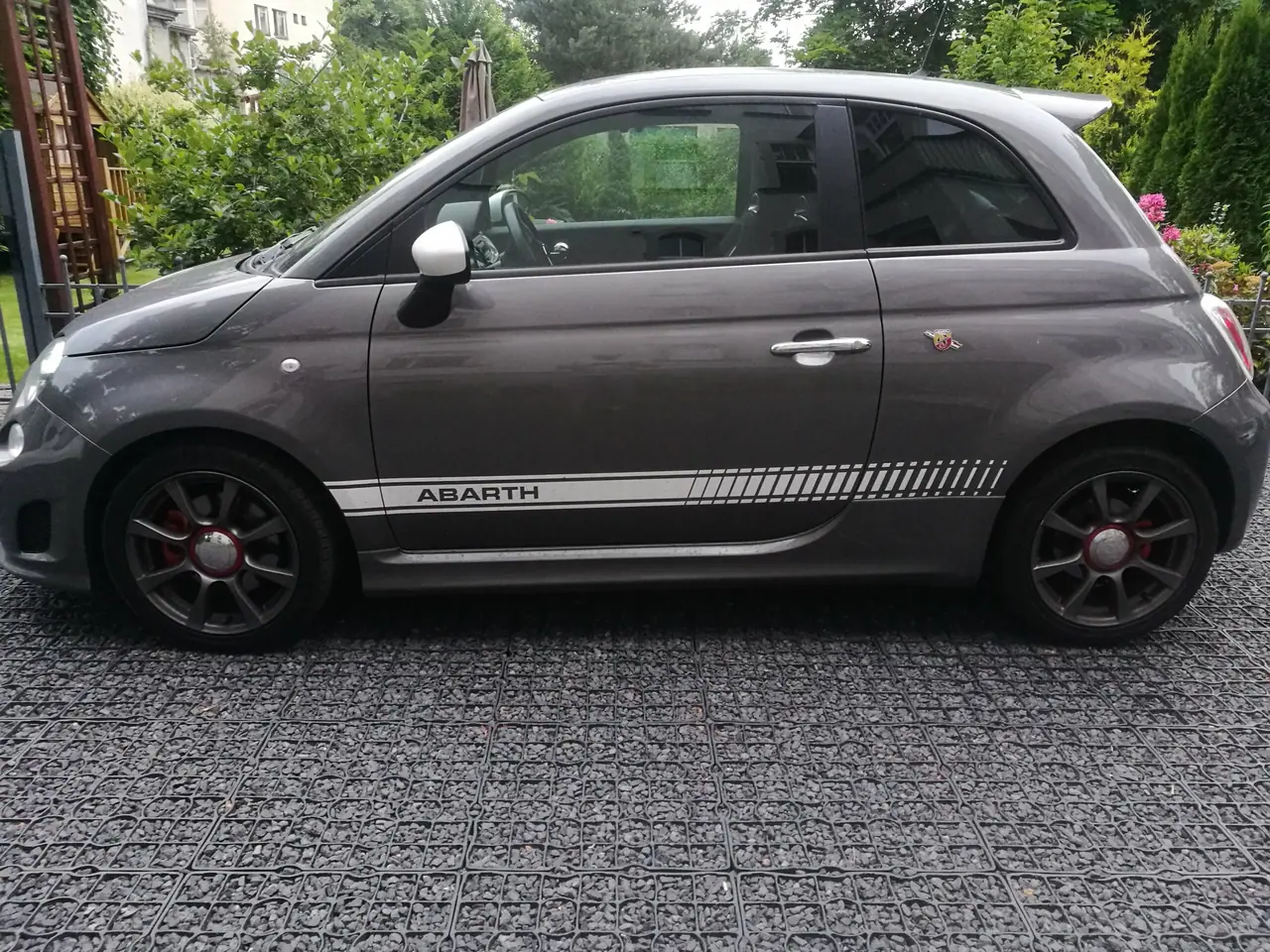
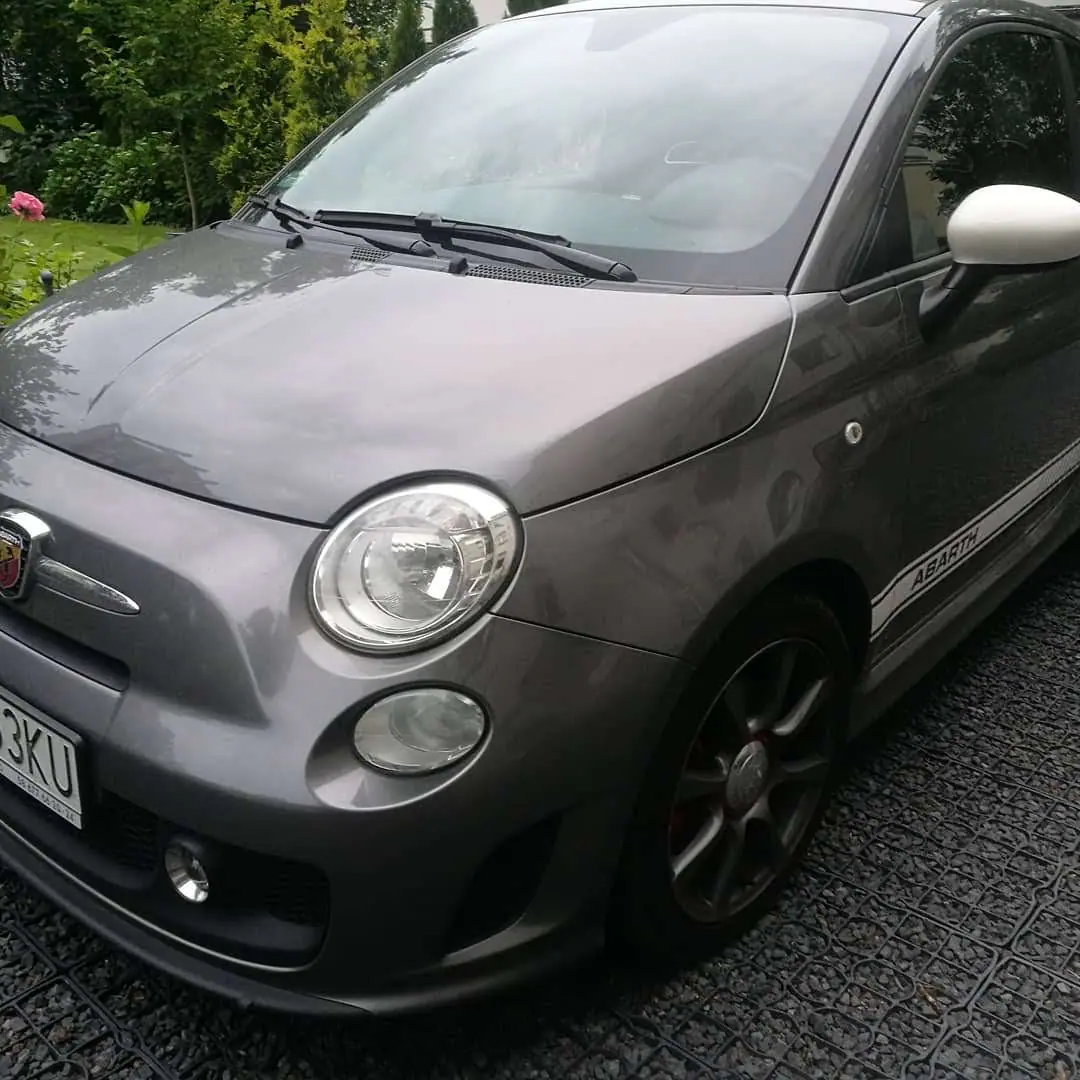
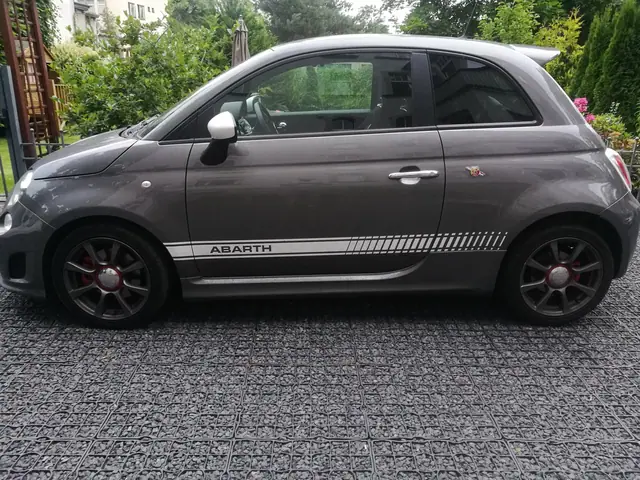
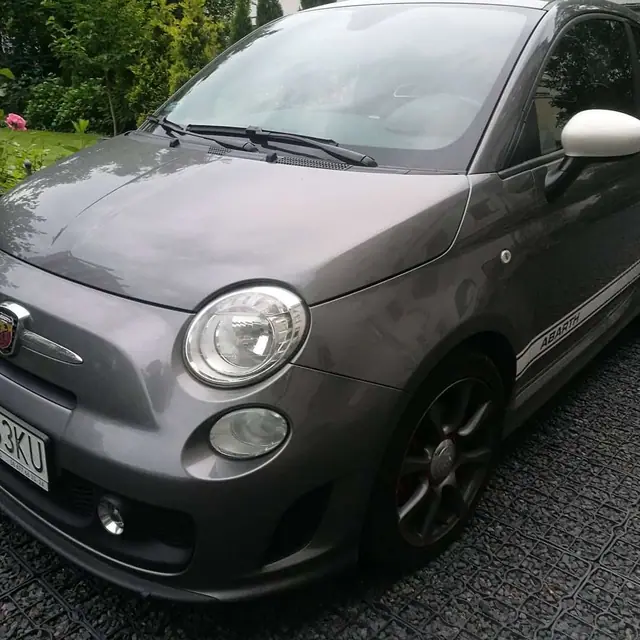
The Abarth 500 reached the UK in 2009 with a 135 bhp 1.4 turbo; the 160 bhp 595 Turismo and Competizione followed in August 2012, the 187 bhp 695 Biposto in 2014, and the Competizione rose to 178 bhp in May 2015 (Auto Express). From December 2022 the range was the 163 bhp 595 and the 178 bhp 695. Dampers, lower front ball joints and bushes wear quickly, and you should check for rattles and loose fittings. Servicing is every 12 months or 9,000 miles, and the cambelt and water pump are due every six years or 75,000 miles at about £850 (Auto Express).
US-market Fiat 500 (2012–2019)
US cars were built in Toluca, Mexico (Carscoops), with a 101 hp 1.4 MultiAir, a five-speed manual or a six-speed Aisin automatic (Jalopnik); EPA ratings were 30 mpg city and 38 highway with the manual, 27 and 34 with the automatic. The 135 hp Turbo arrived in 2013, the Abarth had 160 hp (J.D. Power), and 2019 was the last model year (Consumer Reports). Check that recall 16V-302 has been done on manual cars.
Safety
The 500 scored five stars when Euro NCAP first tested it in 2007 (Honest John). Seven airbags, including a driver's knee airbag, were standard from launch (ADAC). In 2017 Euro NCAP retested the facelifted car under tougher rules and gave it three stars, with 66 percent for adult occupants and low child-protection scores (Auto Express, Thatcham Research).
Which Fiat 500 should you buy?
- Best all-rounder: a facelifted 2015–2020 1.2 with a manual gearbox, a full service history and a recent timing belt.
- Most fun: a TwinAir with documented annual oil changes in the correct grade, or an Abarth for real pace.
- Newest and simplest: a 2020–2024 1.0 mild hybrid.
- High mileage: a 1.3 Multijet diesel with a clean history; What Car? owners report costly particulate filter repairs.
- Avoid: Dualogic cars, TwinAirs with patchy oil history or mostly short trips (Car Checker), ex-driving-school cars with a tired clutch, and cars with open recalls.
Buying checklist
- Have a Fiat dealer check all recalls by VIN.
- Choose a manual; test a Dualogic thoroughly if you must have one.
- Check the service history for oil changes and, on a 1.2 or 1.4, the timing belt date.
- TwinAir: listen for rattling, knocking or a rough idle in the first 30 seconds after a cold start, and drive at least 20 minutes (Car Checker).
- Check the clutch for slipping and listen for a rattle at idle that stops when you press the pedal, a sign of a worn dual-mass flywheel (Car Checker).
- Listen for humming wheel bearings and knocks from the suspension, and check the steering at parking speed.
- Check the brakes, the exhaust and the underside for oil leaks and rust, especially the rear axle beam.
- Test all lights, both door handles, the tailgate release and the infotainment, and look for warning lights.
- Check the MOT or TÜV history for repeated advisories.
Verdict
The Fiat 500 is a charming, easy city car with low running costs, but its inspection record is below average as it ages and its build quality is patchy. The best buy is a well-kept manual 1.2 or a carefully serviced TwinAir; avoid the Dualogic and budget for suspension, brakes and a timing belt if the history is thin. If you need more space for similar money, read our 2019 Ford Ka+ Active guide.
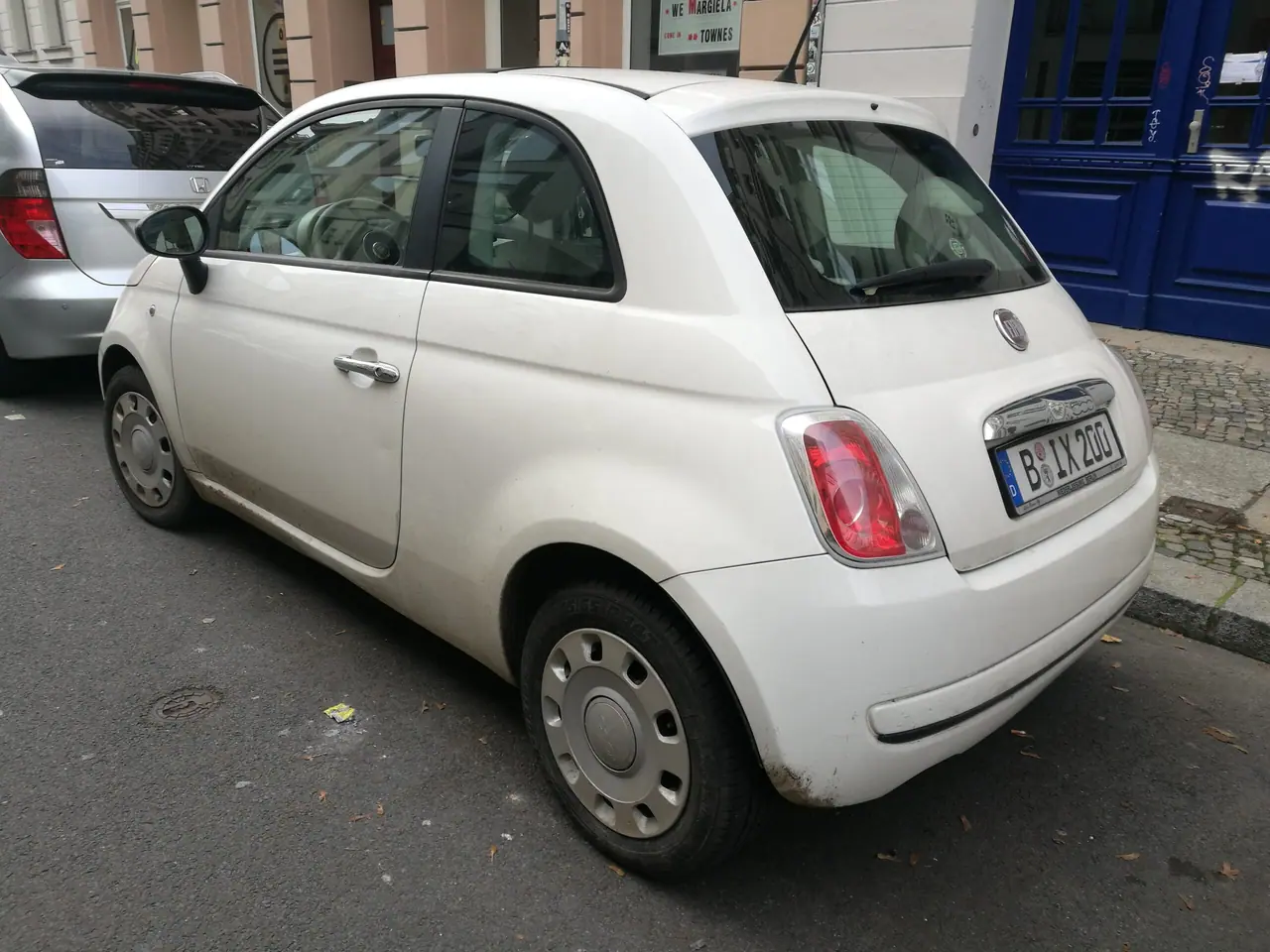
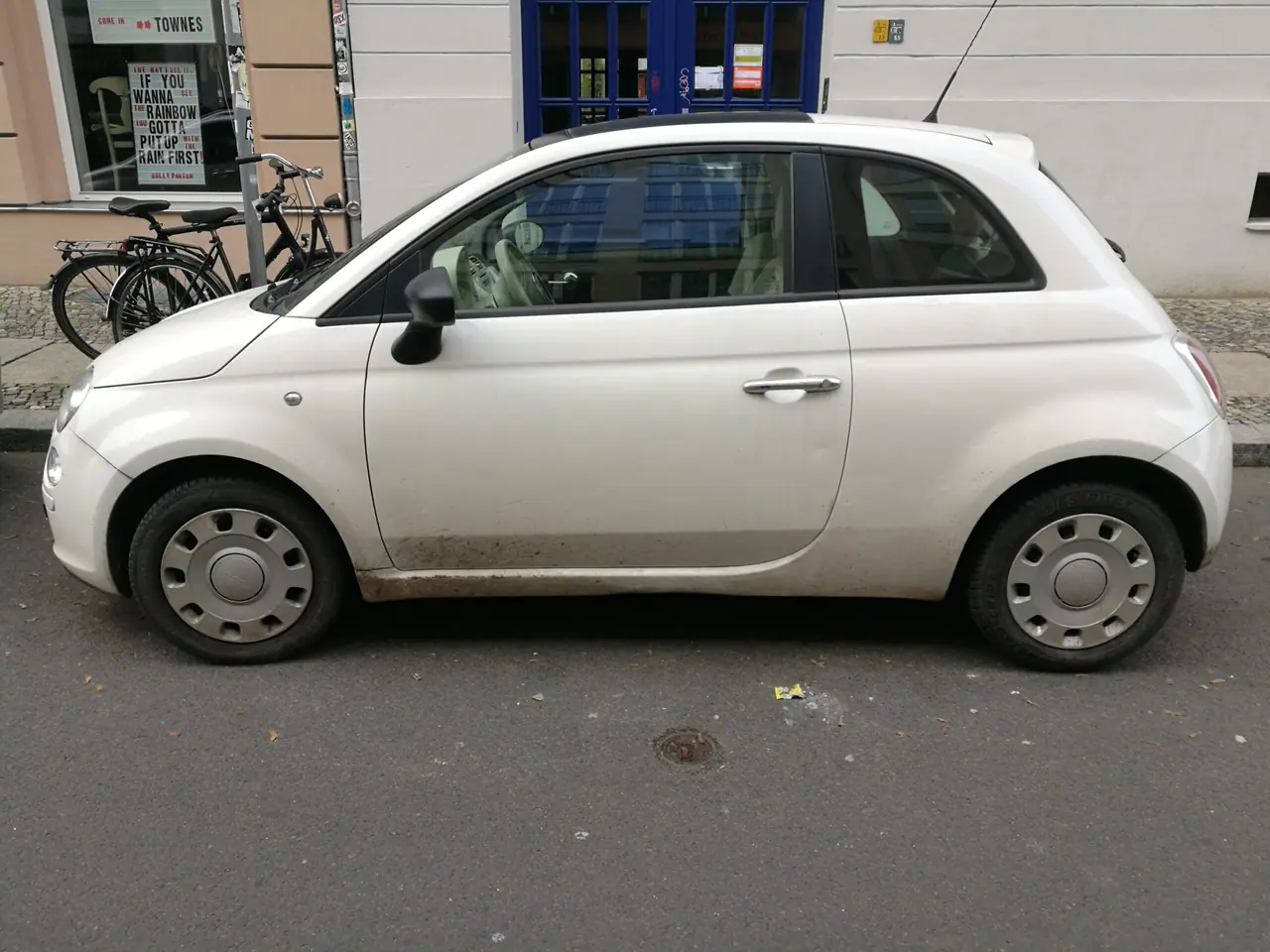
FAQ
Is the Fiat 500 reliable?
Only moderately. It sits roughly midfield in the ADAC breakdown statistics, but it has more significant defects than average at the German TÜV, fails the British MOT more often than average once mileage is taken into account, and ranks near the bottom of What Car? and Driver Power owner surveys.
What are the most common Fiat 500 problems?
Dualogic gearbox faults, early clutch wear, worn suspension joints, shock absorbers and wheel bearings, brake wear, exhaust and oil leaks, electrical faults and warning lights, fragile trim and door handles, and on the TwinAir the MultiAir unit.
Should I avoid the Dualogic gearbox?
Yes, if possible. Owners report jerky shifts and gear-selection faults, and Car Checker says it adds significant unreliability; buy a manual unless you need two pedals.
When does the Fiat 500 timing belt need changing?
On the 1.2 and 1.4, Auto Express gives six years or 72,000 miles in the UK, while ContiTech cites 120,000 km or five years; the TwinAir and the diesel use a chain. If there is no record, change the belt.
Which Fiat 500 engine is best?
For town, the 1.2 or the 1.0 mild hybrid; the TwinAir is livelier but thirstier when driven hard and needs strict oil changes. For high mileage the 95 PS diesel is the strongest choice.
Based on manufacturer data, crash tests, MOT and TÜV data and owner and workshop reports, not on our own test drive. Sources: ADAC used-car report, ADAC Pannenstatistik 2020, Auto Bild TÜV report, Auto Express, Auto Express (Abarth), What Car?, passyourmot, passyourmot (all years), Honest John (Real MPG), Honest John (review), Honest John (TwinAir chain), Car Checker (TwinAir), ContiTech (timing belt), Gebrauchtwagenberater, CarGurus, Who Can Fix My Car, Parkers, Autonotizen, NHTSA (16V-302), J.D. Power, Jalopnik, Carscoops, Consumer Reports, Auto Express (Euro NCAP), Thatcham Research.