Honda CB 500 (PC32)
Yes: the PC32 twin is durable, easy to ride and cheap to run. Check the cam chain tensioner, regulator, rusty exhaust, tired suspension and crash damage.
The short answer
Is a used Honda CB 500 (PC32) a good first bike?
- The PC32 is the Italian-built CB 500 from 1996 to 2003, a 499 cc parallel twin with 57 PS (also 50 and 34 PS) that MOTORRAD calls one of the most recommendable used bikes.
- Typical issues are a sticking cam chain tensioner, regulator failures, rusty exhausts, corrosion on early Italian bikes and worn-out standard suspension.
- Check for crash damage, a plausible mileage and service history; listings we found ranged from about €1,450 to €2,300.
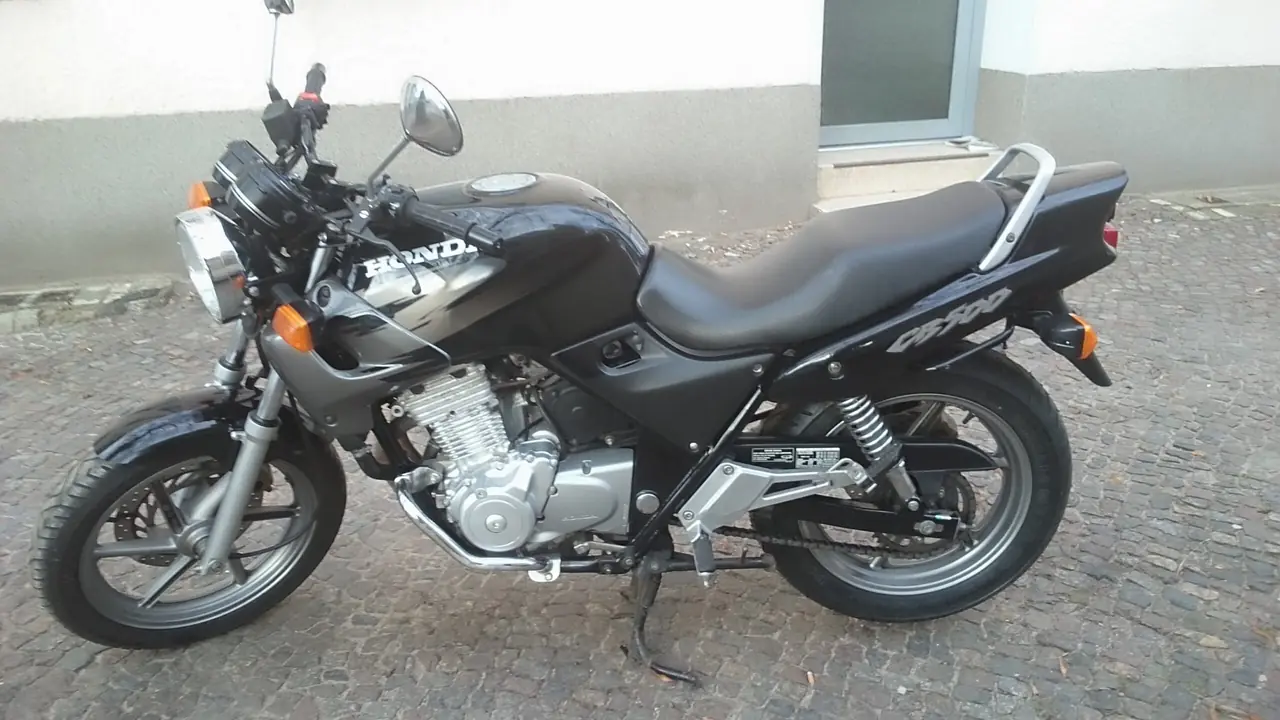
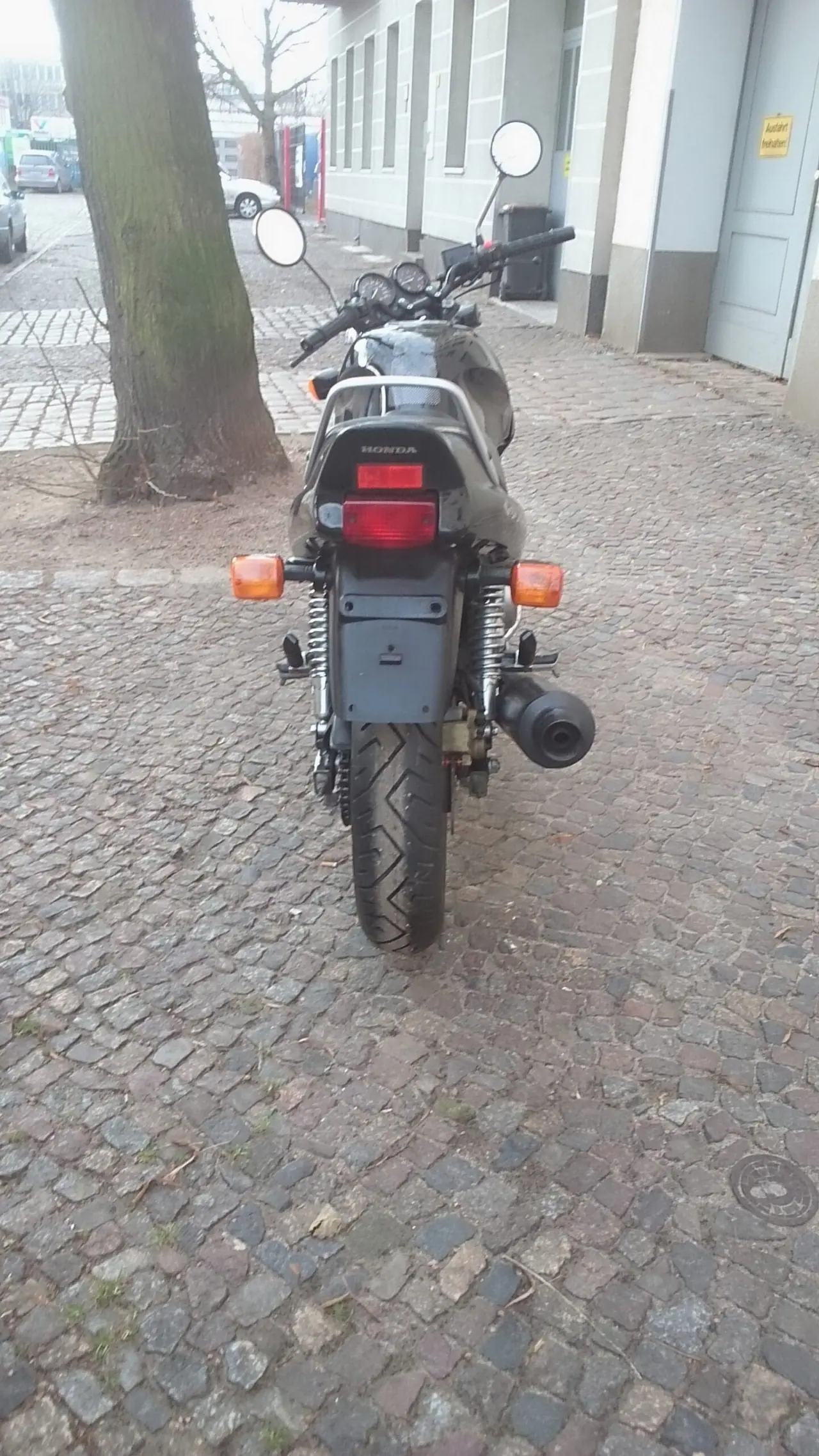
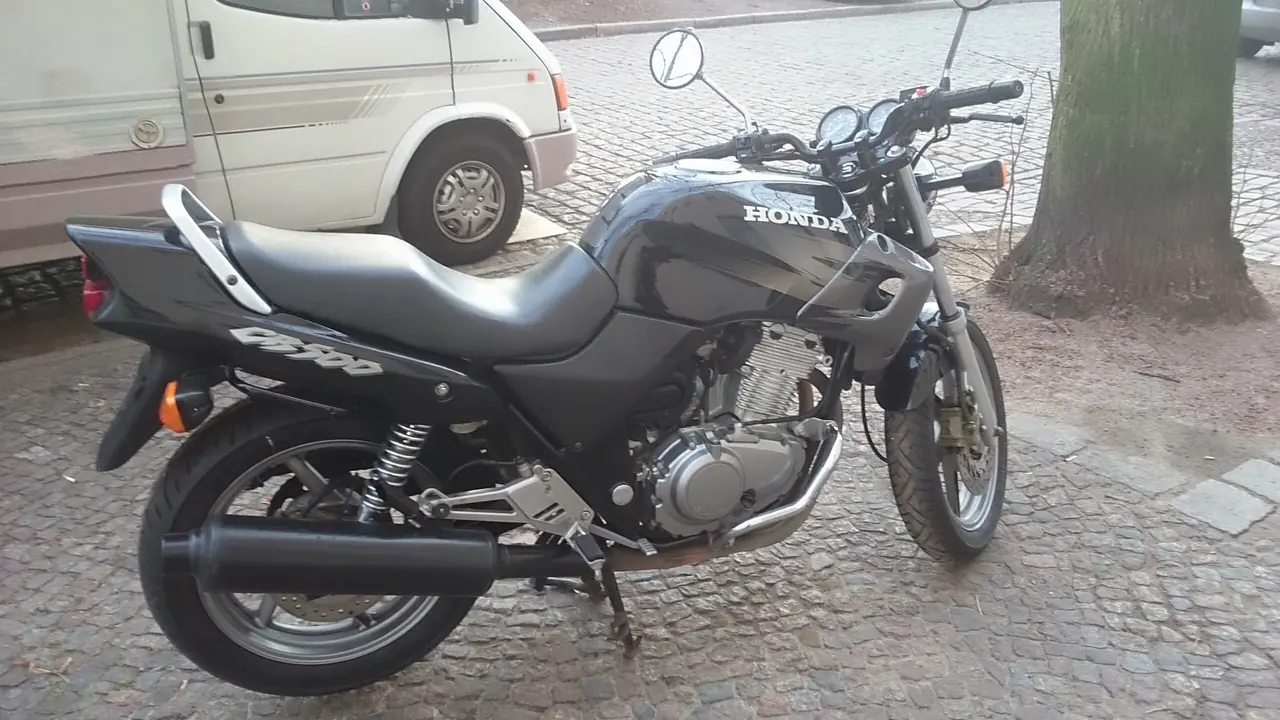
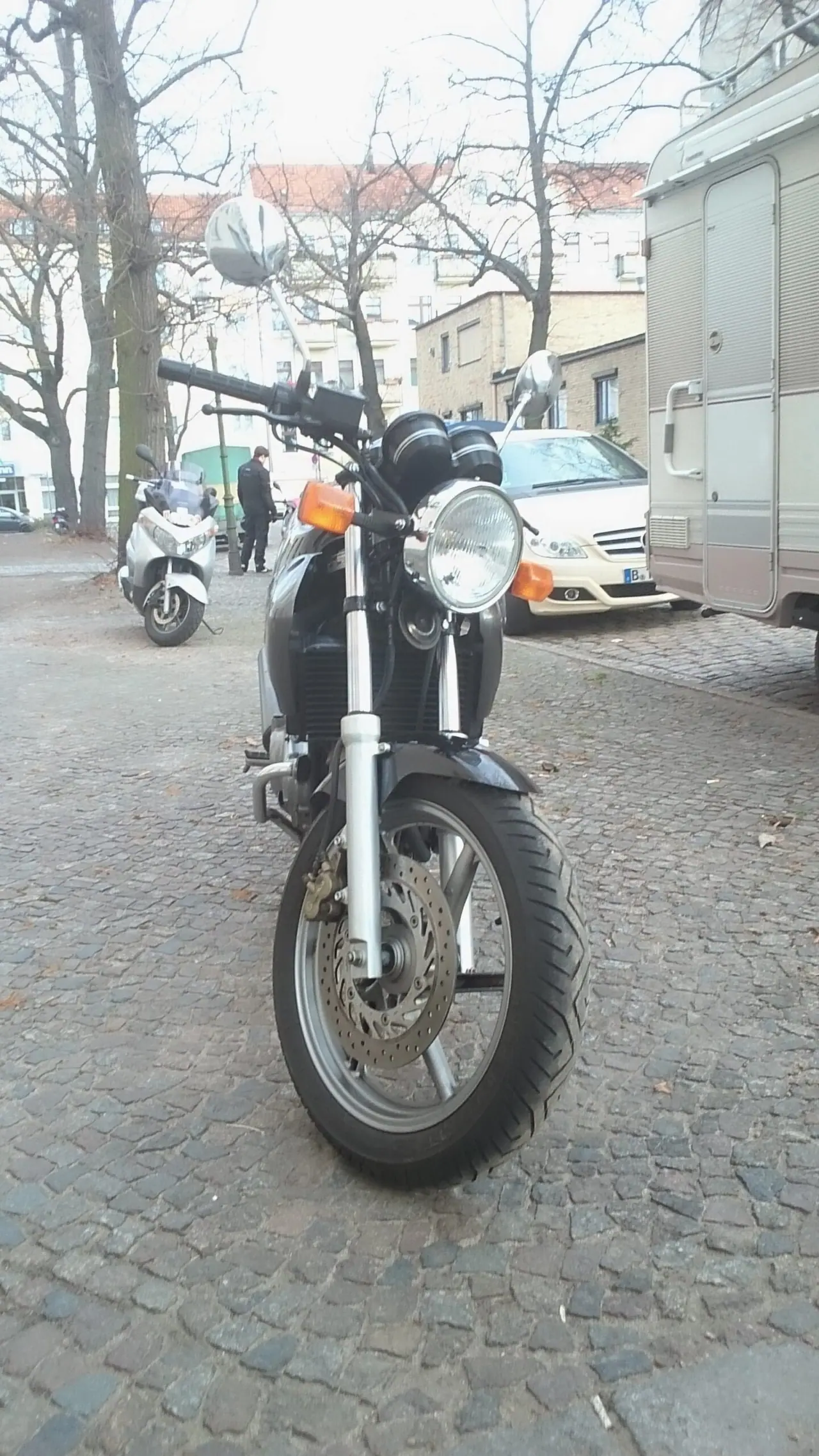
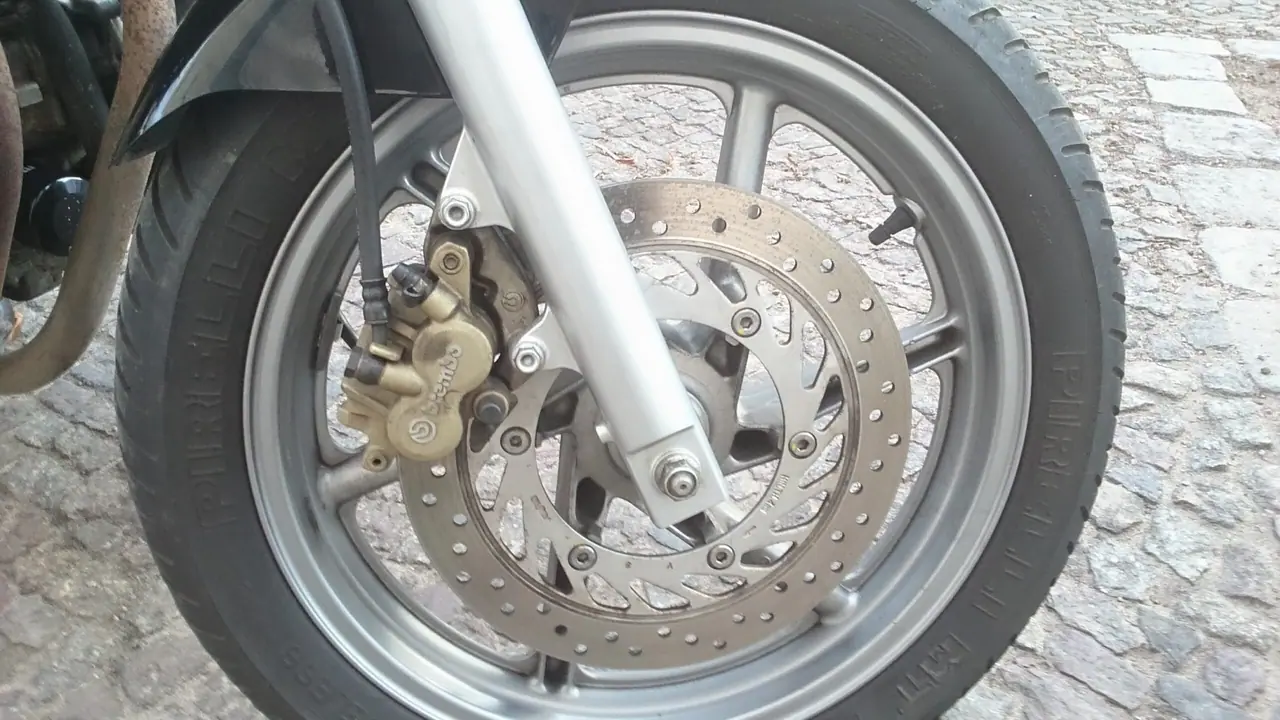
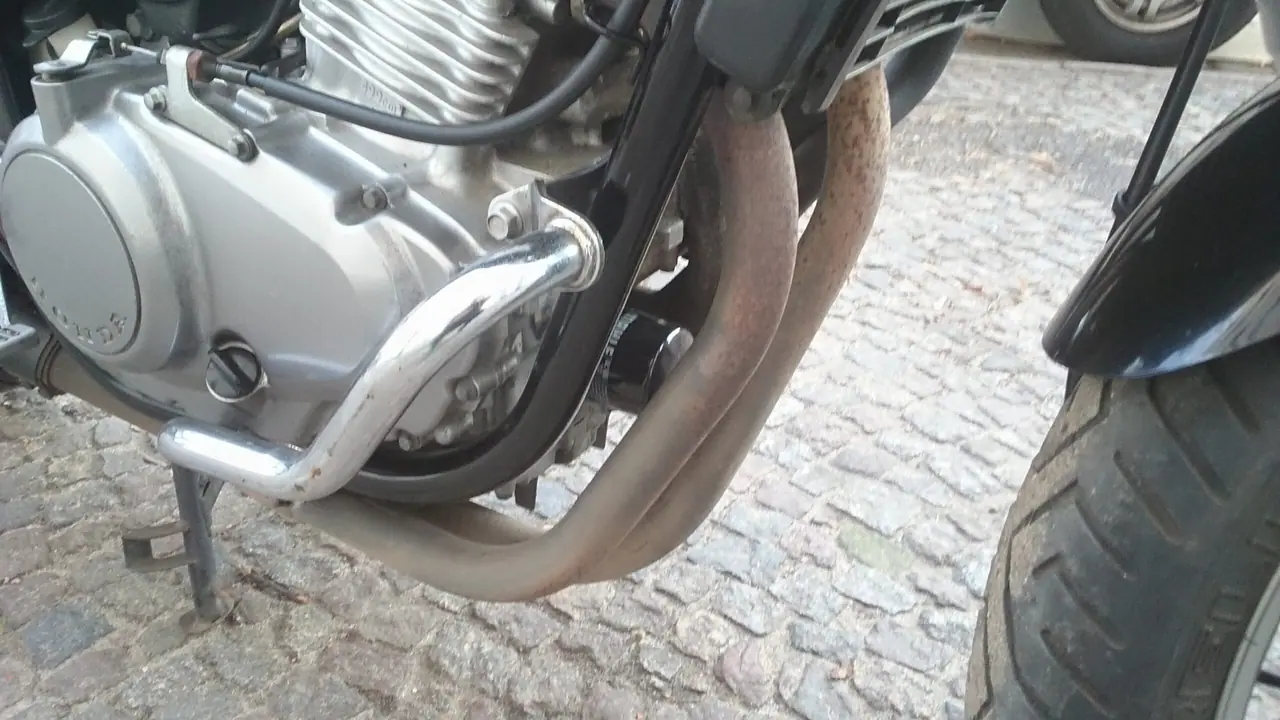
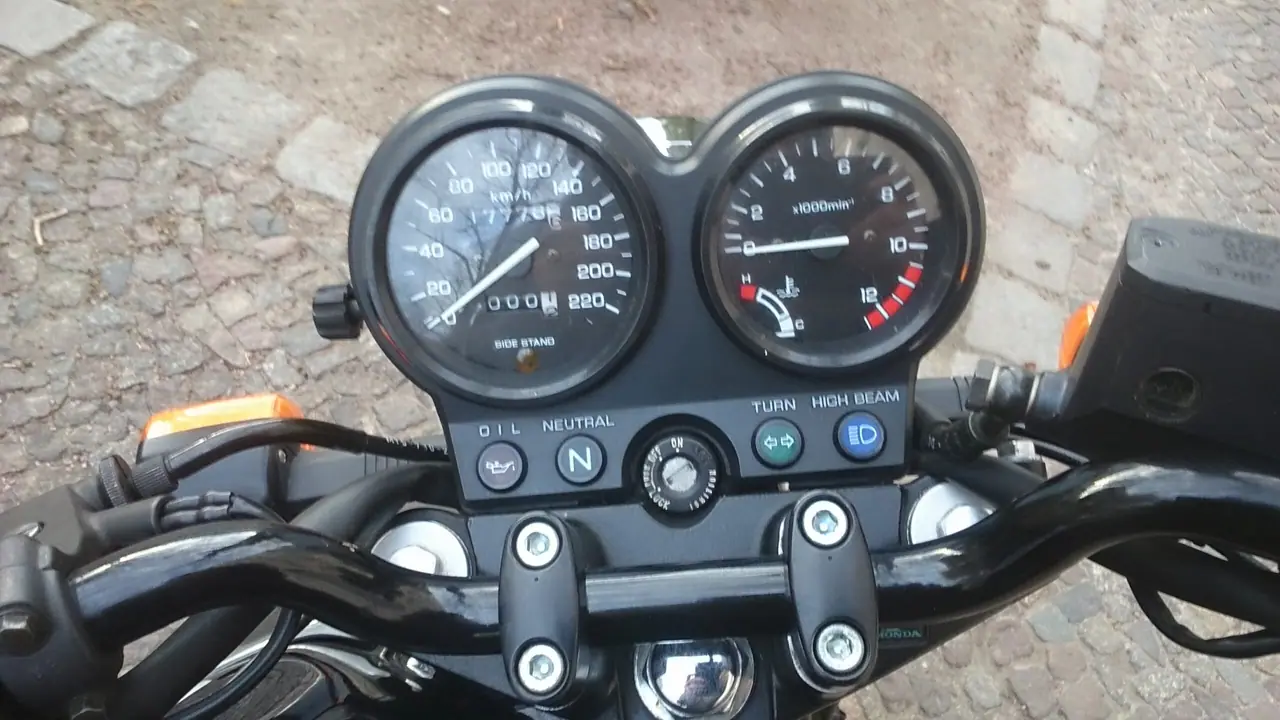
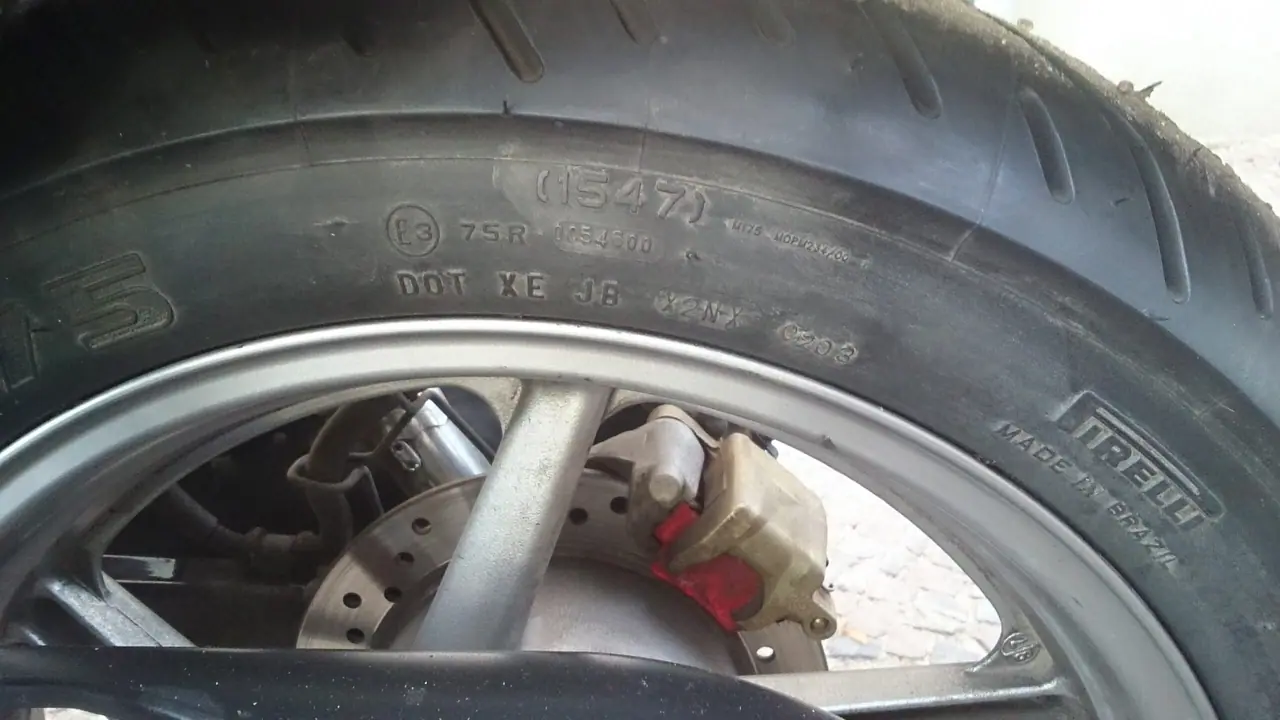
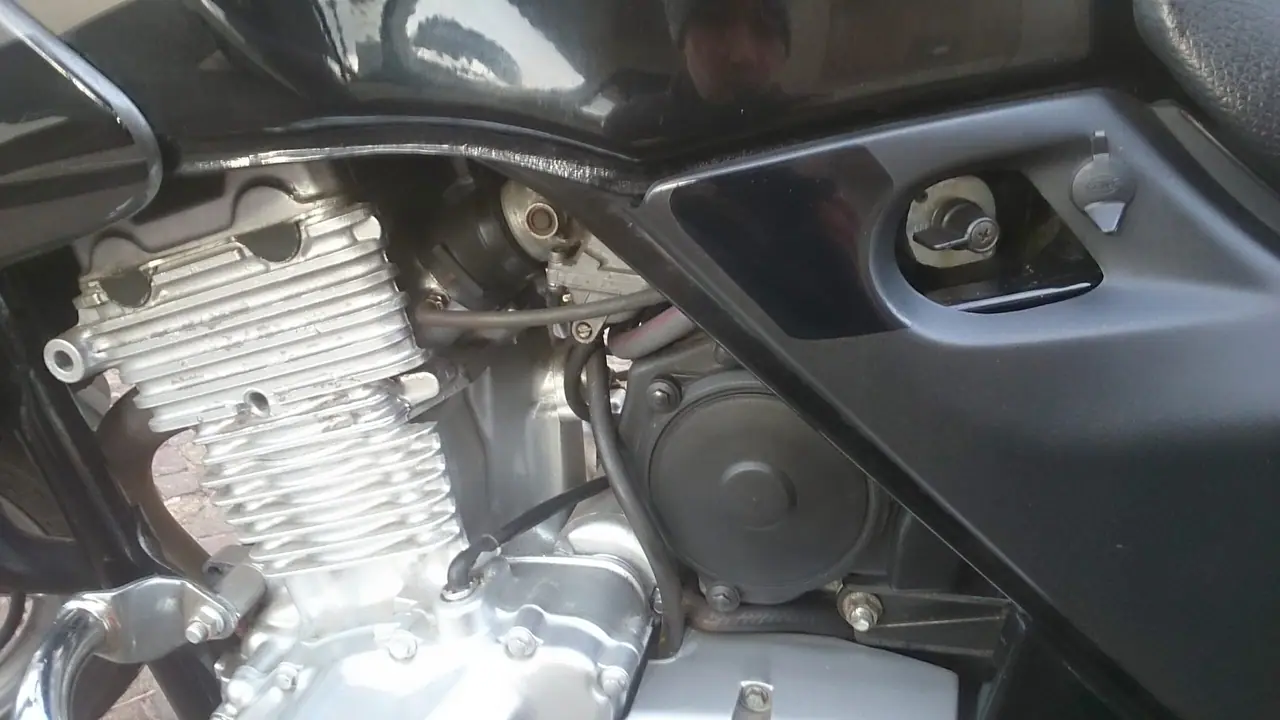
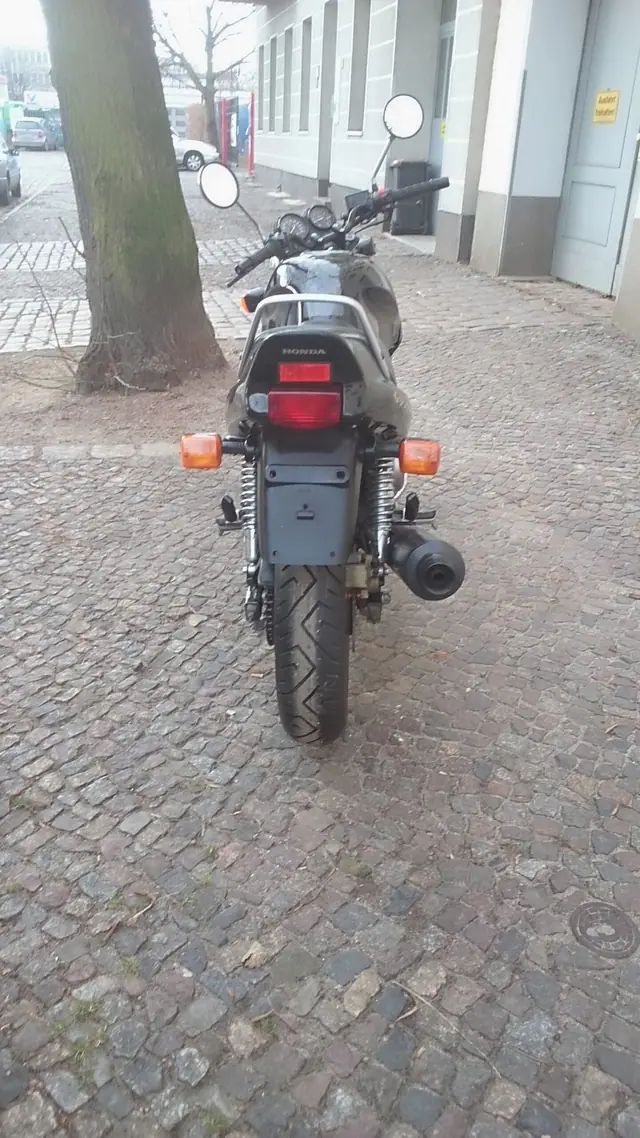
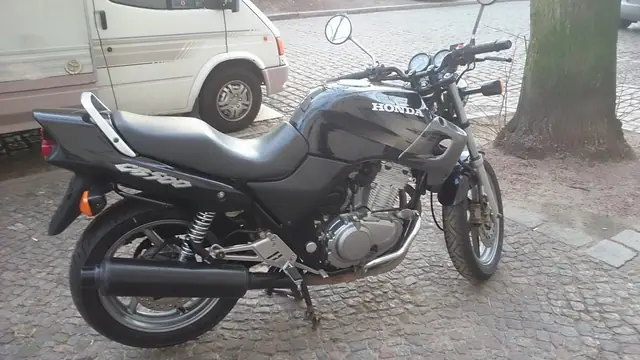
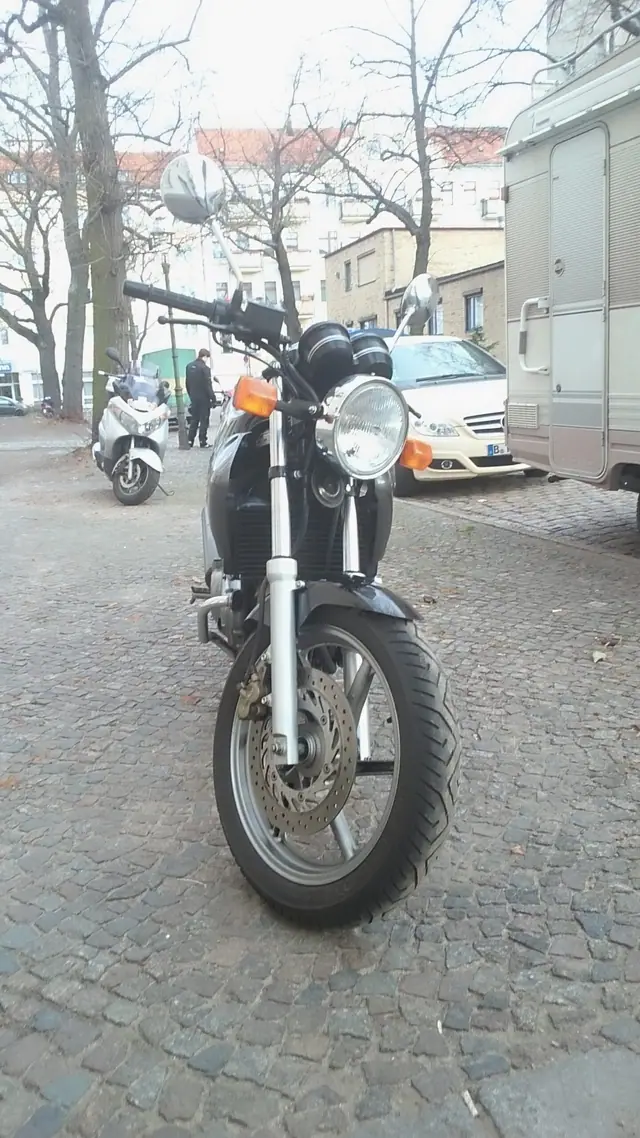
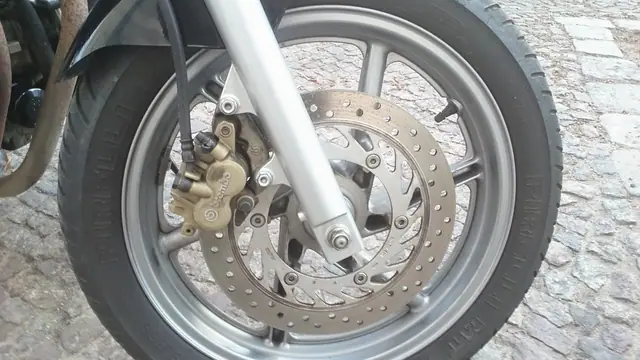
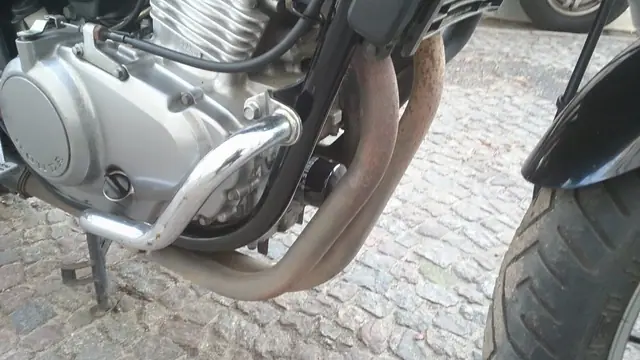
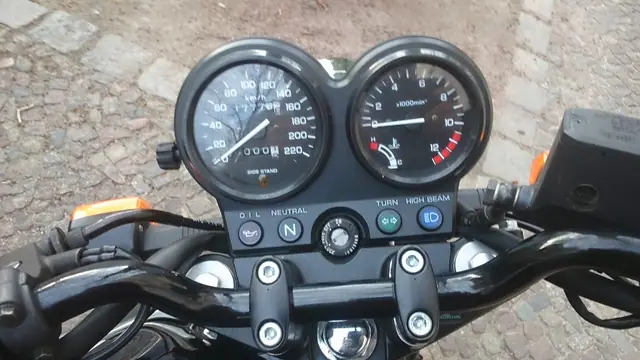
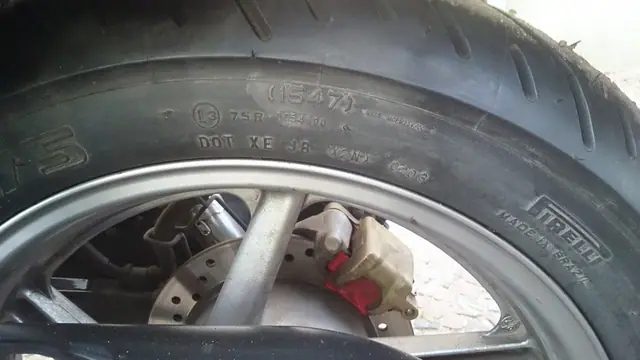
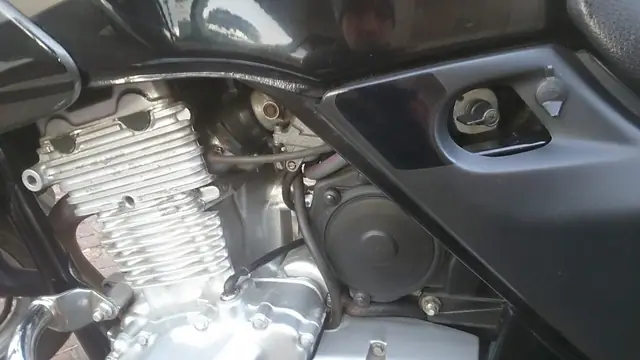
Honda launched the CB 500 at the end of 1993 as a cheap, simple and reliable bike, first as the PC26 built in Japan (1000PS). From 1996 it was built in Atessa, Italy, as the PC32 (MOTORRAD), and from model year 1997 the rear drum brake gave way to a disc, with Brembo calipers front and rear (MCN). The half-faired CB 500 S joined in 1998. Production ended in 2002, the last bikes were sold in 2003, and the CBF500 took over because the old twin no longer met EU emissions rules. Our photos show a black naked PC32 with the rear disc and engine guards.
Engine and specs
| Spec | CB 500 (PC32) |
|---|---|
| Engine | 499 cc water-cooled parallel twin, four valves per cylinder |
| Power | 57 PS (42 kW); also sold with 50 and 34 PS |
| Torque | 47 Nm |
| Gearbox and drive | six-speed, chain |
| Weight | 196 kg fully fuelled |
| Seat height | 790 mm |
| Tank | 18 litres, 2.5 of them reserve |
| Brakes | 296 mm disc front, 240 mm disc rear (rear drum before 1997) |
| Performance | 0–100 km/h in 4.7 s, top speed 180 km/h |
| Consumption | 4.3 to 6.4 l/100 km in MOTORRAD's tests |
Sources: MOTORRAD for the main data, MCN for the brake discs.
Living with it
MCN calls the engine smooth with a broad spread of power and a noticeable surge around 8,000 rpm; owners add that there's not much pull low down, and the bike comes alive higher up. Handling is stable and friendly, the gearbox is smooth, and it cruises at motorway speed without a fairing. Driving schools used it for years, and a driving instructor in MOTORRAD's used-bike guide says nobody fails on a CB 500.
Running costs are low. Spritmonitor entries for the PC32 mostly show 4.5 to 5.4 l/100 km, so the 18-litre tank is good for 300 kilometres and more. In MOTORRAD's 50,000 km test, the CB 500 cost 18 pfennigs per kilometre without depreciation, which put it among the best bikes the magazine ever ran in a long-term test (quoted by 1000PS). MCN puts annual servicing at around £100.
Common problems
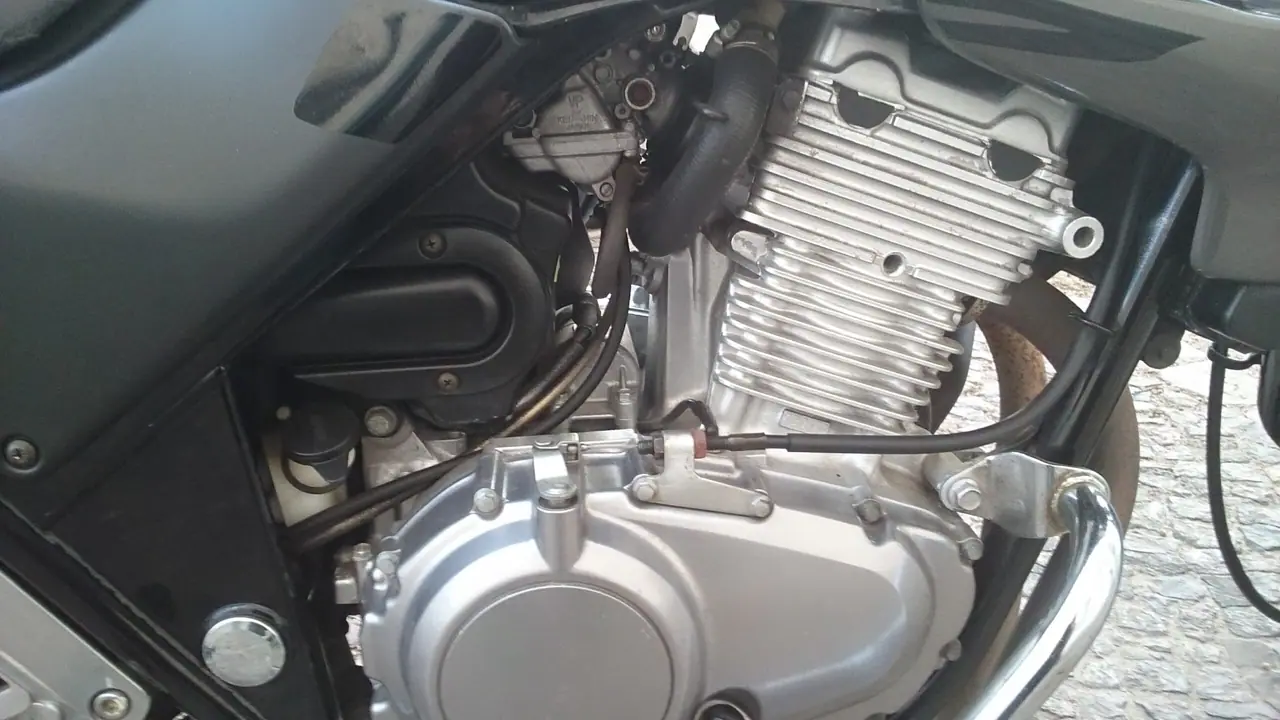
- Cam chain tensioner: MOTORRAD's 50,000 km test bike and other early CB 500s had sticking tensioners. Honda said at the time that fewer than 40 of 8,500 bikes sold in Germany were affected, but MCN owners still name it as a typical fault.
- Regulator/rectifier: owners report failures; one MCN owner calls it typical of 1990s Hondas. Check the charging voltage.
- Exhaust: the downpipes and silencers rust easily (MCN). Dents and scrapes also point to a crash.
- Corrosion: the first Italian-built PC32s rusted more than the Japanese bikes (MOTORRAD). Owners also report corrosion on the rear suspension, engine castings and frame (MCN). Look inside the tank for rust.
- Suspension: owners often find the standard fork and shocks tired and fit new springs or aftermarket shocks (MCN).
- Wear parts: steering head bearings, chain and sprockets, tyres and brake pads (MOTORRAD).
We found no recall information for the CB 500 in our sources.
The twin rarely gives up. Look for crash damage, rust and a worn-out chassis instead.
Safety
The CB 500 has no ABS and no electronic aids. Owners' views on the brakes are mixed, and several want more bite from the single front disc (MCN). Fit fresh tyres if the ones on the bike are old, even if the tread looks good.
In the EU, the A2 licence allows bikes of up to 35 kW (48 PS). The 34 PS version qualifies; a 57 PS bike needs an approved restriction, documented in its papers. MOTORRAD notes that the power can be changed via the intake stubs and the carburettor main jets. Check current rules with your licensing authority.
Buying checklist
- Start the engine cold and listen for rattling from the cam chain.
- Check that the battery charges properly with the engine running.
- Look at the steering stops, swingarm, frame, footrests and exhaust for crash damage (MOTORRAD).
- Inspect the exhaust for rust and the tank for rust inside.
- Compare the mileage with the wear: lots of kilometres but little wear on the tank and fairing can mean replaced parts. Ask for a service book (MOTORRAD).
- Check the steering head bearings, the chain and sprockets, the brake pads and the tyre age.
- Bounce the fork and rear shocks. Soft, leaking or rusty units need replacing.
- Make sure the power version matches the papers and your licence.
Verdict
The CB 500 PC32 is an honest, durable twin that suits beginners, returning riders and commuters, and it's cheap to buy and run. Pick a straight, uncrashed bike with a service history and budget for suspension and exhaust work. For something completely different, read our Suzuki Intruder M1800R guide.
FAQ
Is the Honda CB 500 good for beginners?
Yes. MOTORRAD calls it one of the most recommendable used bikes, not just for beginners, and it was a popular driving-school bike thanks to its easy handling, comfortable seat and reliable engine.
What is the difference between the PC26 and the PC32?
The PC26 was built in Japan from 1993; the PC32 was built in Italy from 1996. From model year 1997 the PC32 has a rear disc instead of the drum and Brembo calipers. The half-faired CB 500 S from 1998 is also a PC32.
Can I ride a CB 500 with an A2 licence?
The 34 PS version, yes. A 57 PS bike must be restricted to no more than 35 kW and the restriction entered in the papers. Check the current rules with your licensing authority.
What does a used CB 500 cost?
The listings we found on AutoScout24 were between about €1,450 and €2,300, and MCN owners report paying between £500 and £3,775. Condition and history matter more than the year.
Based on manufacturer data, magazine tests and owner reports, not on our own test ride. Sources: MOTORRAD used-bike guide, MOTORRAD 50,000 km test, MOTORRAD 1997, MCN review, 1000PS, Spritmonitor, AutoScout24.