BMW innovations
Aircraft engines, the boxer twin, the M division, the carbon-fibre i3 and now the Neue Klasse: the milestones that shaped BMW since 1916.
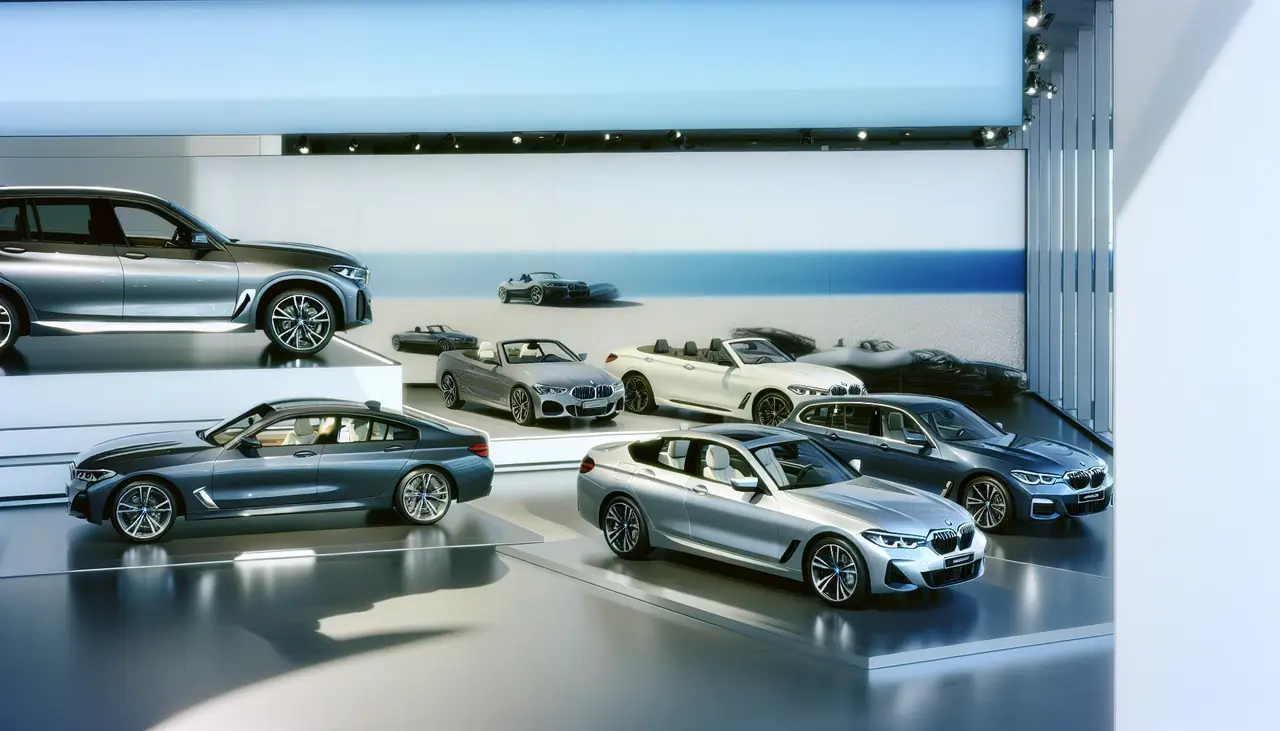 AI illustration
The short answer
Which innovations made BMW what it is today?
- BMW dates its founding to 7 March 1916 and started out building aircraft engines. Its first motorcycle, the R32 from 1923, introduced the boxer twin with shaft drive that BMW still builds today.
- BMW Motorsport GmbH, founded in 1972 and now BMW M GmbH, turned racing know-how into road cars. In 2013 the i3 was the first mainstream car with a passenger cell made largely of carbon-fibre-reinforced plastic.
- The Neue Klasse, which started with the iX3 built in Debrecen from late 2025, is BMW's next big step. In 2025 the BMW Group delivered 2,463,715 vehicles.
BMW officially dates its founding to 7 March 1916. The name itself goes back to 1917, when the aircraft engine maker Rapp Motorenwerke was renamed Bayerische Motoren Werke (Wikipedia). Its first product was the IIIa aircraft engine. More than a century later, the BMW Group delivered 2,463,715 vehicles in 2025, including 213,457 from BMW M and 202,563 motorcycles and scooters from BMW Motorrad (BMW Group). These are the milestones that made BMW what it is.
From aircraft engines to the boxer twin
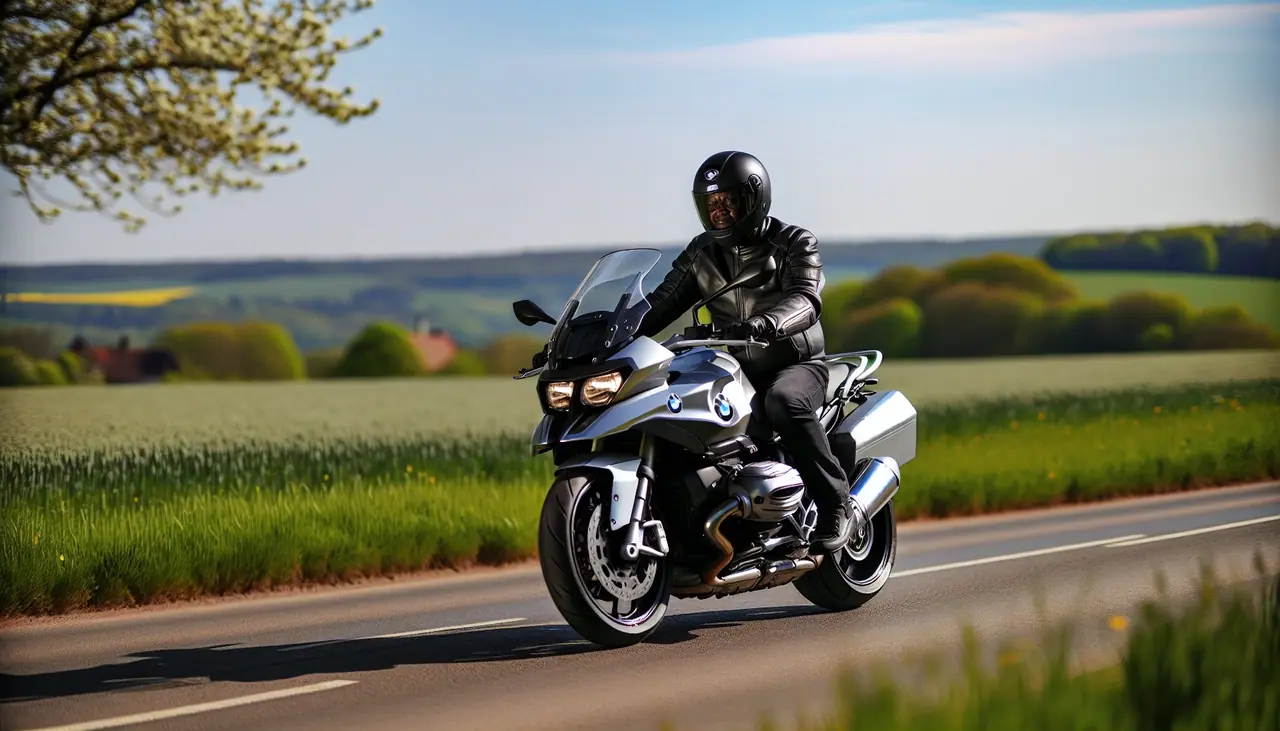
The first BMW motorcycle, the R32, went into production in 1923. It had a twin-cylinder boxer engine and shaft drive, features that live on in BMW bikes today (CarsGuide). BMW only got into cars in 1928, when it bought the Eisenach car factory. The factory was building the Dixi, a licensed copy of the Austin Seven, and BMW renamed it the 3/15. BMW's first car of its own design followed in 1932 (CarsGuide, Wikipedia).
M: racing know-how for the road
On 1 May 1972 a 35-person team under Jochen Neerpasch became BMW Motorsport GmbH (BMW M). The 3.0 CSL, which BMW M calls the "first real M", won the European Touring Car Championship with Toine Hezemans in its very first season. Over time the motorsport company also began building road cars, and today it's called BMW M GmbH. In 2025 it set a sales record with 213,457 cars (BMW Group).
BMW started with aircraft engines. The boxer twin it built in 1923 still powers its motorcycles today.
Electric: from the i3 to the Neue Klasse
The i3, launched in 2013, was BMW's first mass-produced electric car. Its passenger cell was made of carbon-fibre-reinforced plastic and bonded to an aluminium chassis (Wikipedia). According to Automotive World, this made BMW the first carmaker to launch a mainstream model with significant amounts of carbon fibre. The i3 was built until 2022.
The next step carries an old name. The original Neue Klasse of 1962 defined BMW's image for decades (InsideEVs). The new Neue Klasse starts with the electric iX3. Series production began in late October 2025 at the new plant in Debrecen, Hungary, the first BMW Group plant to build only electric cars (BMW Group). According to BMWBlog, the plant reached 50,000 cars in roughly nine months, the fastest production ramp-up for a new model in BMW Group history. An electric 3 Series saloon, the i3 Neue Klasse, follows from the Munich plant, where pre-series production started in February 2026 (EVXL). In 2025 electrified models made up 26% of BMW Group sales, and fully electric cars around 18% (BMW Group).
Art Cars: 50 years of rolling sculptures
In 1975 the racing driver and art auctioneer Hervé Poulain and BMW's motorsport boss Jochen Neerpasch asked the American artist Alexander Calder to paint a BMW 3.0 CSL. Poulain raced it at the 24 Hours of Le Mans that year (BMW Group, Motor1). Since then there have been 20 BMW Art Cars, with artists such as Frank Stella, Roy Lichtenstein and Andy Warhol. The most recent is Julie Mehretu's 2024 M Hybrid V8 (BMWBlog). From 29 July to 31 August 2026, all 20 were shown together for the first time, at BMW Welt in Munich (Motor1).
Where to see it
BMW Welt and the BMW Museum stand side by side at Am Olympiapark in Munich. Entry to BMW Welt is free. The museum charges admission (ADAC) and is open Tuesday to Sunday from 10 am to 6 pm, and closed on Mondays. The museum's bowl-shaped building has stood next to the BMW headquarters since 1973 (Auto Zeitung). Tours of the Munich plant next door can be booked through BMW Welt (ADAC). They're often fully booked, so book ahead (The Better Vacation). Check current prices and times on bmw-welt.com.
FAQ
When was BMW founded?
BMW gives 7 March 1916 as its official founding date. The name Bayerische Motoren Werke has existed since 1917, when Rapp Motorenwerke was renamed.
What does BMW stand for?
Bayerische Motoren Werke, in English Bavarian Motor Works.
What was the first BMW car?
The 3/15, a licence-built Austin Seven that BMW took over with the Eisenach factory in 1928. The first BMW of its own design followed in 1932.
Is BMW Welt free?
Yes. Entry to BMW Welt is free. The BMW Museum next door charges admission.
Based on BMW Group figures and press reports, not on our own visit. The images are AI illustrations, not photos of real BMW sites. Sources: BMW Group 2025 deliveries, BMW Group (Neue Klasse, Debrecen), BMW Group press (Debrecen start), BMWBlog (iX3 ramp-up), InsideEVs, Wikipedia (History of BMW), Wikipedia (BMW i3), CarsGuide, BMW M (1972), Automotive World, BMW Group (Art Cars), Motor1 (Art Cars at BMW Welt), BMWBlog (Art Car history), EVXL (i3 pre-series), ADAC, The Better Vacation (plant tours), Auto Zeitung (BMW Museum), Familienurlaub-Info (opening hours).