Kia Sportage (2004–2010) problems and how to buy a good one.
Yes, if the underbody is sound. Check the rear subframe for rust, the diesel timing belt, injectors and flywheel, and the brake-light and ABS recalls.
The short answer
What are the common problems with the 2004–2010 Kia Sportage, and is a used one still a good buy?
- The second Kia Sportage (2004–2010) is a cheap, practical and mostly dependable SUV; 2008-built cars still pass the British MOT slightly more often than the average 16-year-old car.
- The risks are rust on the rear subframe and underbody, the timing belt on every engine, injectors, turbo, EGR and the dual-mass flywheel on the 2.0 CRDi, worn suspension bushes and several brake-light and ABS recalls.
- Buy a facelift car from August 2008 with belt history and a solid underbody; in the US, check that both ABS module recalls on 2008–2009 models (16V-815 and 22V-800) have been done.
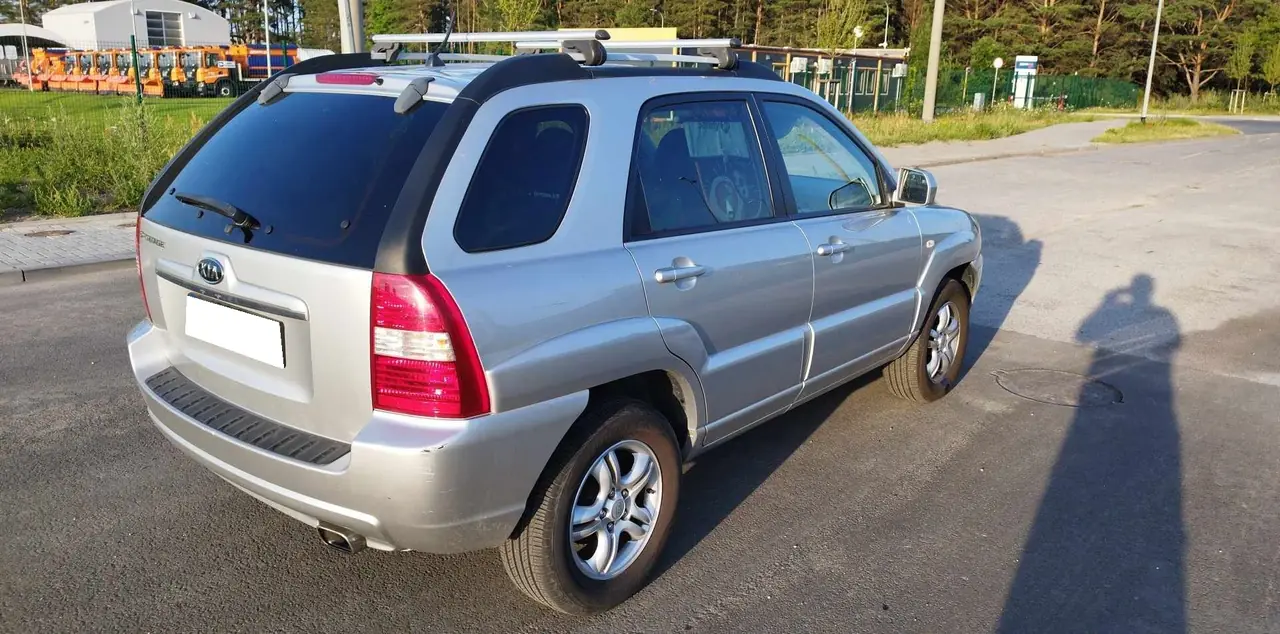
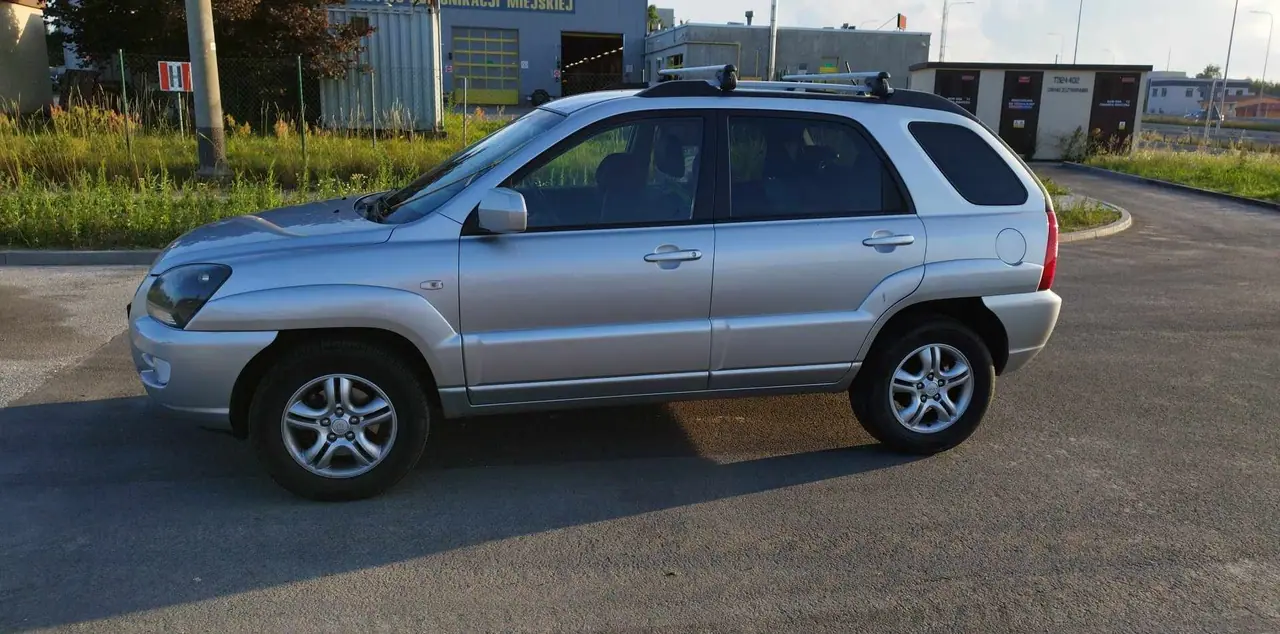
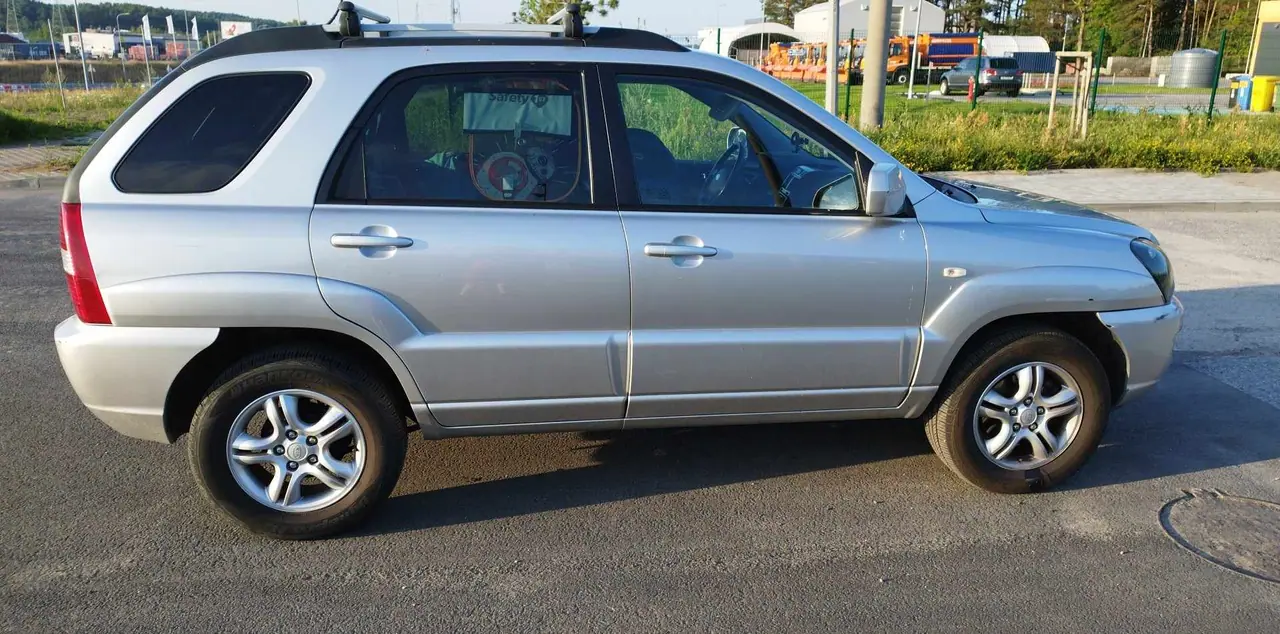
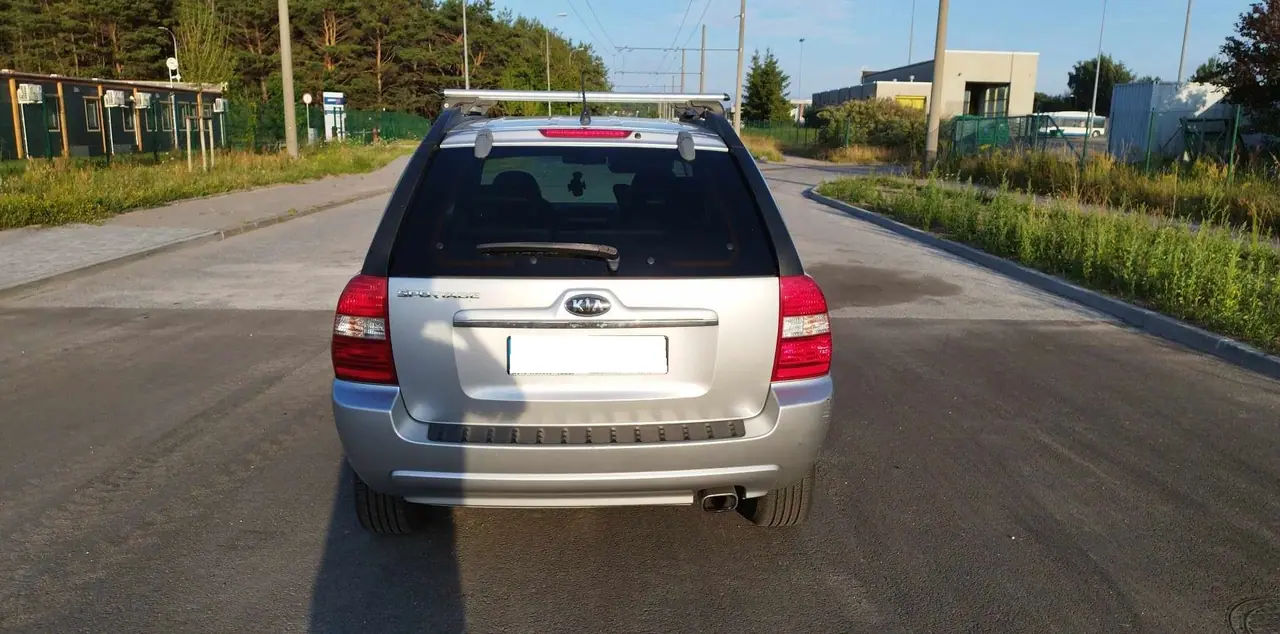
The second Kia Sportage reached European showrooms in December 2004 (NewCarNet). It shares its platform, its engines and most of its hardware with the Hyundai Tucson. Inside Kia it is known as JE, and in some markets as KM. It was replaced by the third Sportage in 2010.
This guide covers the common Kia Sportage problems engine by engine, what the MOT and inspection data say, the recalls to check, the 2005–2010 US models, prices and which version to buy. In short: the mechanicals are simple and robust, but at this age the combination of rust underneath, belt history and a long list of brake-related recalls decides whether a used one is a bargain or a liability.
The Kia Sportage (2004–2010) at a glance
- December 2004: the second Sportage arrived with 2.0 and 2.7 V6 petrol engines and a 2.0 CRDi diesel (NewCarNet). UK dealers got it in January 2005 (Auto Express).
- January 2006: a high-output 2.0 CRDi raised power from 111 bhp to 138 bhp (NewCarNet).
- October 2007: all 2.0 CRDi models got the 138 bhp engine and a six-speed manual instead of the five-speed, and a front-wheel-drive version arrived (NewCarNet, Auto Express).
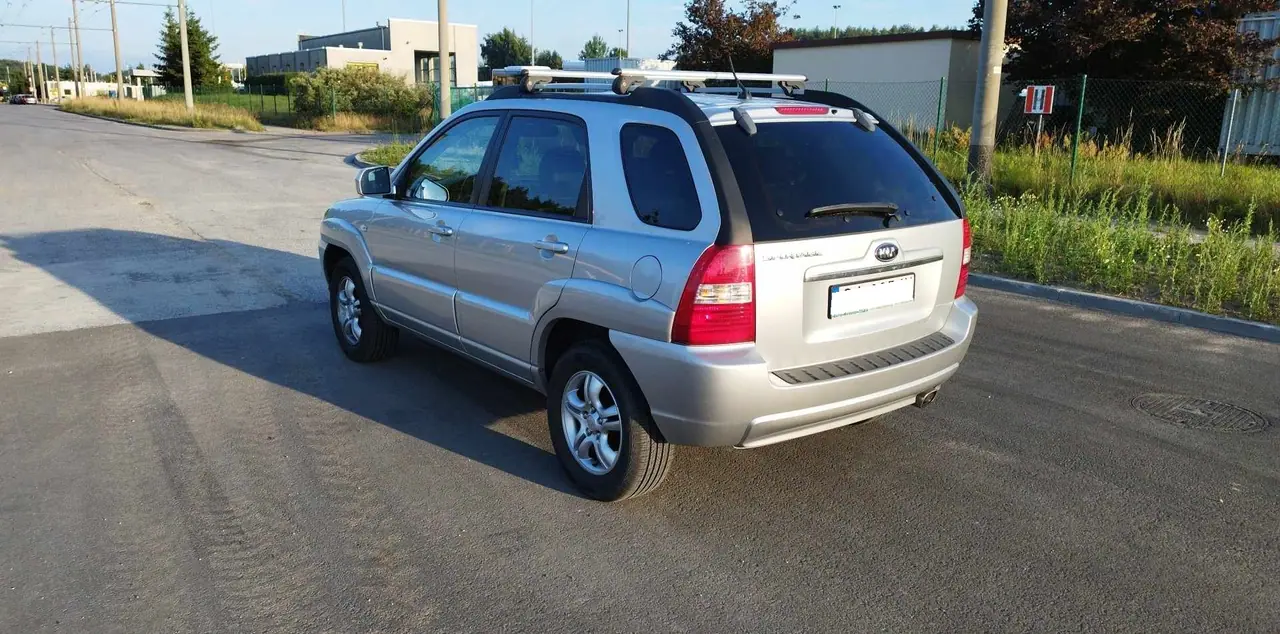
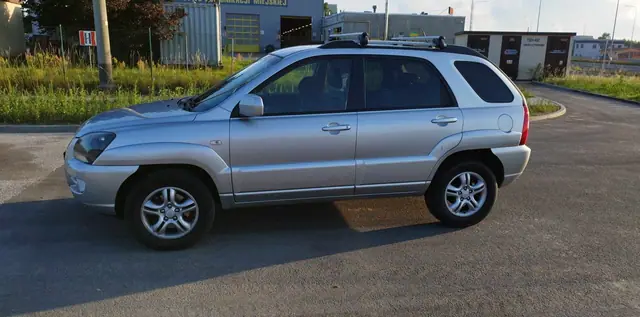
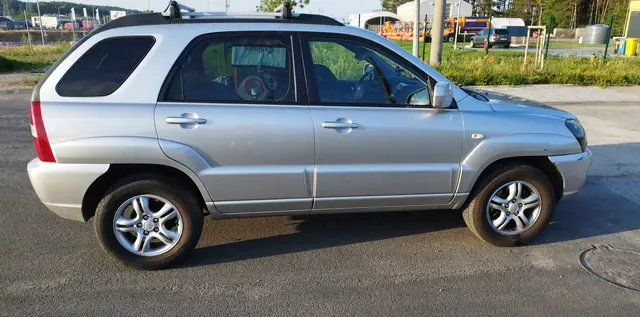
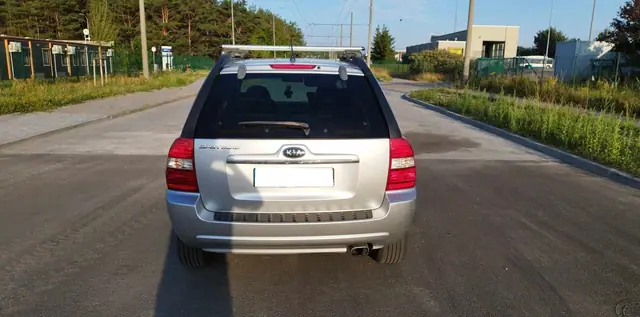
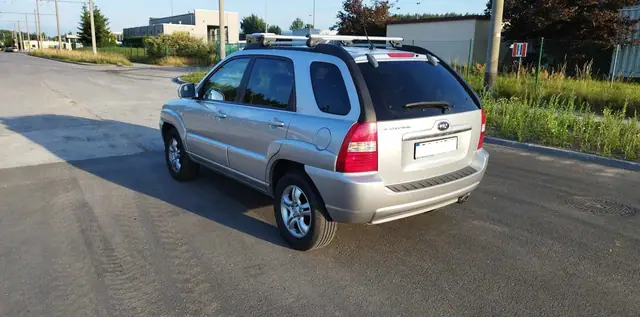
- August 2008: a facelift brought a new grille, headlights, tail lights and alloys, modified wheel arches and more standard equipment (NewCarNet).
- 2010: the third-generation Sportage took over. In the UK, Kia's seven-year warranty applied to cars from 1 January 2010 (Auto Express).
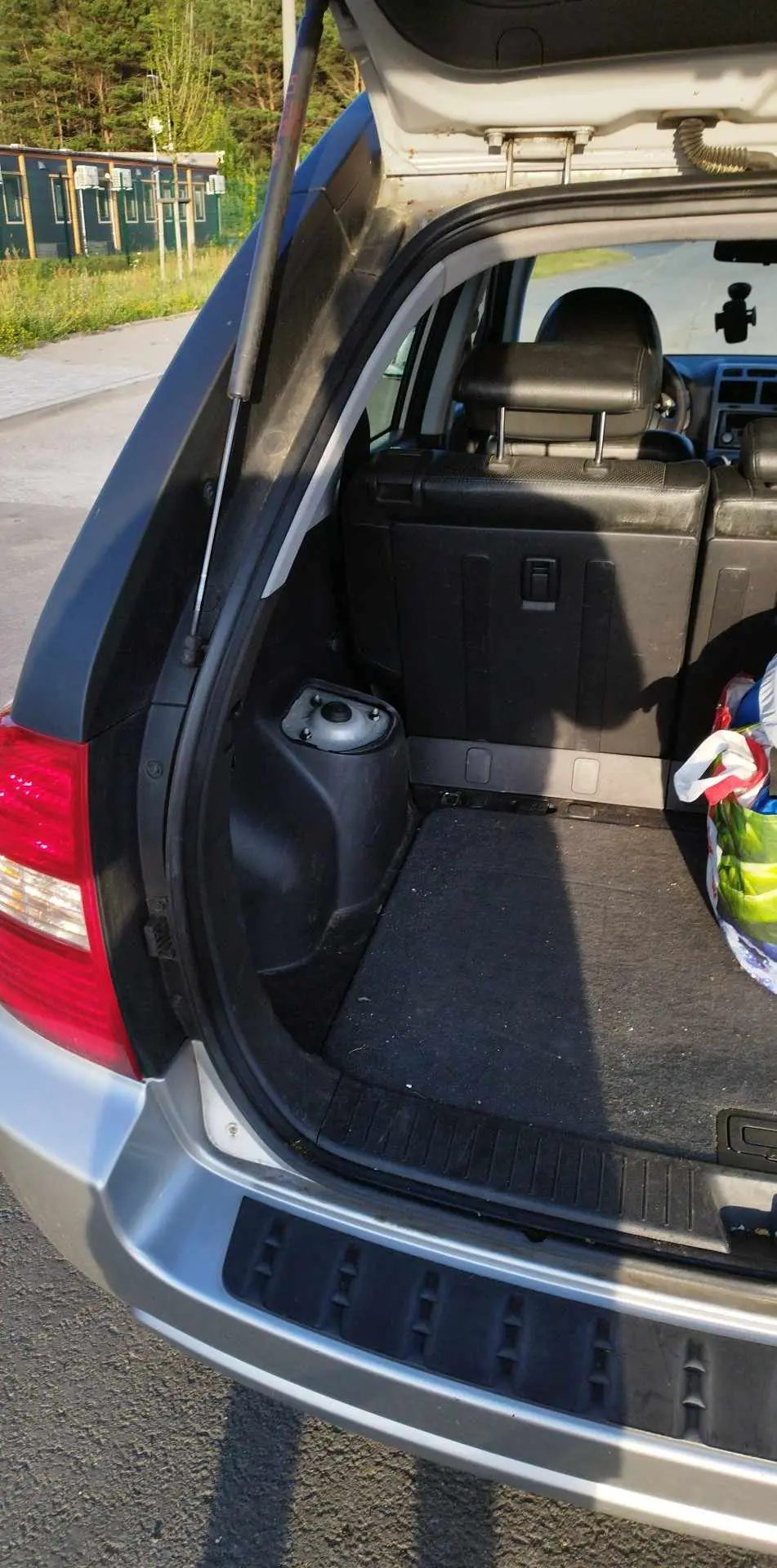
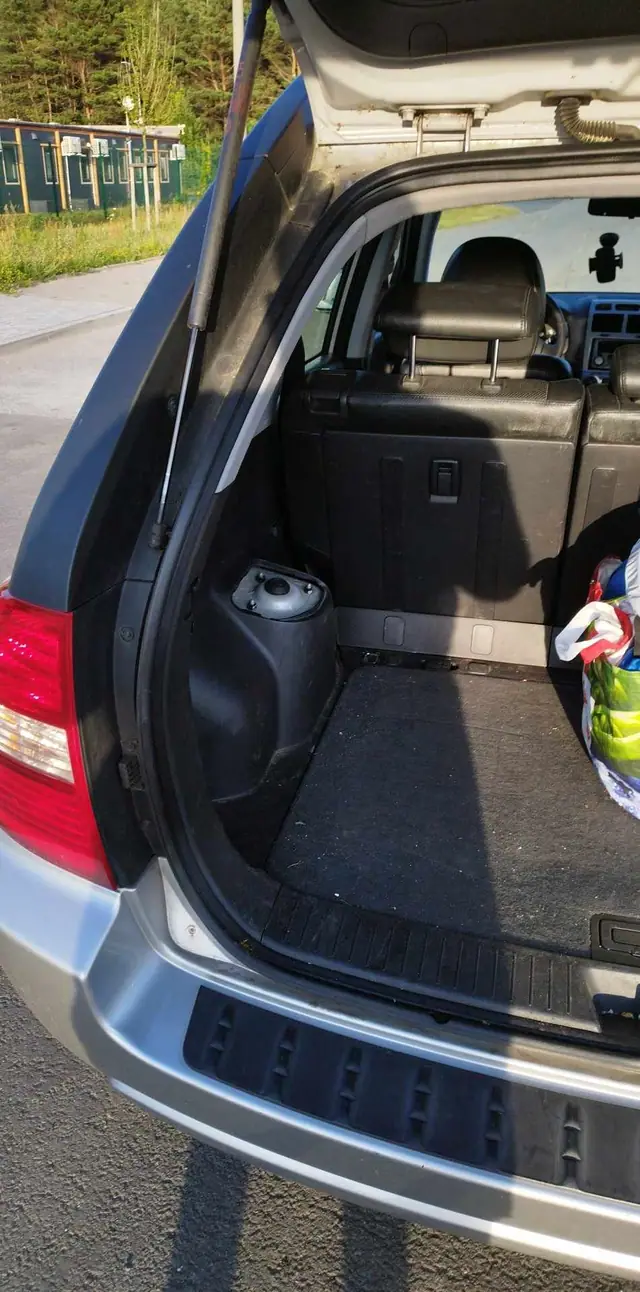
The Sportage is 4.35 metres long, and the boot holds 332 to 1,411 litres (autoplenum). With brakes, it can tow up to 1,500 kg (CarsGuide, Australian-market figure).
Engines and specs
| Engine | Power | Gearbox | Notes |
|---|---|---|---|
| 2.0 CVVT petrol (G4GC) | 141 PS | 5-speed manual or 4-speed automatic | timing belt; CVVT valve; head gasket on 2005–2007 cars |
| 2.7 V6 petrol | 173 hp (US) | 4-speed automatic; manual in some markets | throttle position sensor on early cars |
| 2.0 CRDi diesel (D4EA) | 112 PS | 5-speed manual or 4-speed automatic | slow; timing belt |
| 2.0 CRDi VGT diesel | 140 PS | 5-speed, from October 2007 6-speed manual | turbo, EGR, DPF, flywheel |
Sources: NewCarNet, Auto Express, Car Checker, KBB, autoplenum. All four-wheel-drive Sportages use a part-time system that sends power to all four wheels only when needed (Auto Express).
Which engine for which driver
The RAC recommends the diesel for its torque and easy driving, and calls the V6 the most fun but the thirstiest. The early 112 PS diesel is slow – 13.1 seconds to 100 km/h with front-wheel drive and 16.1 seconds as a 4x4 automatic (auto-abc.eu) – while the 140 PS version is much more relaxed. Auto Express says the diesels are the cheapest to run but describes the petrols as more reliable, so a low-mileage petrol can work out cheaper to own.
Gearboxes and four-wheel drive
Car Checker rates the manual gearboxes as more reliable than the four-speed automatic. NewCarNet warns that the manual gearchange can become very stiff and that a noisy gearbox, or even complete failure, is not unknown. The part-time four-wheel drive copes with mud and snow, and Auto Express calls the Sportage very capable at towing and off-roading – but the RAC advises against cars that have been used hard off-road.
Fuel economy
Kia quotes 8.2 l/100 km combined for the 2.0 petrol (10.6 urban, 6.8 extra-urban, 194 g/km CO2), and about 7 to 8 l/100 km for the diesels (autoplenum, auto-abc.eu, manufacturer data). In the US, KBB lists 19 to 21 mpg combined for the 2005 model, which means roughly 11 to 12 l/100 km.
Living with it
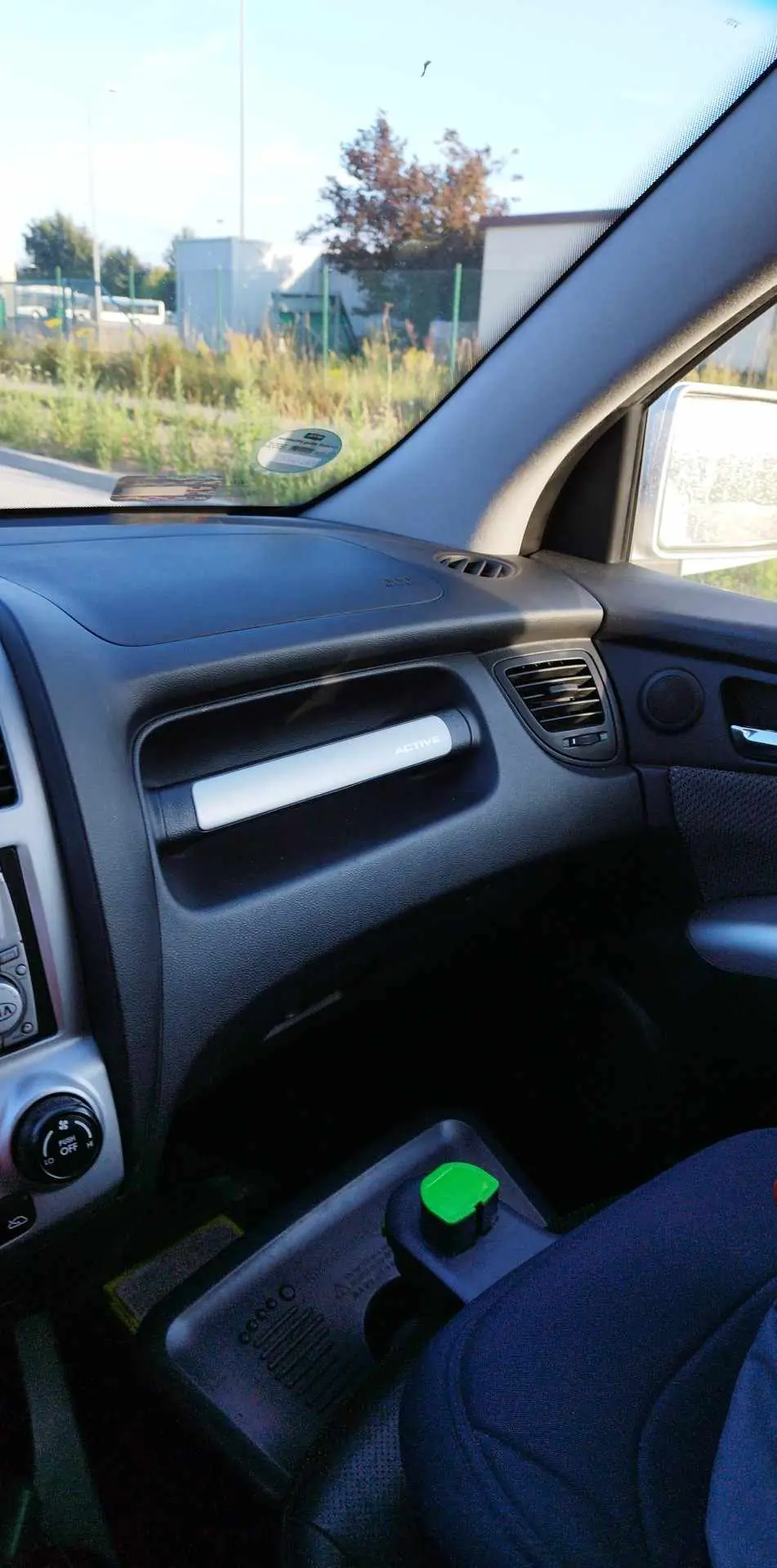
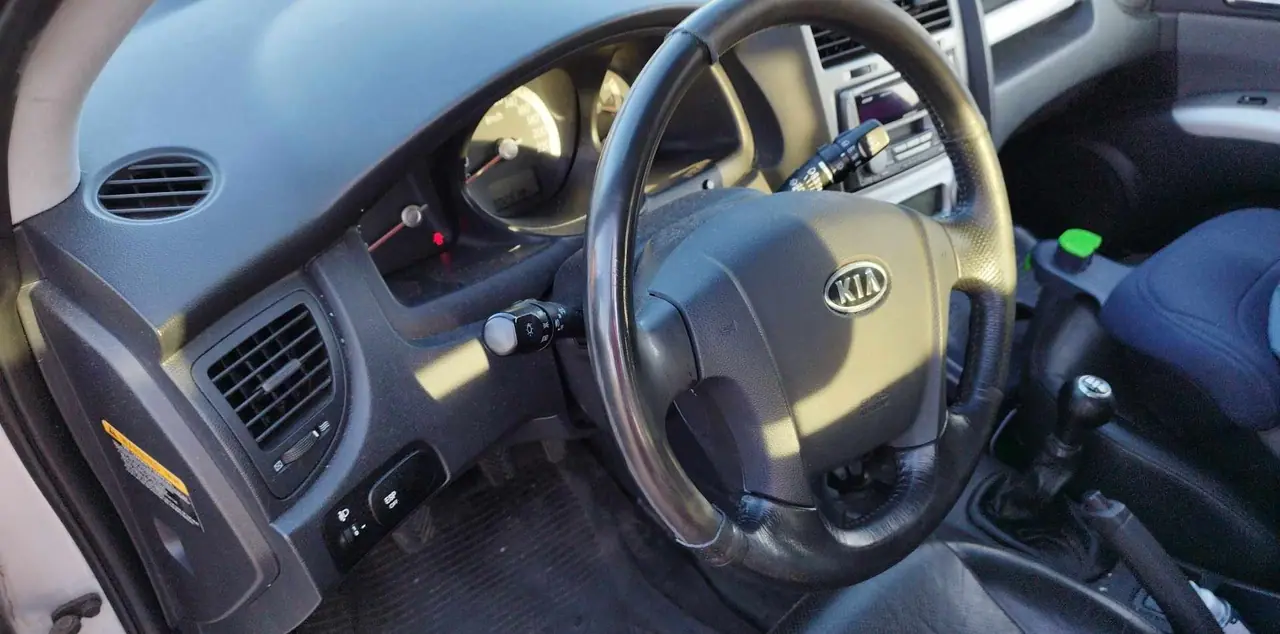
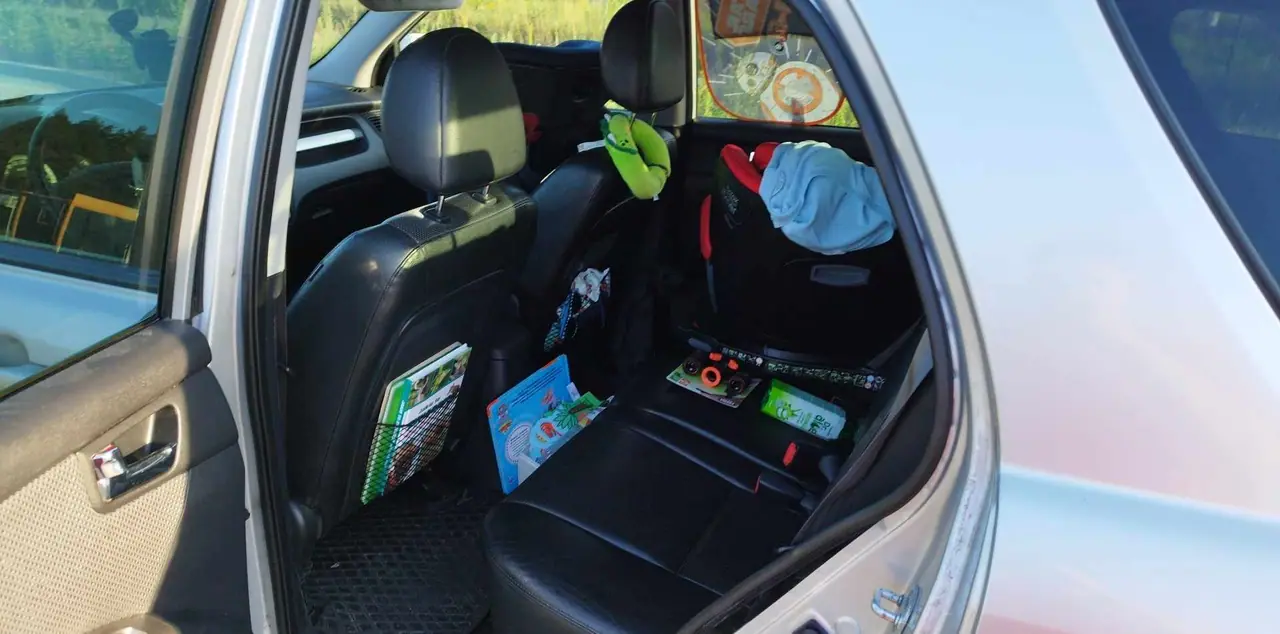
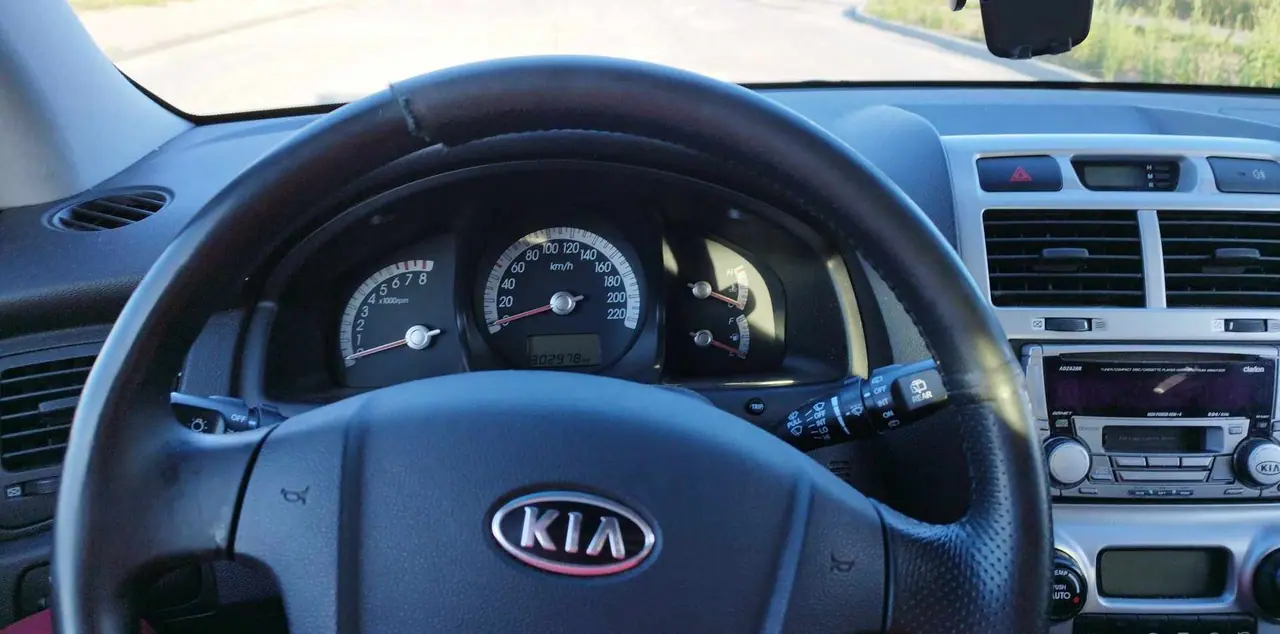
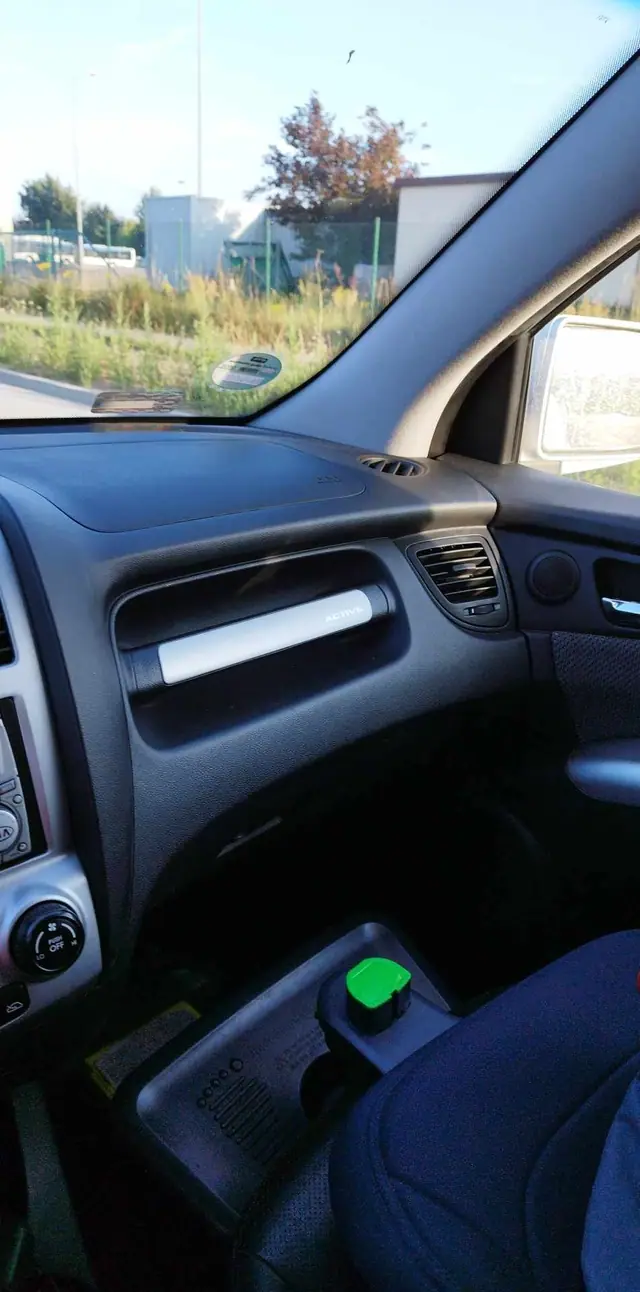
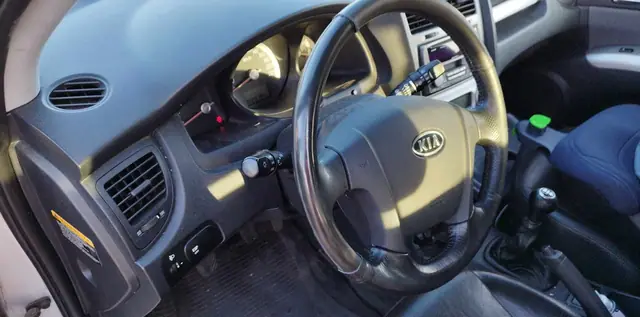
The Sportage is a straightforward family SUV: a spacious cabin, lots of equipment and easy to drive. Even the entry-level UK XE has air conditioning, electric windows and alloys, and the XS (later Titan) adds climate and cruise control, leather and heated front seats (Auto Express). Parkers praises the good diesel, the rear space and the long warranty, but criticises the weak brand image, cheap-feeling cabin trim and poor handling on early cars.
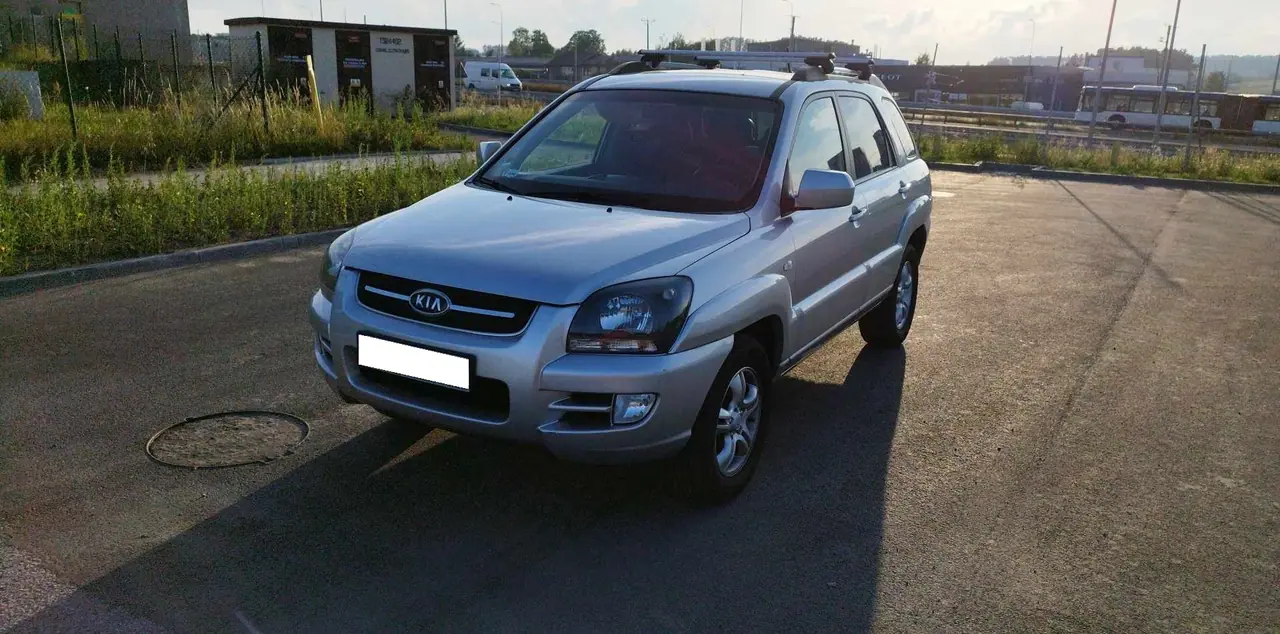
Auto Express says it makes sense to buy the newest one you can afford, and at least a facelift car from August 2008: it gets a better stereo, an airbag cut-off switch and better driving manners. If you want a slightly more modern alternative from the same era, read our Nissan Qashqai J10 guide.
Reliability: MOT and inspection record
When it was new, the Sportage had a good name: NewCarNet and the RAC both list reliability as a strength, and US owners on KBB rate this generation 4.5 out of 5, with 91 percent recommending it (355 reviews). The British MOT data show how the cars hold up as they age:
| Age of 2008-built cars | MOT tests | Pass rate |
|---|---|---|
| 3 years | 3,113 | 83.8% |
| 6 years | 3,047 | 74.2% |
| 10 years | 1,997 | 63.0% |
| 16 years | 1,773 | 54.4% |
Source: passyourmot. At 16 years, the average for all cars of that age was 52.7 percent, so the Sportage was 1.7 points better. Suspension, lights and electrics, and brakes cause the most failures, and the average 16-year-old Sportage arrived with about 105,000 miles. CarHunch found 2008 diesels passing more often than petrols (76.4 against 72.3 percent).
The Dutch APK inspection data on autozine show the same trend: the number of defects per car falls from 6.7 for 2004 cars to 4.6 for 2009 cars, and the most frequent faults are worn tyres, tyre pressure and lights – maintenance items rather than design flaws.
Kia Sportage common problems: what goes wrong
Most Kia Sportage 2009 problems apply to every car of the 2004–2010 generation, because a 2009 car is a facelift model on the same platform. These are the common problems, roughly in order of how much they matter.
Rear subframe and underbody rust
This is the most important check on any Sportage. Car Checker calls the rear subframe and crossmembers its top pre-purchase check, and says advanced corrosion can affect structural safety; repairs range from about €500 for cleaning and coating to €2,500 for a new subframe. In 2011, Kia UK issued a bulletin for cars built from 27 May 2004 to 14 September 2009: the rear floor side and cross members may lack enough anti-corrosion wax, and the fix is cavity wax, sealed joints and stone guard (australiancar.reviews). Put the car on a lift, and check the control arm mounts, brake lines and sills too.
2.0 CRDi: timing belt, turbo and EGR
The diesel is an interference engine, so a snapped belt wrecks it. Car Checker gives an interval of 90,000 km or five years; belt, water pump, tensioner and idler cost about €400 to €700 at an independent garage, while repairing the damage after a failure can cost €2,000 to €4,500. The variable-geometry turbo can stick from soot, causing power loss and limp mode (cleaning €200 to €400, a new turbo up to €2,500), and the EGR valve clogs on cars used for short trips (€250 to €800).
Injectors and diesel particulate filter
NewCarNet warns that the diesel injectors can seize or fail. Car Checker puts one injector at €350 to €500 with calibration and several at up to €1,800. Euro 4 diesels from 2006 can have a particulate filter, which clogs with short urban trips in traffic; a forced regeneration costs €150 to €250, a replacement up to €2,000. Car Checker recommends this car for owners who drive longer distances.
Clutch and dual-mass flywheel
Auto Express warns that the clutch plates and dual-mass flywheel can wear prematurely on six-speed manual models with the diesel. Car Checker says the flywheel typically goes between 80,000 and 120,000 km: listen for a rattle at idle that stops when you press the clutch. The job takes six to eight hours because the front subframe has to come out, and costs about €800 to €1,500.
2.0 petrol: timing belt, CVVT valve and head gasket
The 2.0 petrol also has a timing belt, which Kia specifies every 90,000 km or 72 months, or every 60,000 km or 48 months under severe conditions (Car Checker). A clogged filter in the CVVT oil control valve causes rough cold starts and a P0011 code, usually after delayed oil changes; cleaning costs €50 to €100. Car Checker reports more head gasket failures on 2005–2007 cars than on 2008–2010 cars, and ageing coils and plug leads after 100,000 to 150,000 km.
2.7 V6: throttle sensor and reverse-gear code
In November 2007, Kia issued a service bulletin for V6 cars built from 28 October 2004 to 18 May 2007: incorrect throttle position sensor values can cause hesitation and a P0123 code, and the fix is an improved sensor (australiancar.reviews). A warning light with a reverse-gear code can be cured by reprogramming the transmission control module.
Suspension bushes
Car Checker reports worn rear trailing arm and stabiliser bushes, especially on cars built before November 2006: listen for squeaks and clunks over bumps and look for uneven rear tyre wear. A full rear bush refresh costs about €200 to €500. Suspension is also the top MOT failure category for these cars (passyourmot).
Brakes, brake lights and the ABS module
NewCarNet warns that the brake pad wear sensor doesn't always work, so the pads can wear into the discs: listen for grinding. Several recalls concern the brake-light switch (see Recalls), so check that the brake lights come on when you press the brake pedal and go off when you release it. On US 2008–2009 cars, an illuminated ABS warning light can be a sign of the module fault behind the fire recalls (Autoblog).
The Sportage will not impress anyone at the golf club. It will get you there, cheaply, for years.
Recalls
Auto Express counts four UK recalls, all related to braking:
- April 2005: the brakes could apply themselves; cars built up to February 2005 needed an ESP software update.
- August 2005: cars built before March 2005 could have a faulty handbrake ratchet. In Australia the handbrake recall covered cars built from 29 March to 18 May 2005 (australiancar.reviews).
- November 2009: cars built in September and October 2006 could lose their brake lights because of a failed switch.
- Brake lights again: cars built from September 2007 to January 2010 were recalled because the brake light might not come on or go off.
In 2008, Kia UK also took action on a plastic section of the fuel pipe that could crack (australiancar.reviews).
The ABS module (HECU) is the most serious issue. In the US, Kia recalled 2008–2009 Sportages built from 9 August 2007 to 13 May 2009 in 2016 (16V-815), because moisture and road salt could corrode the connector. In October 2022, the same 71,704 cars were recalled again (22V-800) after engine compartment fires, and owners were told to park outside and away from buildings until the repair is done (NHTSA, auto123). Australia had similar HECU recalls in 2017, 2023 and 2024 (australiancar.reviews).
Ask a Kia dealer to check every recall by VIN, and check national recall databases as well.
The 2005–2010 Kia Sportage in the US
In the US, the second Sportage was sold from the 2005 to the 2010 model year with petrol engines only:
| Engine | Power | Drive |
|---|---|---|
| 2.0 four-cylinder | 140 hp | FWD or AWD |
| 2.7 V6 | 173 hp | FWD or AWD |
Sources: KBB, Consumer Reports. Consumer Reports lists ABS, stability control and side-curtain airbags as standard. The IIHS rated the 2005–2010 Sportage "acceptable" in its moderate overlap and side tests, but its roof strength "poor"; head restraints were rated poor on early cars and good on 2010 models (IIHS, Edmunds, CarComplaints). NHTSA gave the 2010 model five stars in the frontal and side tests and four stars for rollover.
The two ABS module recalls (16V-815 and 22V-800) make the VIN check essential on any 2008 or 2009 car. KBB puts the fair purchase price of a 2005 Sportage in good condition at about $2,500 to $3,050.
Prices and running costs
Parkers lists UK used prices of £484 to £2,783; new, the Sportage cost £13,790 to £20,620. Road tax runs from £335 to £710 a year, and insurance groups are 18 to 23. In Germany, Car Checker sees a median asking price of about €4,400 for a 2.0 petrol with around 145,000 km and €4,500 for a 2.0 CRDi with around 165,000 km.
| Repair | Typical cost |
|---|---|
| Timing belt kit with water pump (diesel) | €400 to €700 |
| Timing belt (petrol) | €400 to €600 |
| Dual-mass flywheel and clutch | €800 to €1,500 |
| Injector, each (with calibration) | €350 to €500 |
| EGR valve clean or replace | €250 to €800 |
| Rear suspension bush refresh | €200 to €500 |
| Rear subframe repair or replacement | €800 to €2,500 |
Source: Car Checker (independent-garage prices). Car Checker estimates annual running costs at 15,000 km of about €600 to €1,200 for the petrol and €750 to €1,450 for the diesel, including a repair buffer.
Petrol or diesel?
The diesel suits long distances and towing; the petrol suits short trips and low mileage. In London's Ultra Low Emission Zone, diesels must meet Euro 6, so no diesel of this generation complies – check any car on Transport for London's vehicle checker before you buy (UK). Other cities and countries have their own low-emission rules; check them with the local authority.
Safety
Euro NCAP never crash-tested this Sportage. Its sister, the Hyundai Tucson, earned four stars for adult occupants, three for children and one for pedestrians in 2006 (Parkers, Fleet News). By today's standards that is weak, and the facelift added a passenger airbag cut-off switch in the UK (Auto Express). Check that the airbag and ABS warning lights go out after starting, and that the ESP recall has been done on early cars.
Which Kia Sportage should you buy?
- Best all-rounder: a 2.0 CRDi with 140 PS from a facelift year (August 2008 onwards), with the six-speed manual, documented belt changes and a solid underbody.
- Short trips: the 2.0 petrol – simpler, no DPF or EGR worries, and described by Auto Express as more reliable.
- Towing: the diesel, but check the brakes, clutch and transmission for wear (Auto Express).
- US buyers: a 2.0 or V6 with both ABS recalls done and no ABS warning light.
- Avoid: cars with rust in the rear subframe, no belt history, a rattling flywheel, a slipping automatic, or signs of heavy off-road use.
Buying checklist
- Put the car on a lift: rear subframe, crossmembers, control arm mounts, brake lines and sills.
- Ask for timing belt receipts; without them, budget for a new belt straight away.
- On a diesel, check for smoke, power loss at motorway speed and the DPF light.
- On a manual diesel, listen for flywheel rattle at idle.
- Test every gear, cold and warm, and listen for gearbox noise.
- Listen for grinding brakes and check that the brake lights work.
- Check the rear suspension for clunks and uneven tyre wear.
- Ask a Kia dealer to confirm all recalls by VIN, especially the brake-light and ABS ones.
- Check the MOT, APK or TÜV history for repeated advisories.
Verdict
The 2004–2010 Kia Sportage is a lot of practical SUV for little money, and a well-kept one still makes a sound used buy. Take a 140 PS 2.0 CRDi from 2008 onwards for long trips or a 2.0 petrol for short ones, and buy on the underbody and the paperwork, not the mileage. If you want more off-road ability and a stronger diesel, look at the 2012 Nissan X-Trail.
FAQ
Is the 2004–2010 Kia Sportage reliable?
Mostly yes. NewCarNet and the RAC name reliability as a strength, and 2008 cars still pass the MOT slightly more often than average at 16 years. The weak spots are underbody rust, belts, diesel injectors and flywheels, and brake-related recalls.
What are the most common Kia Sportage problems?
Rear subframe rust, timing belts, injectors, the turbo, EGR, DPF and dual-mass flywheel on the 2.0 CRDi, a stiff or noisy manual gearbox, worn rear suspension bushes, a faulty brake pad wear sensor and brake-light switch recalls.
Which Kia Sportage engine is best?
The 2.0 CRDi with 140 PS for long distances and towing; the 2.0 petrol for short trips. The early 112 PS diesel is slow, and the V6 is the thirstiest.
Is the 2009 Kia Sportage a good used buy?
Yes, if it is a well-kept car with a sound underbody and belt history. In the US, check that both ABS module recalls for 2008–2009 models have been done and that the ABS light is off.
Has the second-generation Kia Sportage been crash-tested?
Not by Euro NCAP; its sister, the Hyundai Tucson, received four stars for adult occupants. In the US, the IIHS rated it acceptable in front and side tests but poor for roof strength.
Based on manufacturer data, crash tests, MOT and inspection data and owner and workshop reports, not on our own test drive. Sources: NewCarNet, RAC, Auto Express (buyer's guide), Auto Express (used review), Parkers, Parkers (Hyundai Tucson safety), Fleet News, Car Checker (2.0 petrol), Car Checker (2.0 CRDi), australiancar.reviews, passyourmot, CarHunch, autozine, autoplenum, CarsGuide, auto-abc.eu, NHTSA (22V-800), auto123, Autoblog, KBB, IIHS, Consumer Reports (2010), Consumer Reports (2005), Edmunds, CarComplaints.