Porsche 911 SC
A solid body and a documented engine. Check sills, jacking points and battery boxes, head studs, chain tensioners, heat exchangers and the 915 gearbox.
The short answer
What should you check before buying a Porsche 911 SC (1978–1983)?
- The 911 SC was built from model year 1978 to 1983 with an air-cooled 3.0 flat-six (180, then 188 and from 1981 204 PS) as a coupé, Targa and, from 1983, Cabriolet.
- The engine is robust but needs care; check for broken head studs, rattling mechanical chain tensioners, oil leaks, rusty heat exchangers and worn 915 gearbox synchros.
- Despite the zinc-coated body, check sills, jacking points, door bottoms, A-pillars, windscreen frame and battery boxes; Elferspot quotes prices from about €35,000 to €90,000.
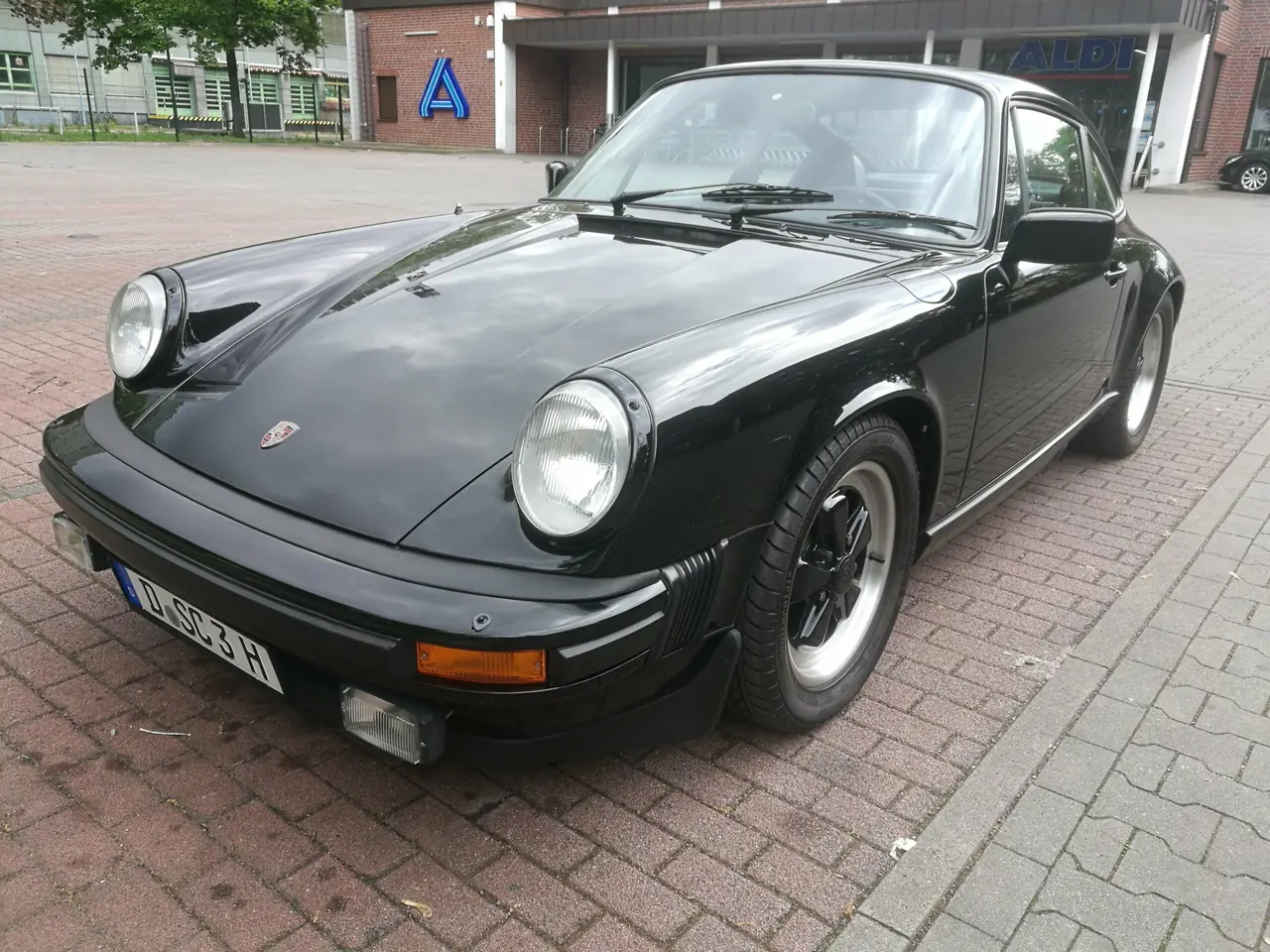
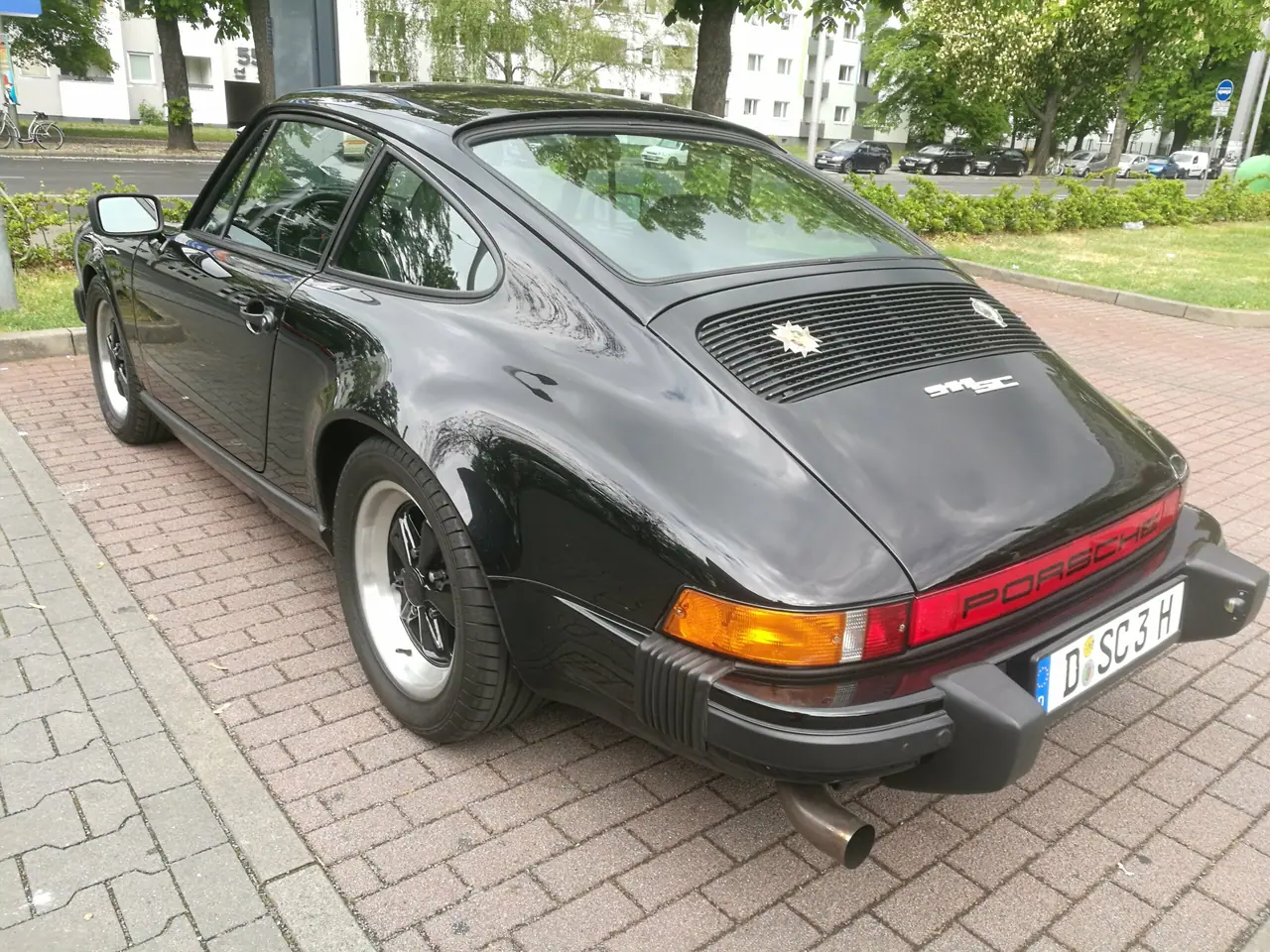
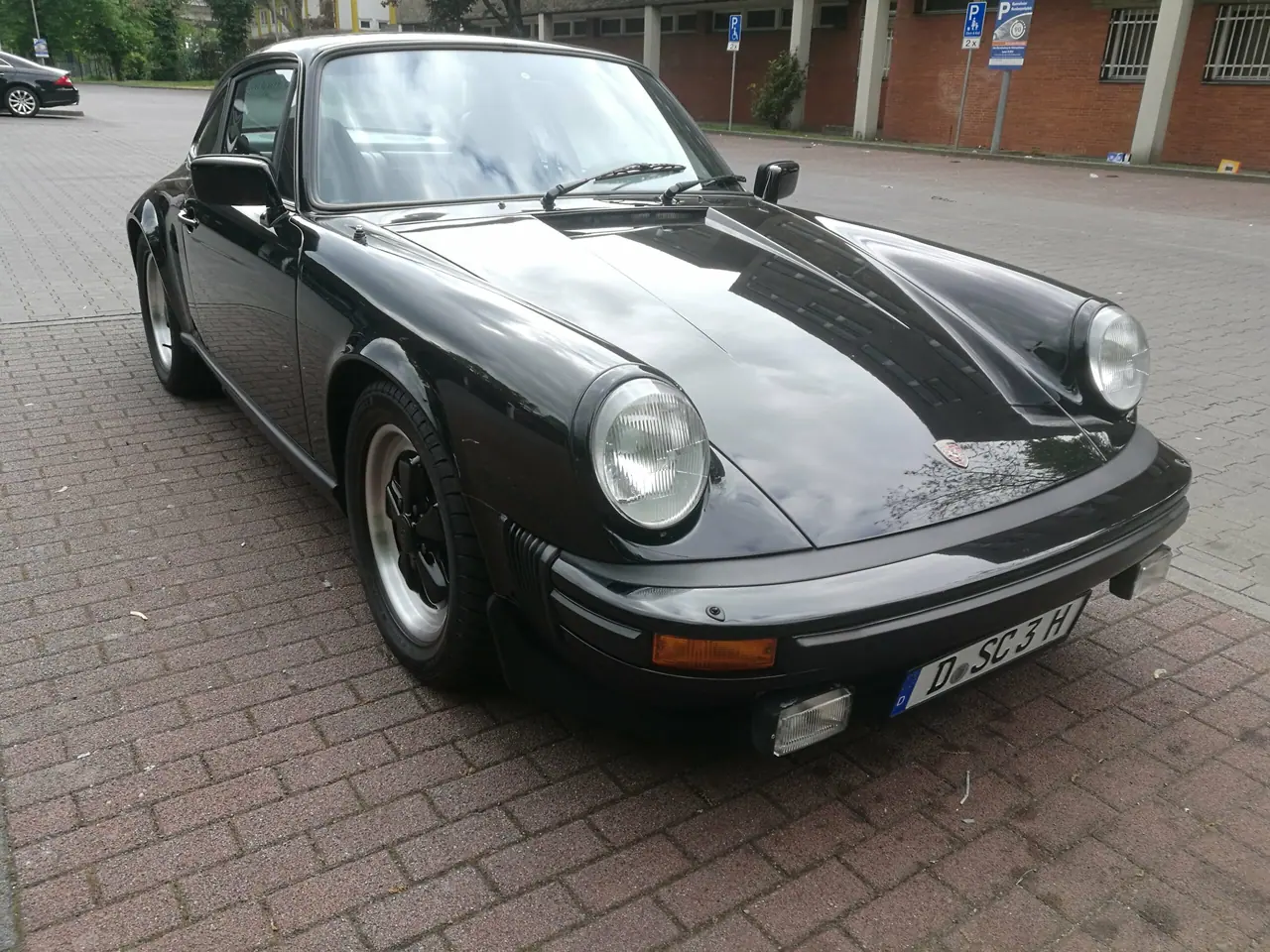
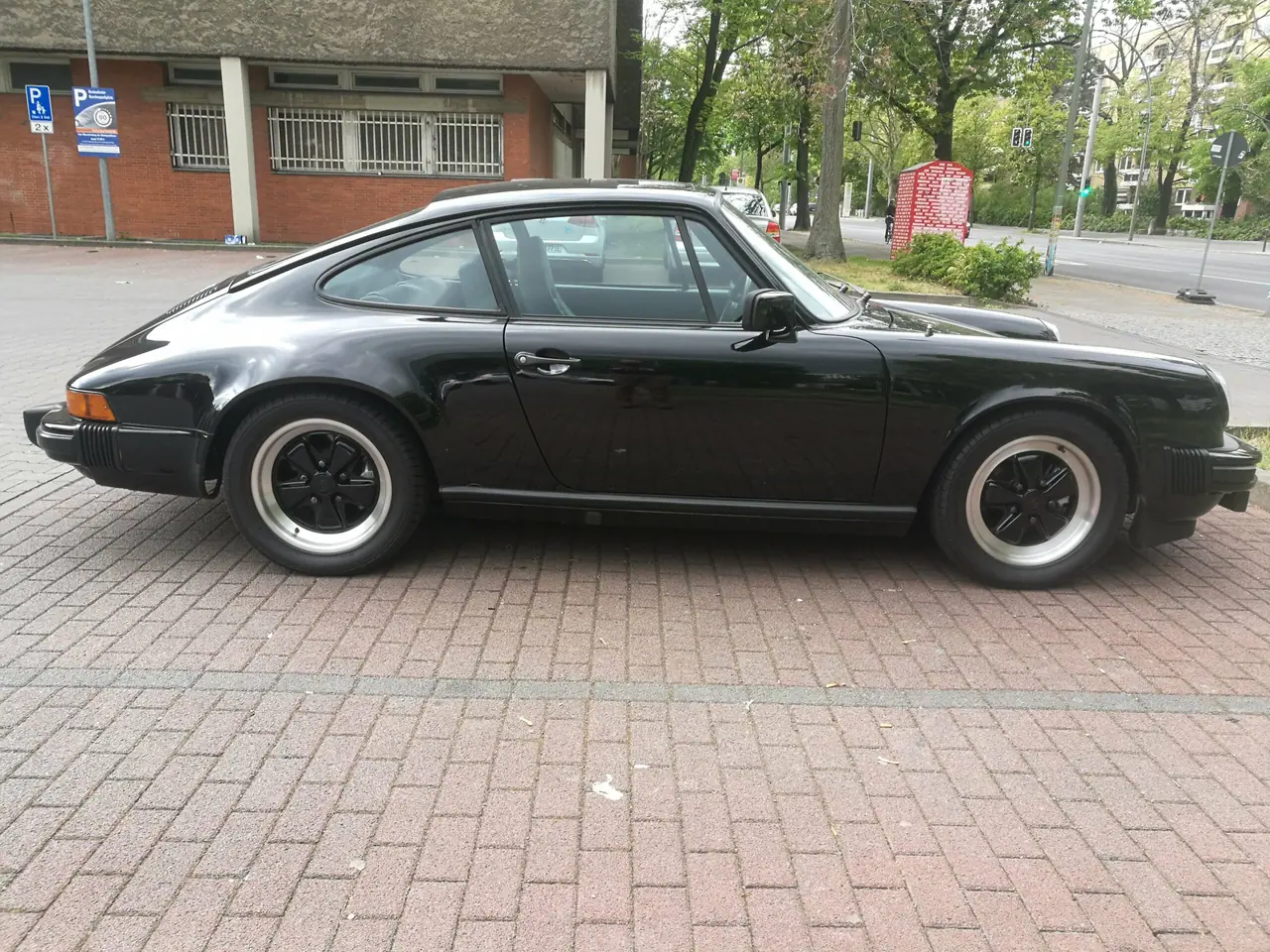
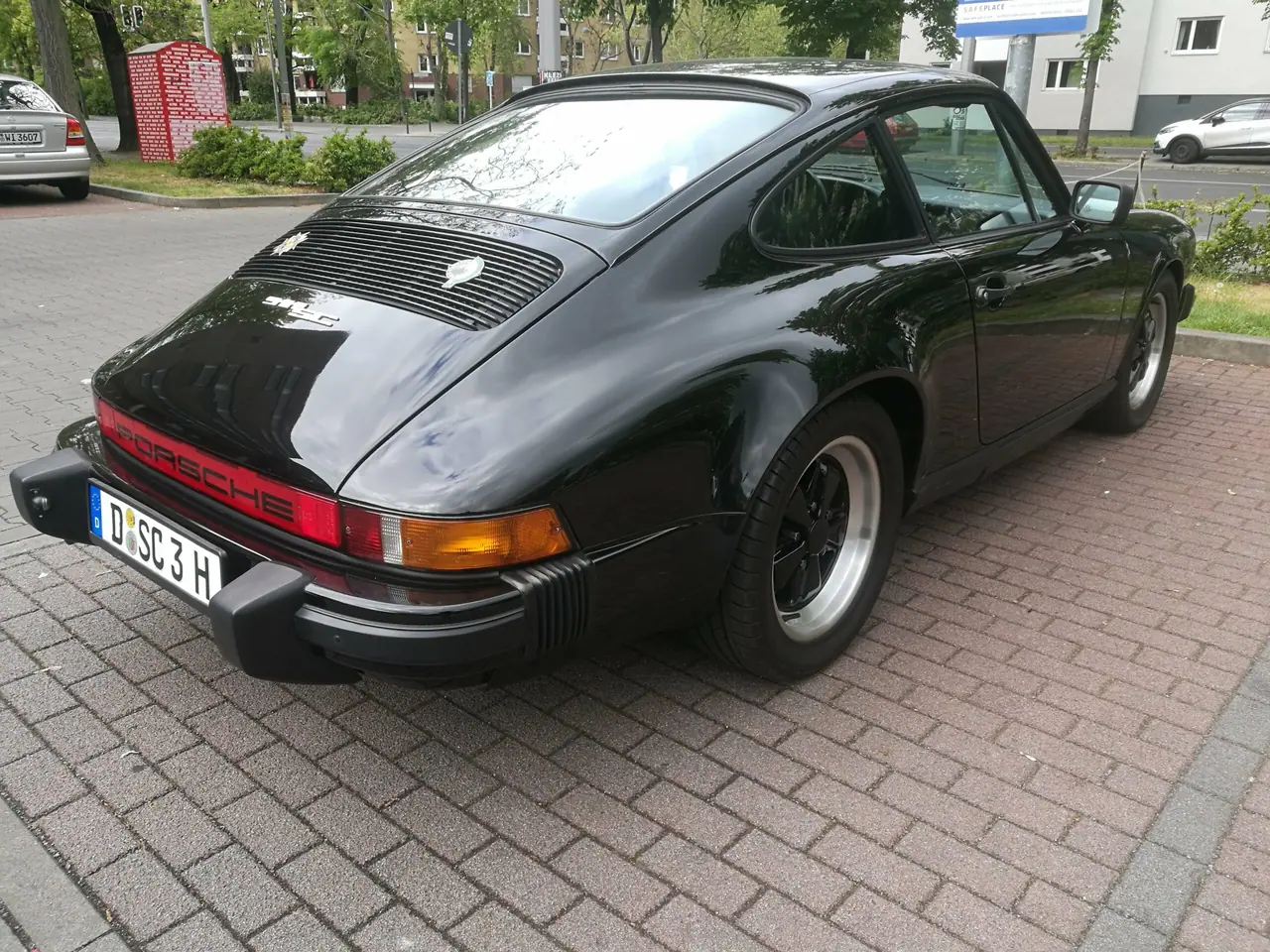
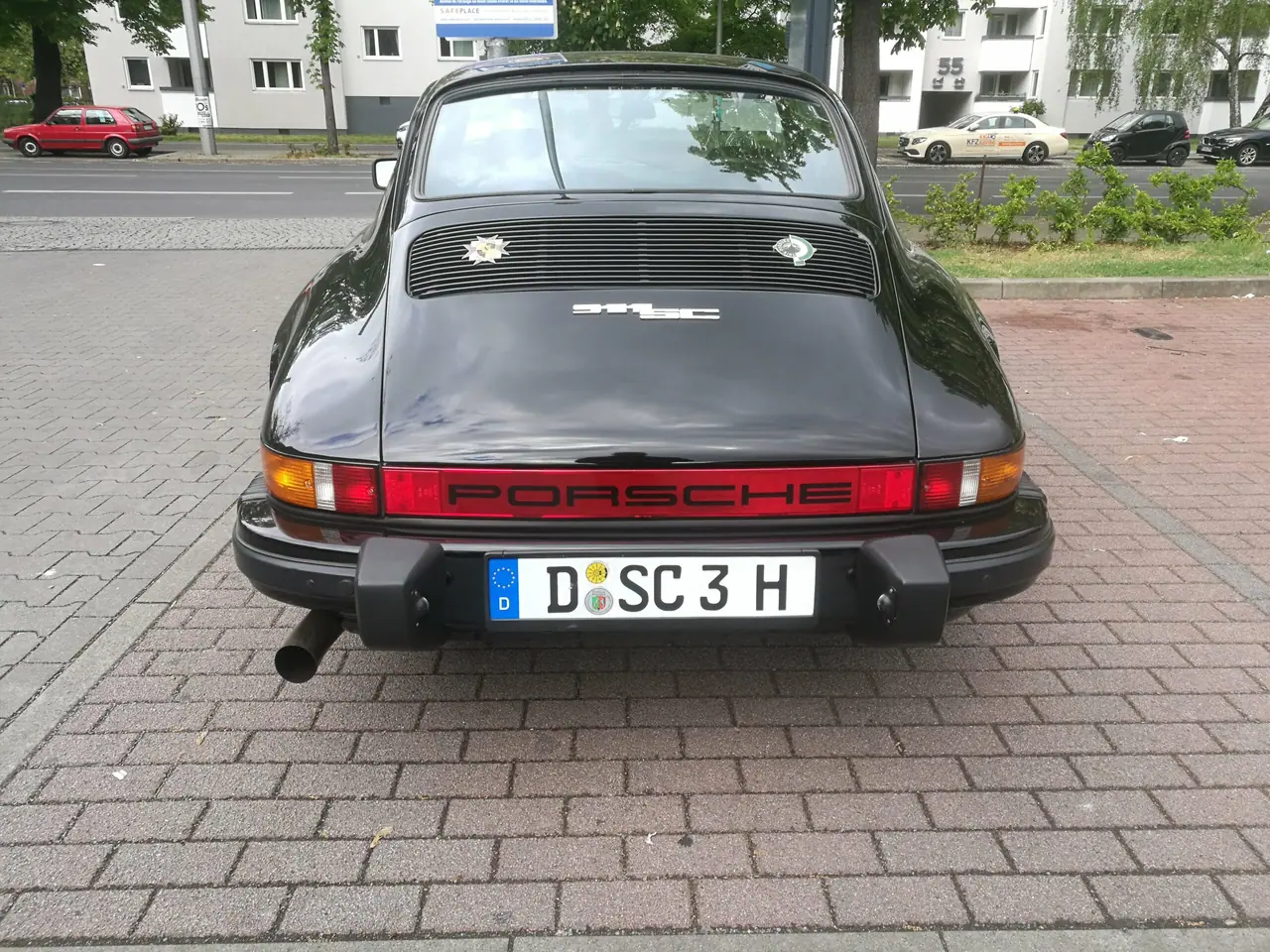
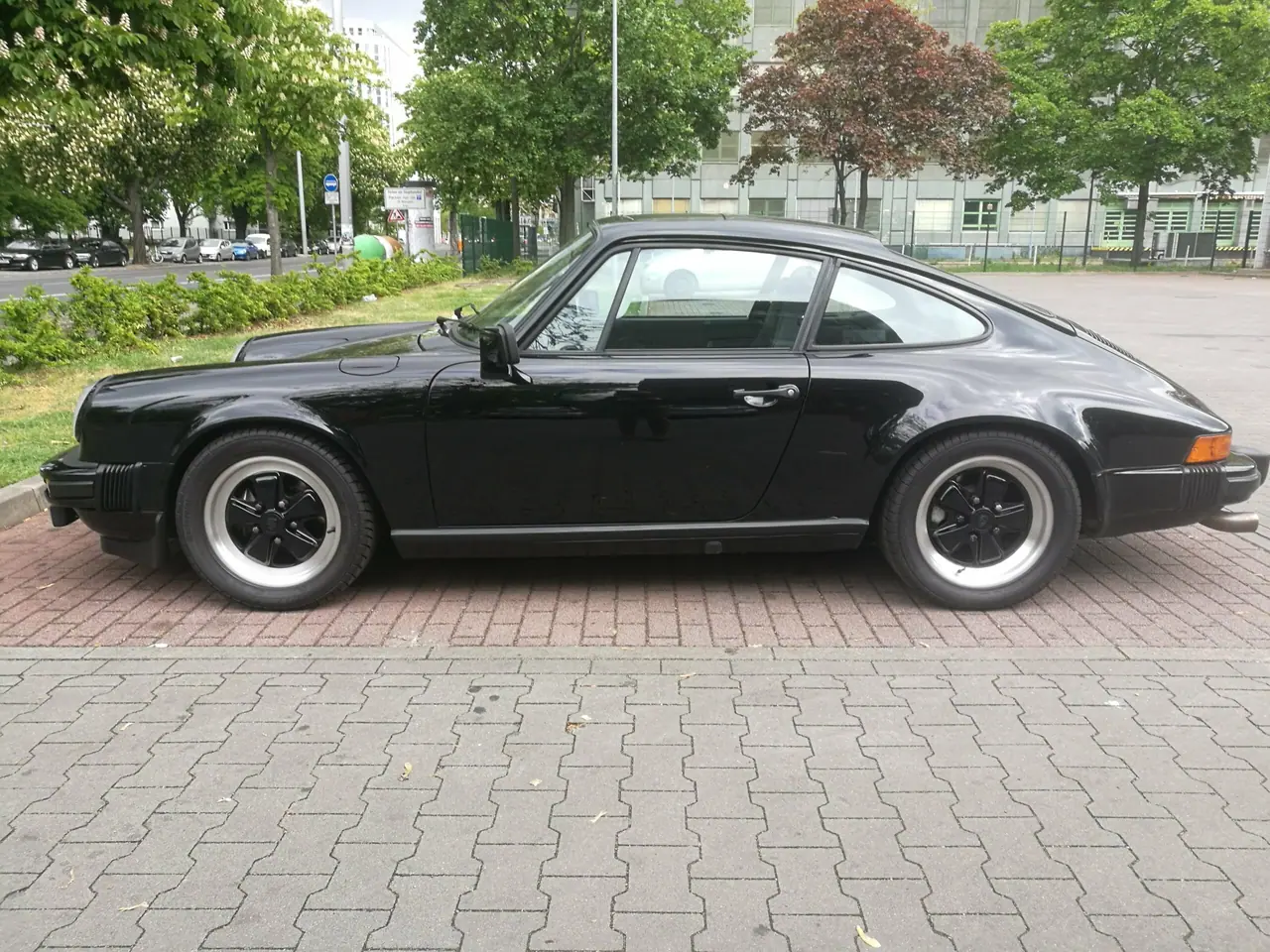
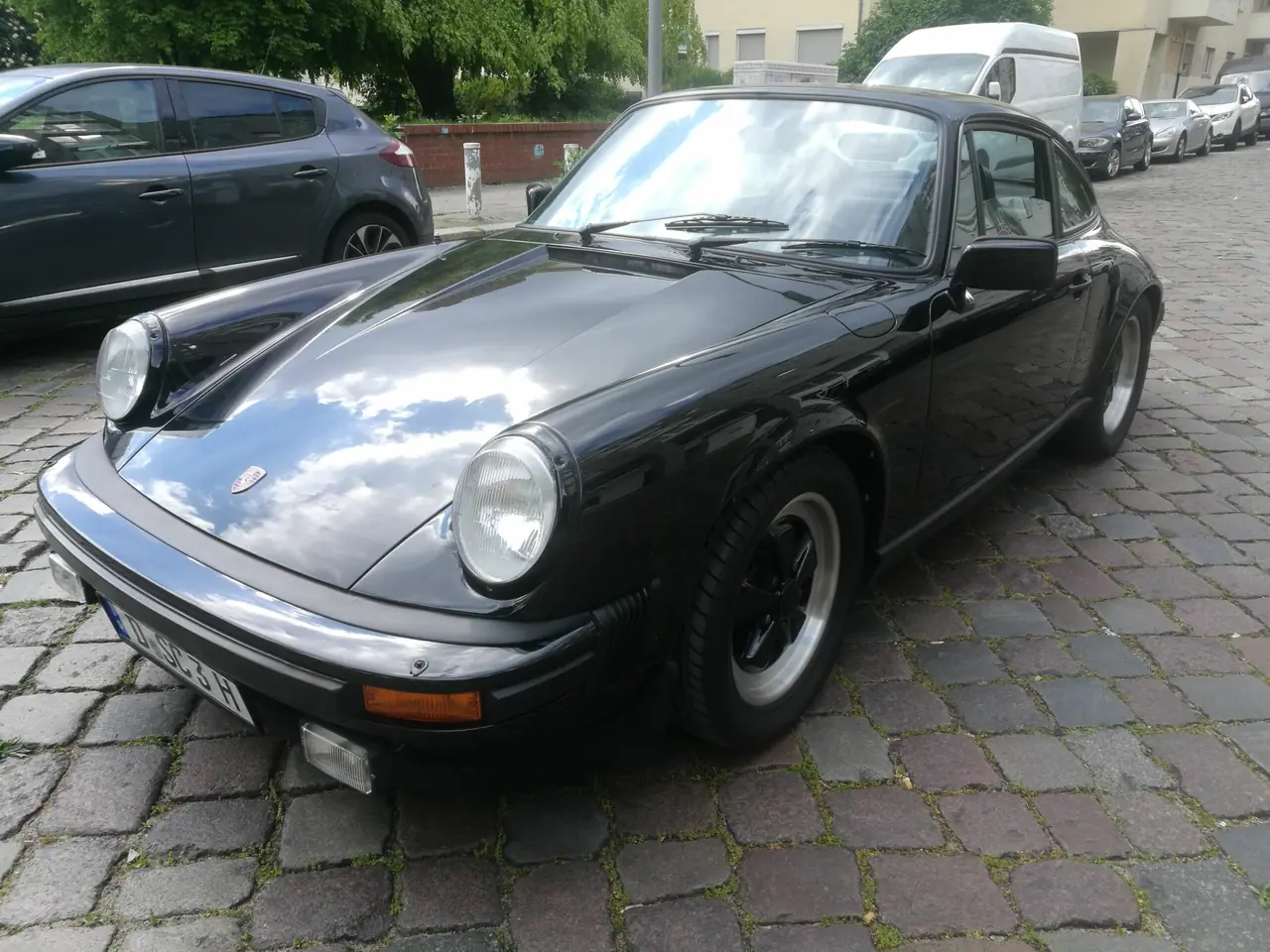
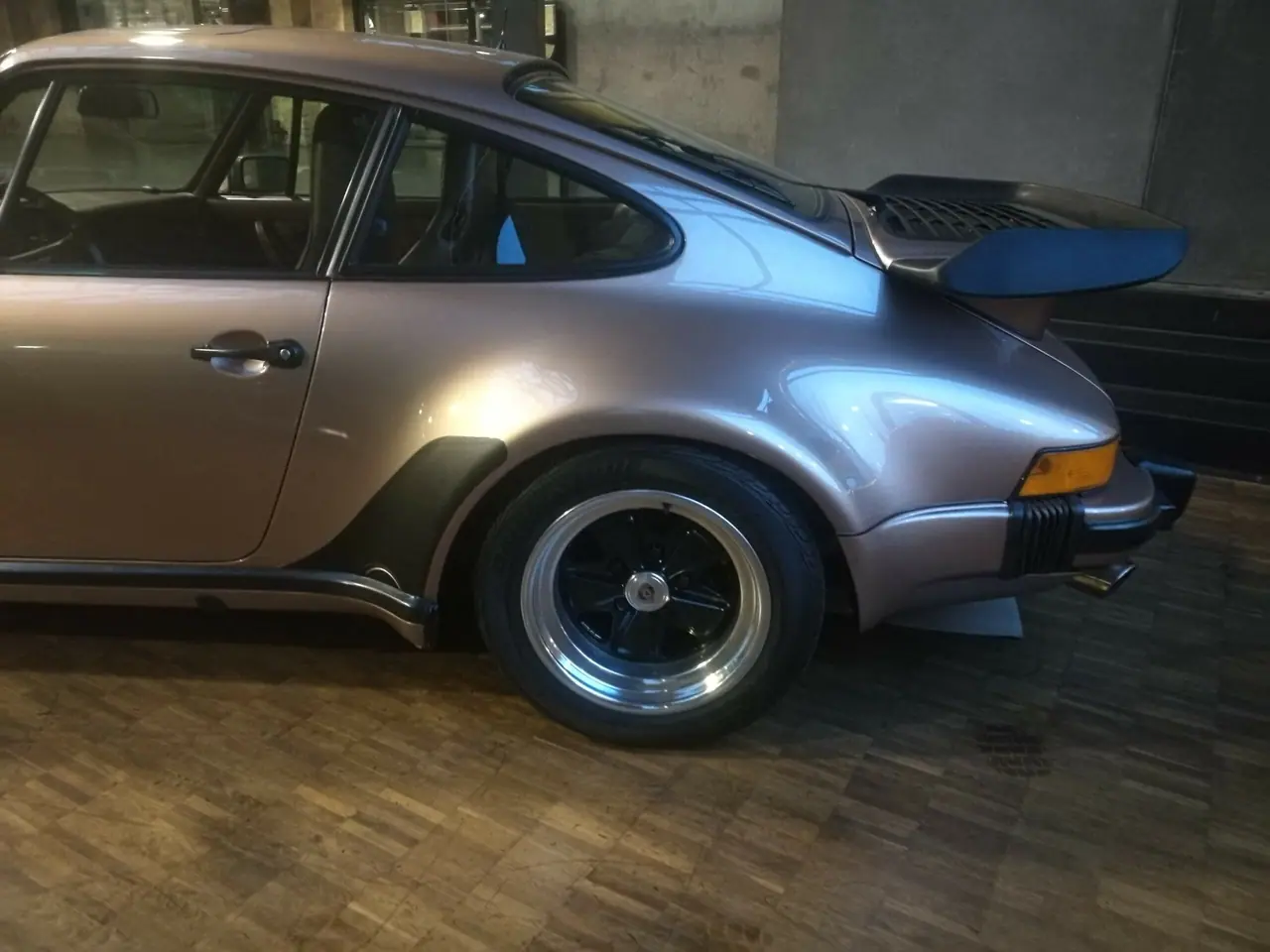
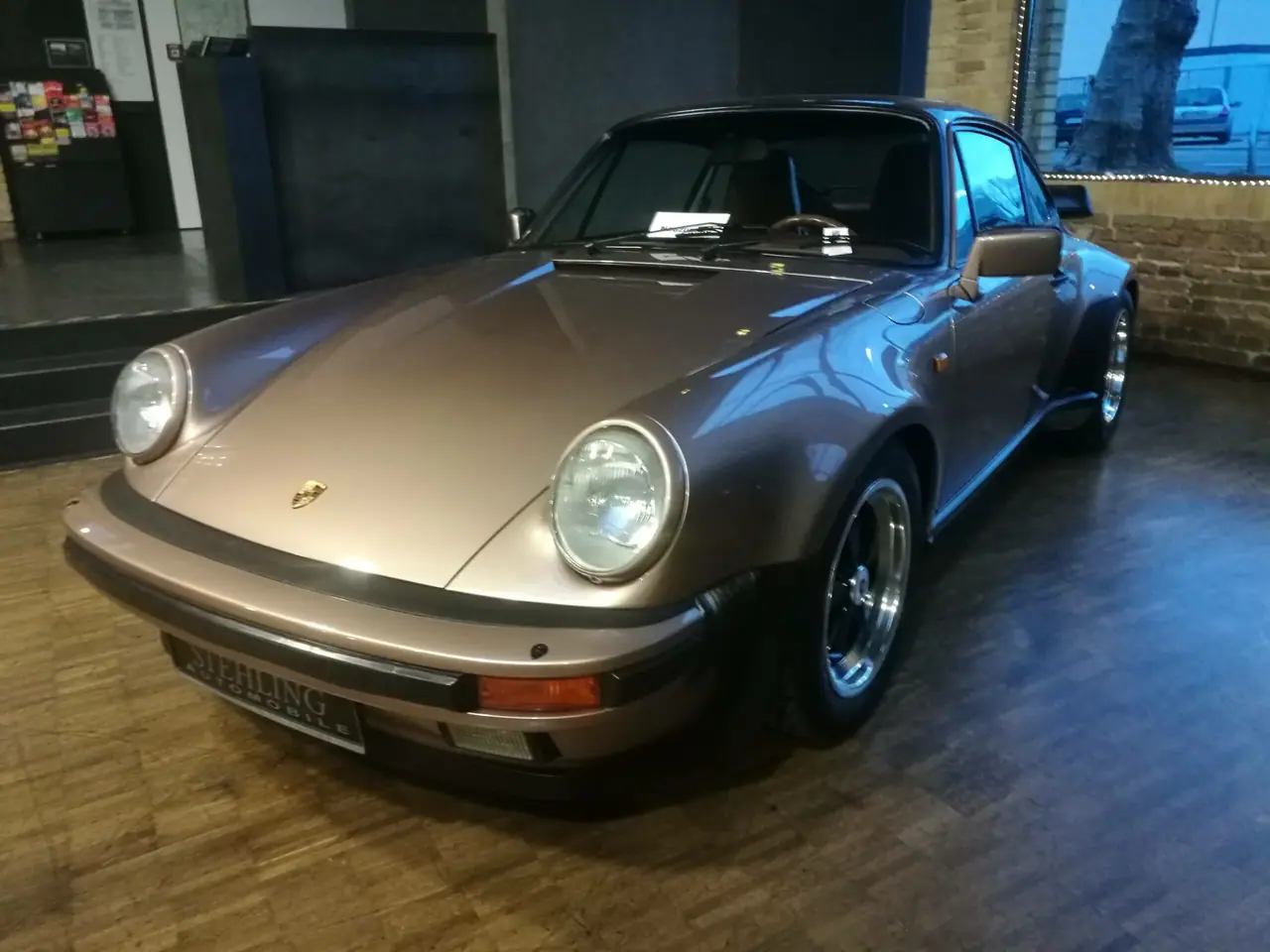
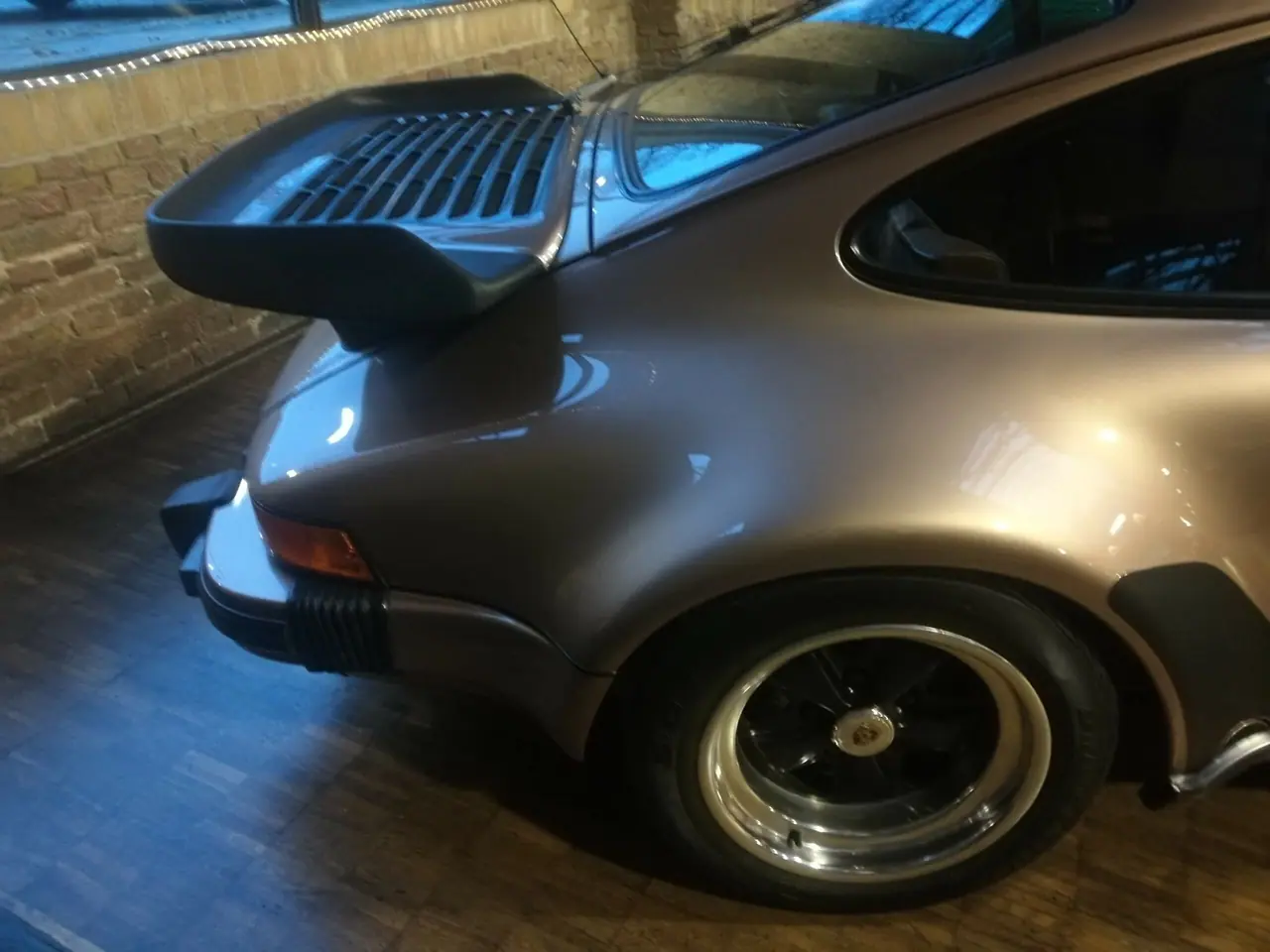
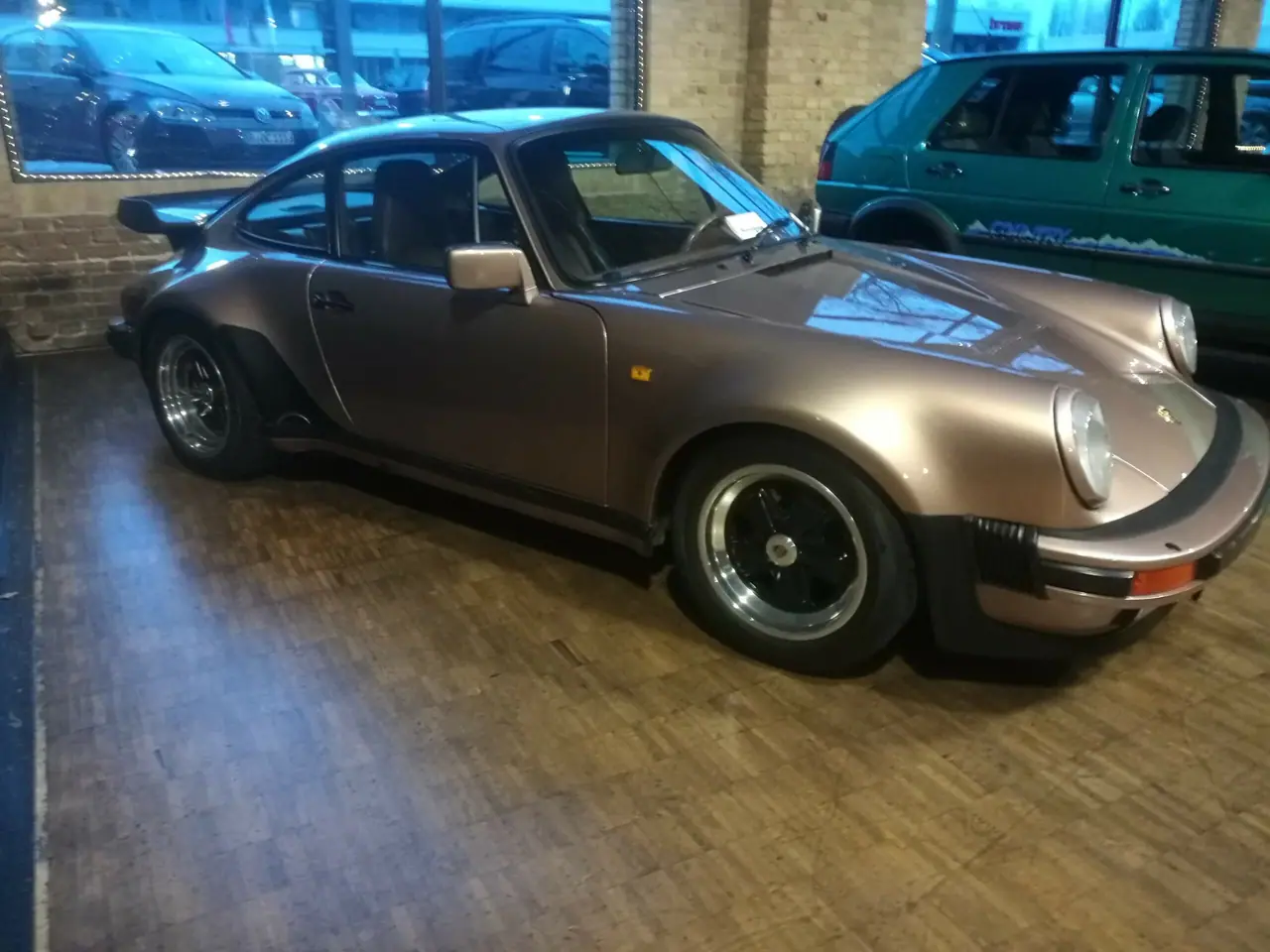
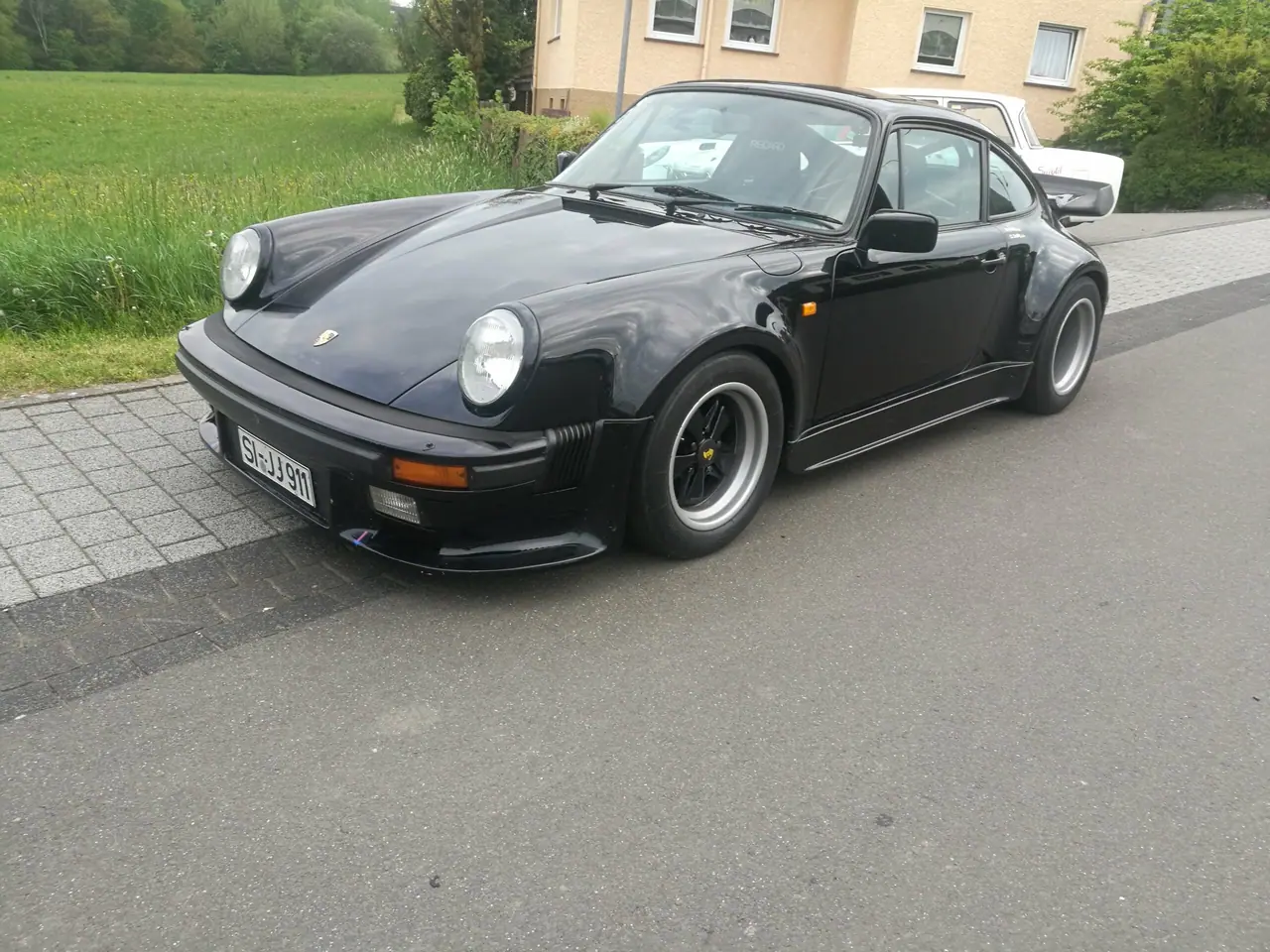
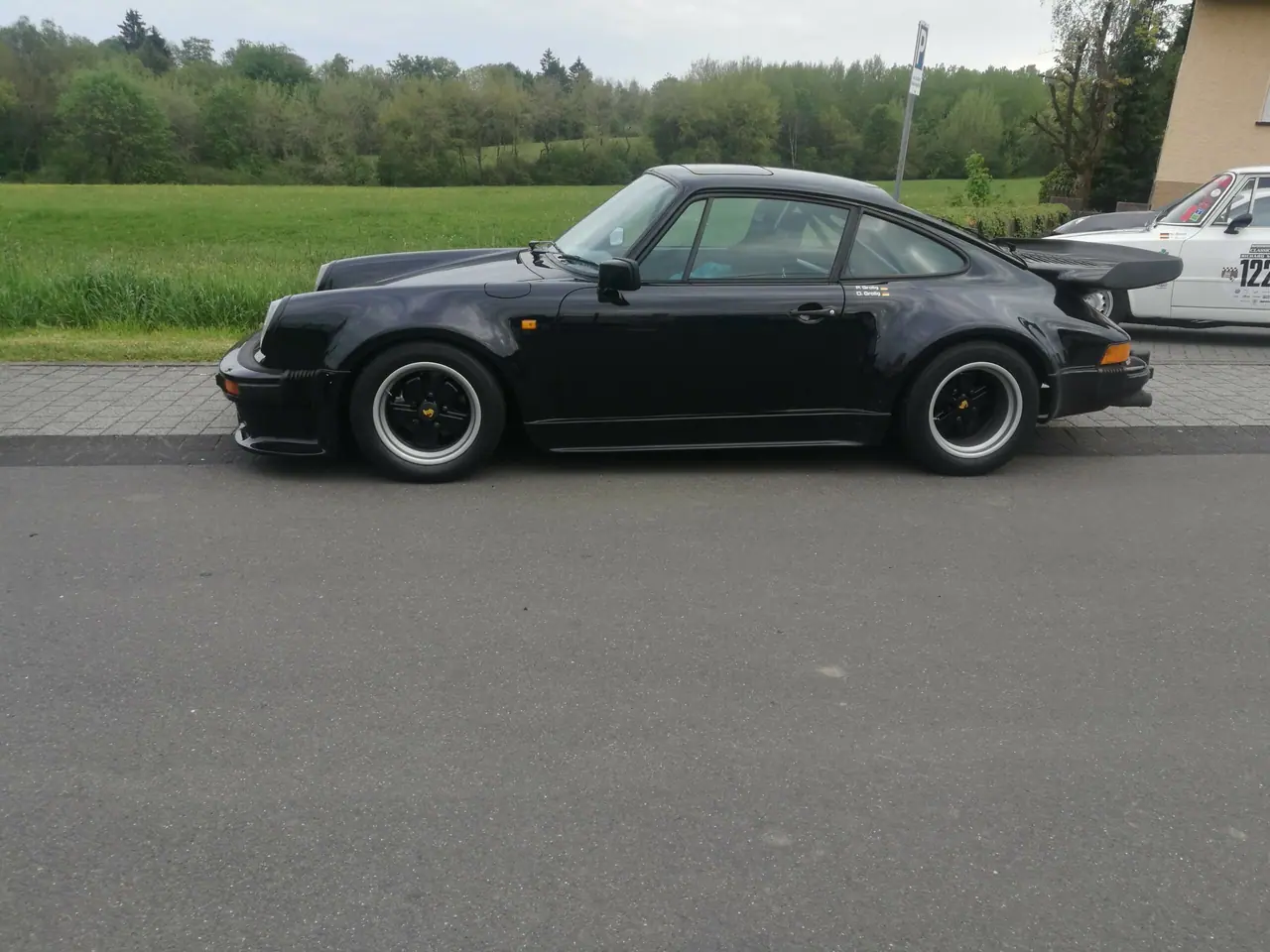
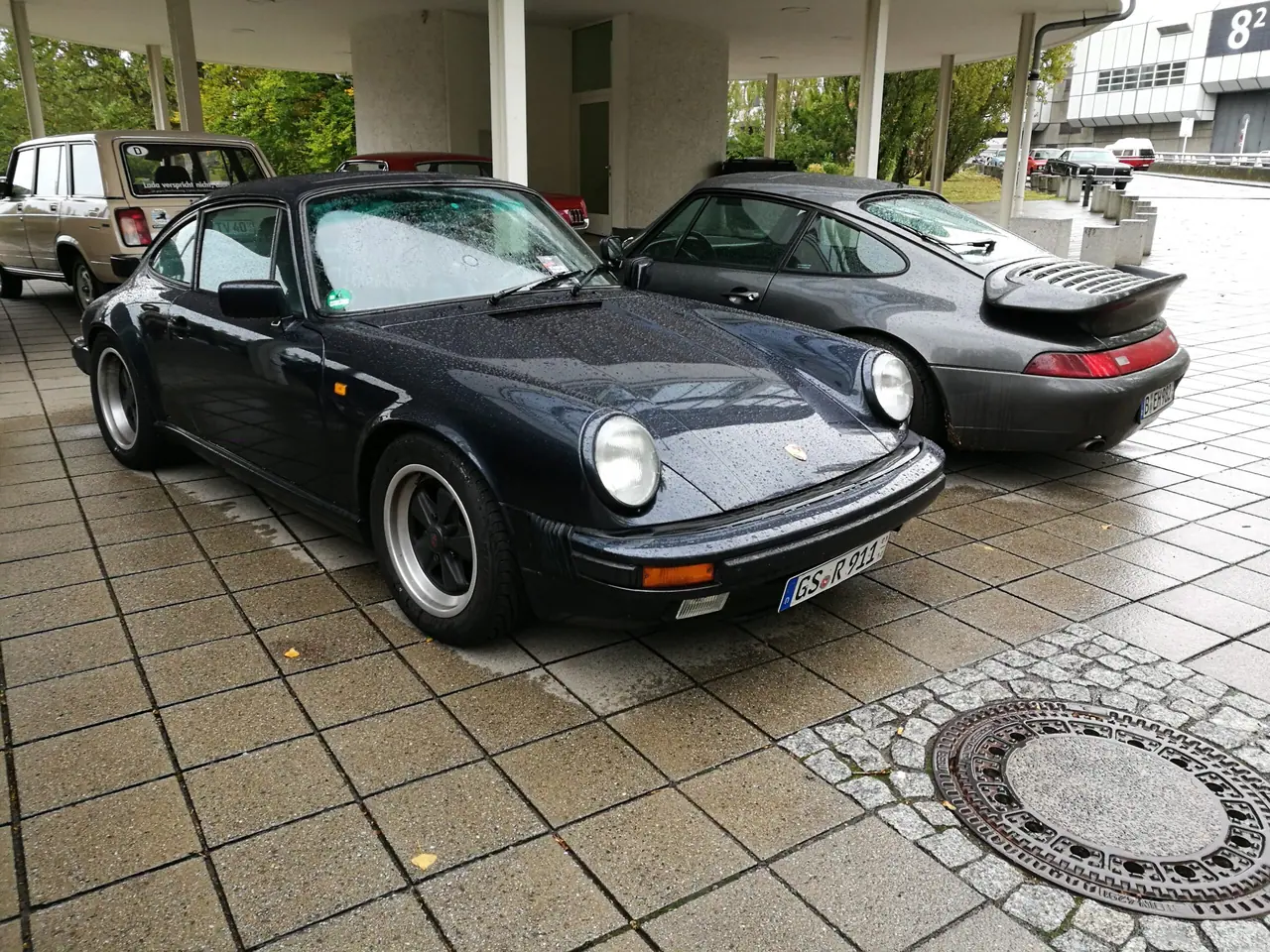
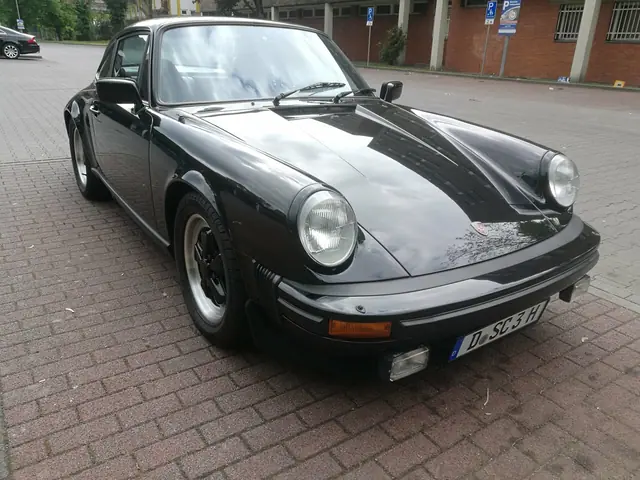
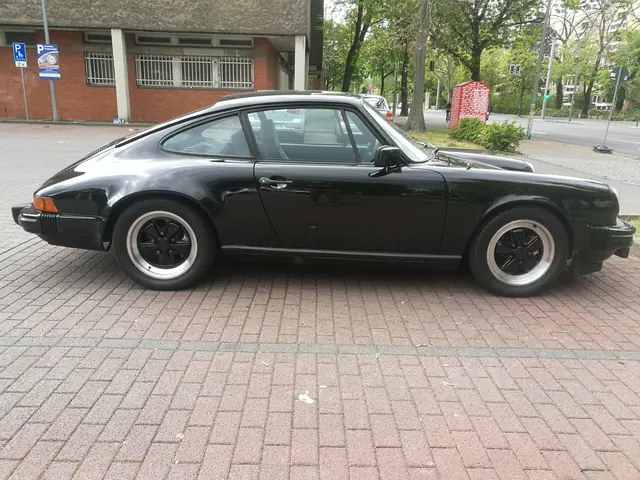
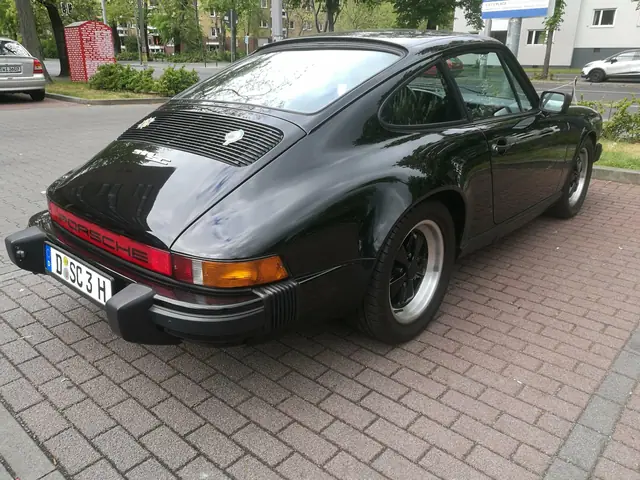
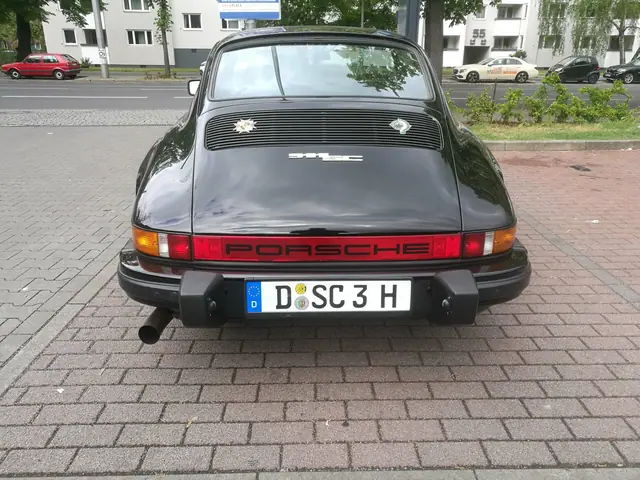
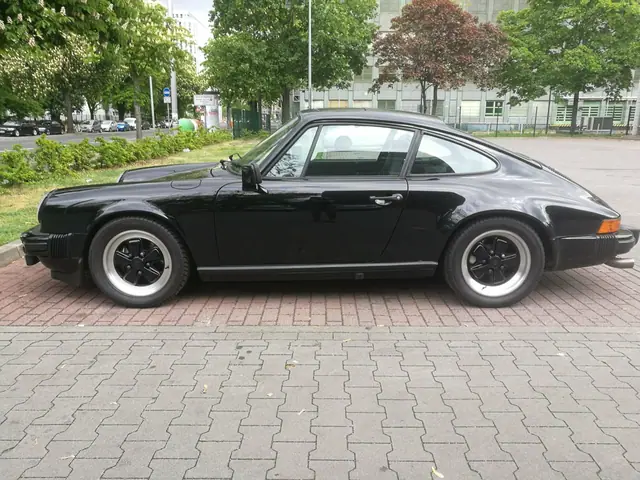
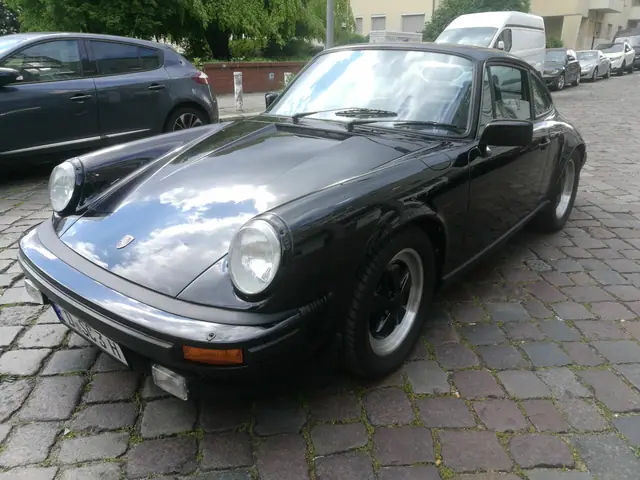
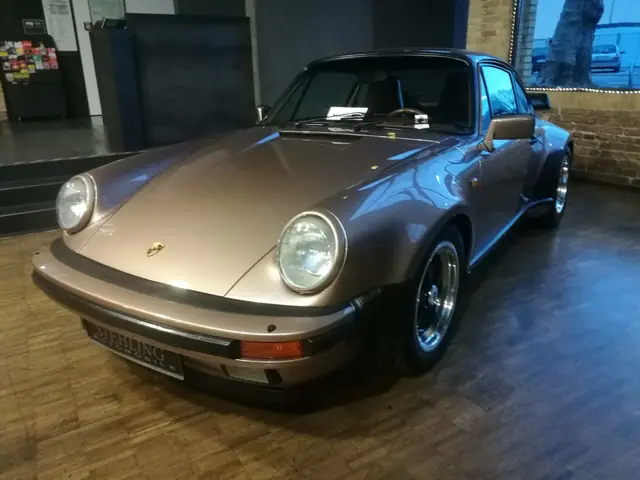
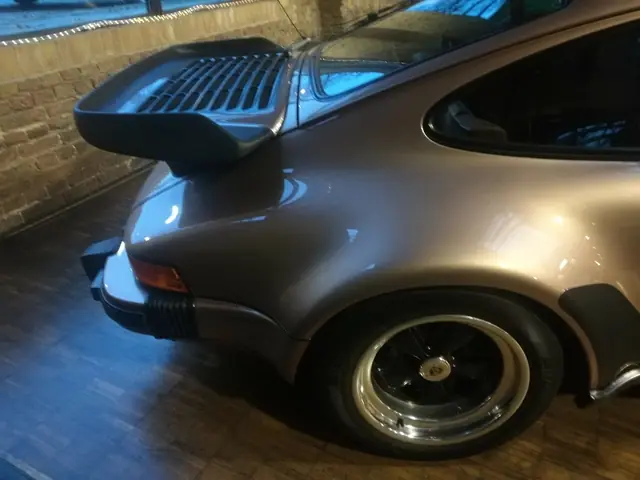
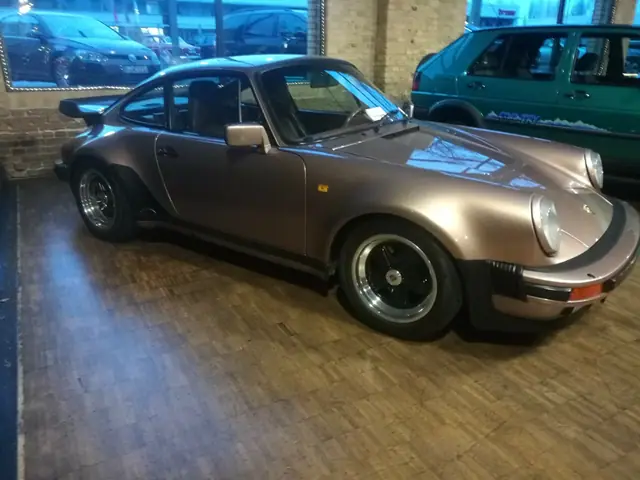
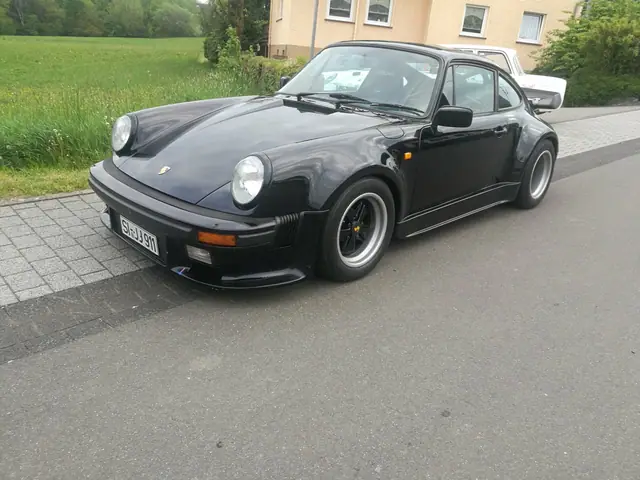
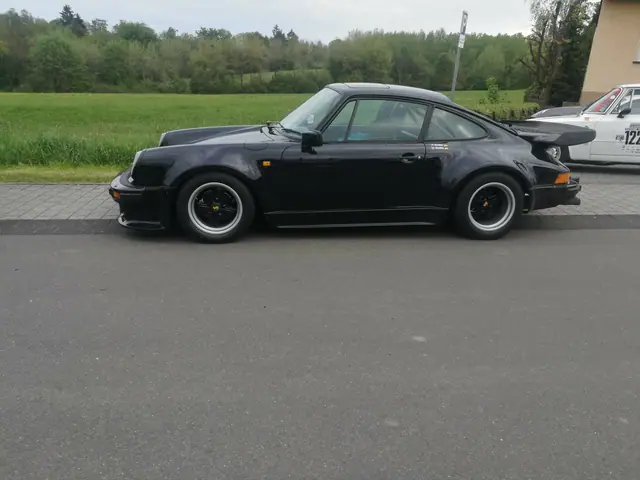
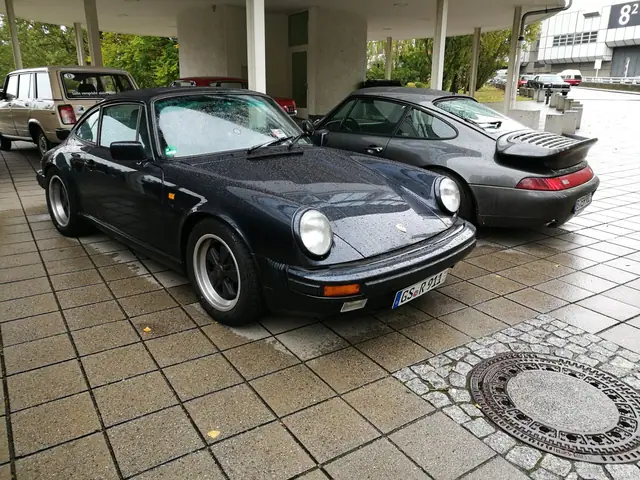
For model year 1978 Porsche cut the 911 range to two models, the Turbo and the new 911 SC (Elferspot). It took the wide body and 3.0-litre engine of the Carrera 3.0 and was the first 911 with a brake servo (Porsche Club GB). Since 1976 the 911 body had been made of zinc-coated steel (Porsche Club GB). With 31,941 coupés, 21,548 Targas and 4,096 Cabriolets built (Elferspot), there are plenty to choose from. Our photos show a black SC coupé and two other G-series 911s with Turbo-style rear wings.
History and versions
- 1978: launch with 180 PS and 265 Nm. Early cars have chrome window frames, door handles and headlight rings; the three-speed Sportomatic was available in 1978 and 1979 only (Elferspot).
- 1980 model year: 188 PS, stiffer valve covers, black anodised trim instead of chrome and a three-spoke steering wheel (Elferspot).
- 1981 model year: higher compression and new valve timing for 204 PS and 267 Nm; needs 98-octane fuel. Side indicators in the front wings, and the anti-rust warranty went up to seven years (Elferspot).
- 1982: Turbo-style spoilers available, headlight washers standard (Elferspot), Fuchs alloys standard (Porsche Club GB).
- 1983: the Cabriolet, Porsche's first convertible since 1965, with a manually folded roof (Elferspot, Porsche Club GB).
Engines and specs
| Model year | Power | Torque | Notes |
|---|---|---|---|
| 1978–1979 | 180 PS | 265 Nm | about 225 km/h, 0–100 km/h in about 7 s |
| 1980 | 188 PS | 265 Nm | revised valve covers and seals |
| 1981–1983 | 204 PS | 267 Nm | 98 octane, 0–100 km/h in 6.8 s |
Sources: Elferspot. The engine is the air-cooled Type 930 3.0 flat-six with Bosch K-Jetronic fuel injection, a normally aspirated version of the Turbo's engine (Porsche Club GB). The gearbox is the five-speed 915 manual.
Living with it
Parts supply is good: suspension parts are shared with the Turbo and Carrera and widely available, and a full brake overhaul including calipers costs less than €1,000 (Elferspot). The 915 gearbox is less forgiving than the later G50, so give each gear a moment to synchronise. Heating that doesn't work is a classic SC issue, usually caused by rusty heater valves, a faulty fan or the heat exchangers, and none of those is cheap (Elferspot).
Running costs in the UK, according to Porsche Club GB: about £100 for an oil change, £75 to £100 for brake fluid, about £500 per axle for discs and pads, and a clutch that lasts 70,000 to 100,000 miles.
Rust and weak points
- Body: after 35 to 40 years the original zinc coating can be brittle. Check sills, jacking points, door bottoms, A-pillars, the windscreen frame, battery boxes, inner wings, the rear inner wing stiffeners known as kidney bowls and the area ahead of the fuel tank (Elferspot, Porsche Club GB).
- Seals: failed door, window, Targa and sunroof seals let water in, which leads to rust (Elferspot).
- Head studs: broken cylinder head studs and oil leaks are common, and an overhaul will eventually be needed (Elferspot). Design911 points to the Dilavar studs on the 3.0 engine, which can snap on high-mileage cars.
- Chain tensioners: a rattling timing chain usually means worn mechanical tensioners or guide rails; many cars have been converted to hydraulic Carrera-style tensioners (Elferspot, Design911).
- Fuel injection: the K-Jetronic can cause rough idling; ethanol in the fuel attacks seals in the fuel distributor and pressure regulator (Elferspot).
- Gearbox: grinding or difficulty selecting second or third points to worn synchros or linkage; a full rebuild can cost five figures (Elferspot, Porsche Club GB).
- Exhaust and pipes: heat exchangers cost £300 to £500 each, and old fuel lines and corroded brake pipes can split (Porsche Club GB).
- Electrics: central locking relays and window motors often fail, and a bad fuel pump relay can stop the car from starting (Elferspot).
The flat-six can run for decades. What decides the price is the metal underneath.
Prices
According to Elferspot, 911 SC prices range from about €35,000 for high-mileage cars that need restoration to about €90,000 for the best, with an average just below €70,000; engine power and body style make little difference. At Kickdown auctions in 2025, a 1981 US-market coupé in condition 2+ sold for €47,500 and a 1981 car with 338,000 km in condition 3 for €38,600. Porsche Club GB warns that a car needing new sills and inner wing repairs won't leave change from £15,000.
Buying checklist
- Have a Porsche specialist check the car on a lift, including the sills, jacking points, kidney bowls and battery boxes.
- Use a paint gauge on the wings, door bottoms, C-pillars and Targa window surround (Porsche Club GB).
- Ask whether the head studs have been checked and the chain tensioners upgraded.
- Check the engine for smoke, uneven running and oil leaks; an 11-blade fan identifies the Type 930 engine (Porsche Club GB).
- Select every gear, especially second and third, cold and warm.
- Test the heating at operating temperature.
- Look at the heat exchangers, exhaust, fuel lines and brake pipes.
- Ask for the service history, bills and any Classic Data valuation.
Verdict
The 911 SC is a durable, usable air-cooled 911. Body, documented engine work and the gearbox matter more than whether it has 180 or 204 PS. Budget for a specialist inspection and a reserve for the heating, exhaust and seals. For the first water-cooled 911, read our Porsche 996 Cabriolet guide.

FAQ
How much power does a 911 SC have?
180 PS at launch, 188 PS from model year 1980 and 204 PS from model year 1981, all from a 3.0-litre air-cooled flat-six (Elferspot). The 204 PS version needs 98-octane fuel.
Does the 911 SC rust?
Less than earlier 911s thanks to the zinc-coated body, but after four decades the coating can be brittle. Sills, jacking points, door bottoms, A-pillars, windscreen frame and battery boxes are the places to check.
What are the head stud and chain tensioner problems?
Cylinder head studs can break, often showing as oil leaks at the heads. The mechanical timing chain tensioners can wear and rattle; many owners have fitted hydraulic tensioners (Elferspot, Design911).
What does a 911 SC cost?
Elferspot gives a range of about €35,000 to €90,000, with an average just below €70,000. Recent auction results for 1981 cars were €38,600 and €47,500 (Kickdown).
Based on period data, buyer's guides and auction results, not on our own test drive. Sources: Elferspot buyer's guide, Porsche Club GB buyer's guide, Design911, Elferspot marketplace, Kickdown (€47,500), Kickdown (€38,600), Elferspot listing (6.8 s).