Ford Ranger T6 (2011–2022) problems and how to buy a good one.
Yes, if it was serviced. Check the chassis for rust, the oil pump on the 2.2 and 3.2, the gearbox, DPF and EcoBlue belt, and every recall by VIN.
The short answer
What are the common Ford Ranger T6 problems (2011–2022), and is a used Ranger a good buy?
- The Ford Ranger T6 (2011–2022) is a strong, safe workhorse that tows up to 3,500 kg, and at nine years old it still passes the British MOT test far more often than the average car, although Rangers of that age have covered much higher mileages.
- The weak points are chassis and wheel-arch rust, oil pump failures on the 2.2 and 3.2 TDCi, the wet timing belt of the 2.0 EcoBlue, automatic gearboxes, clogged DPF and EGR systems on short-trip trucks, and a long list of recalls.
- Buy on condition and history rather than mileage: put the truck on a lift, ask for proof of oil pump work or careful oil changes, check the belt history on an EcoBlue, and have a Ford dealer confirm every recall using the VIN.
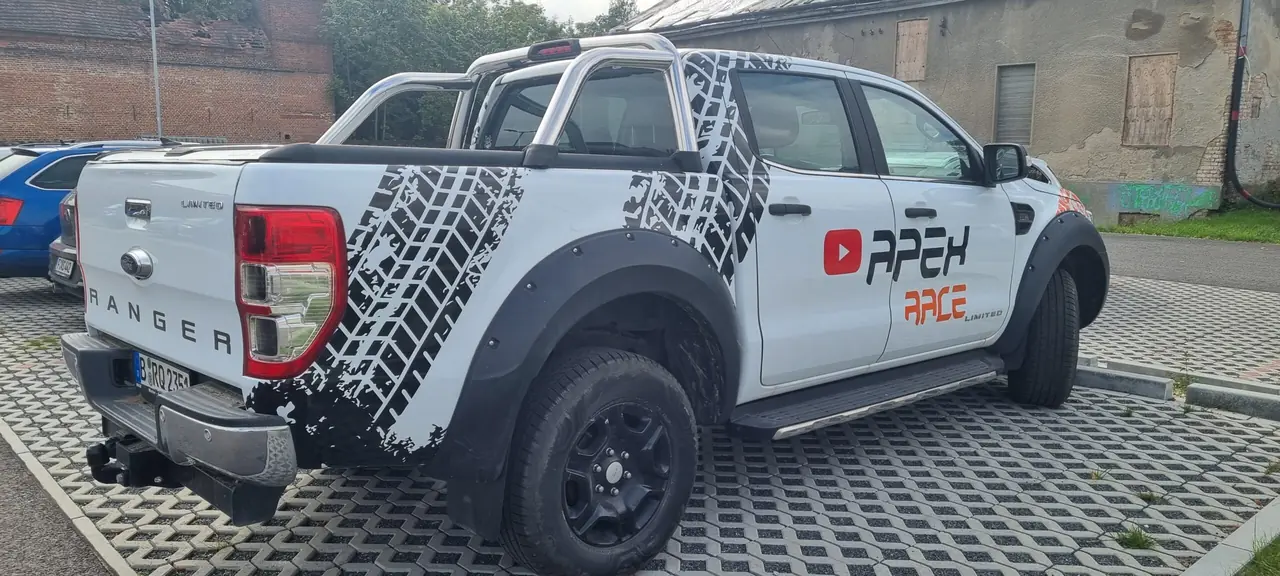
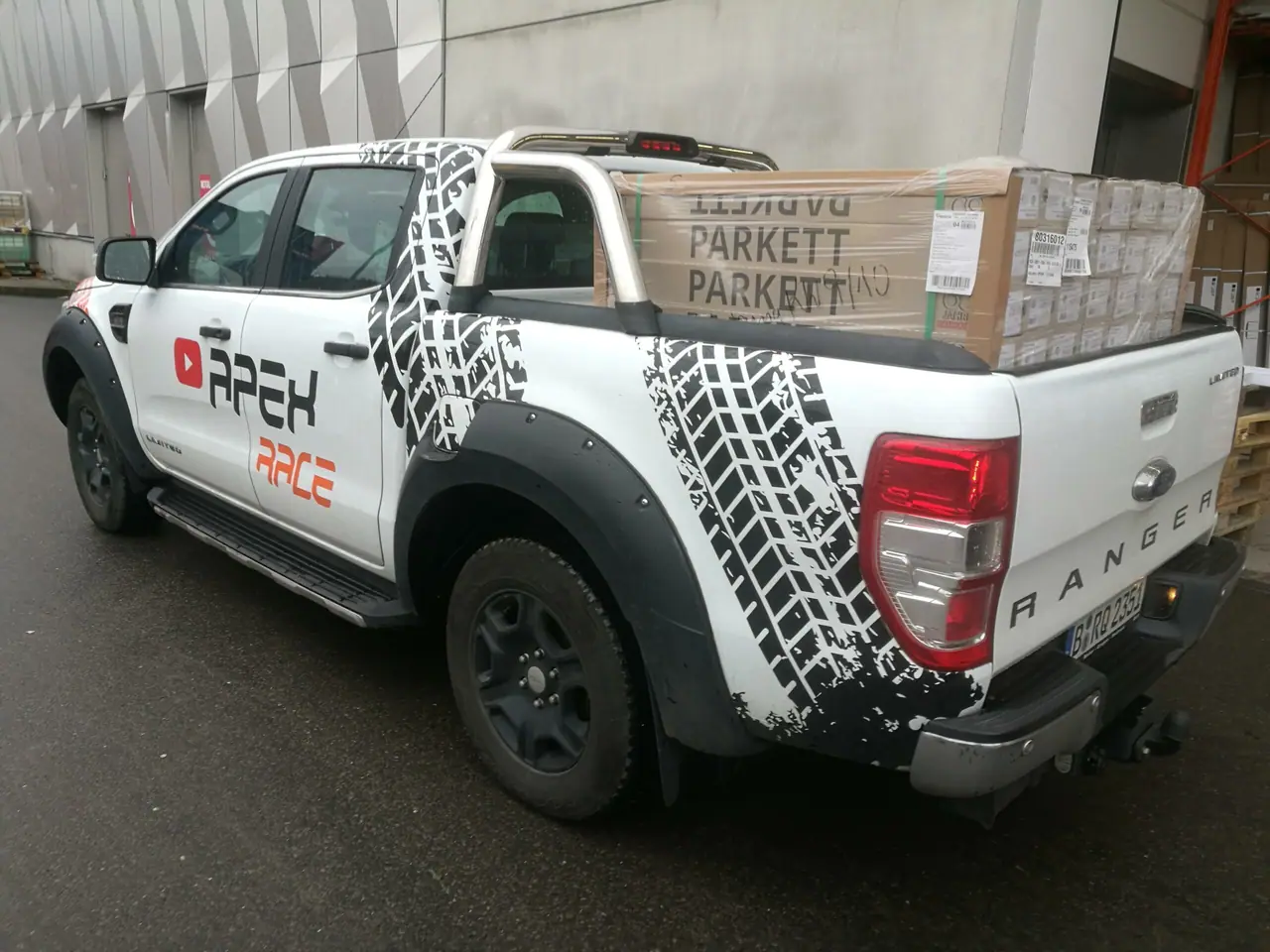
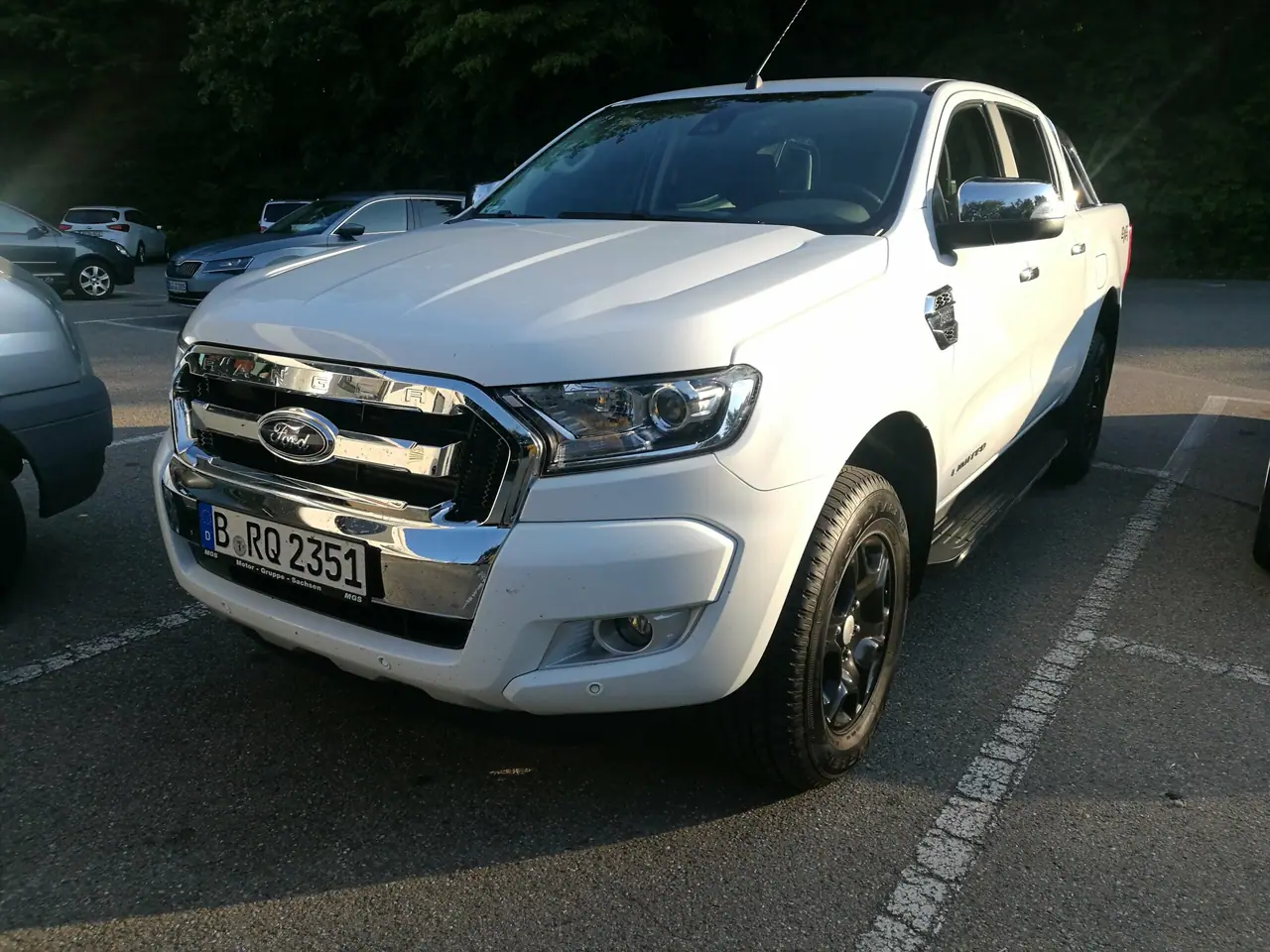
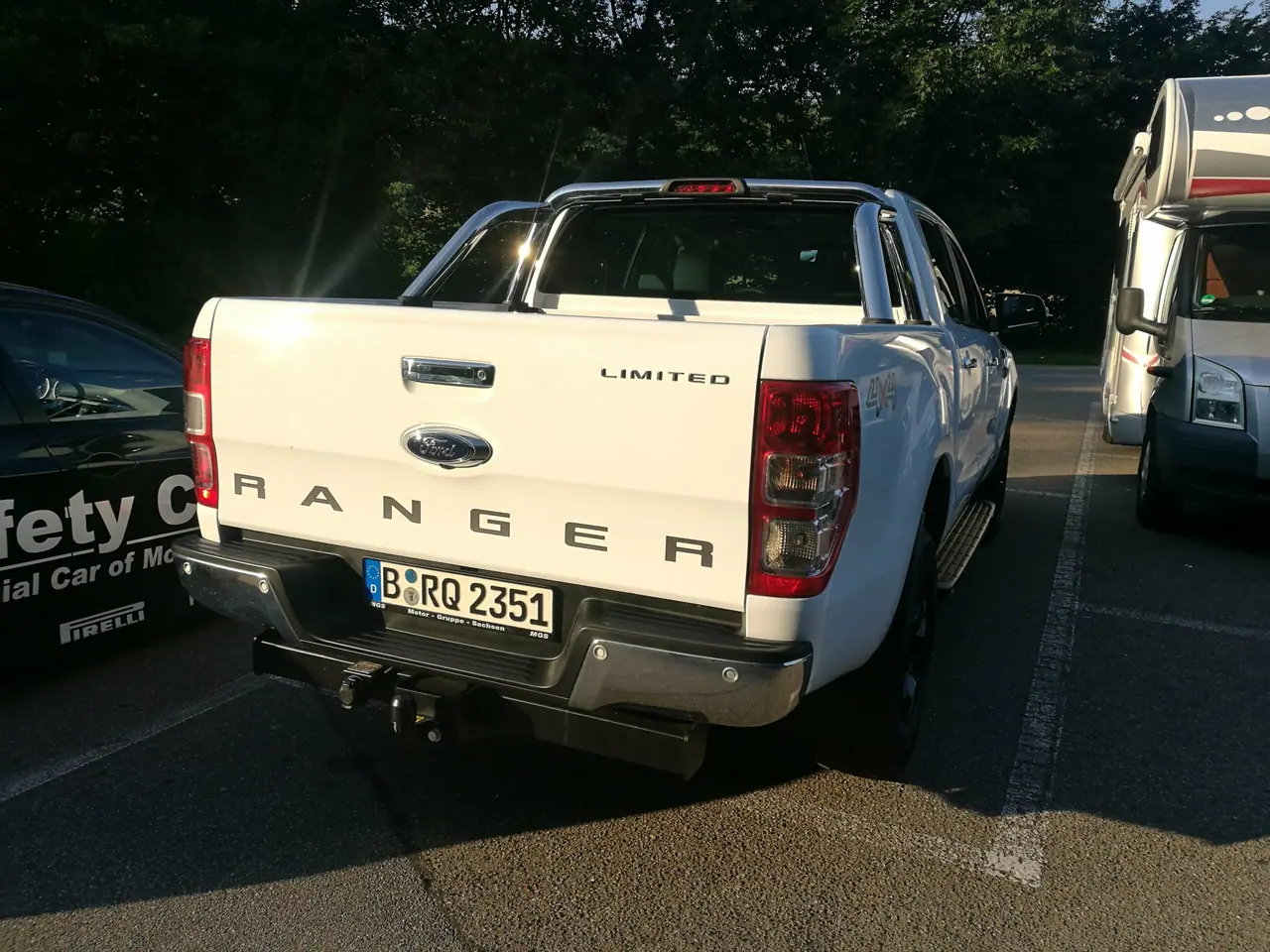
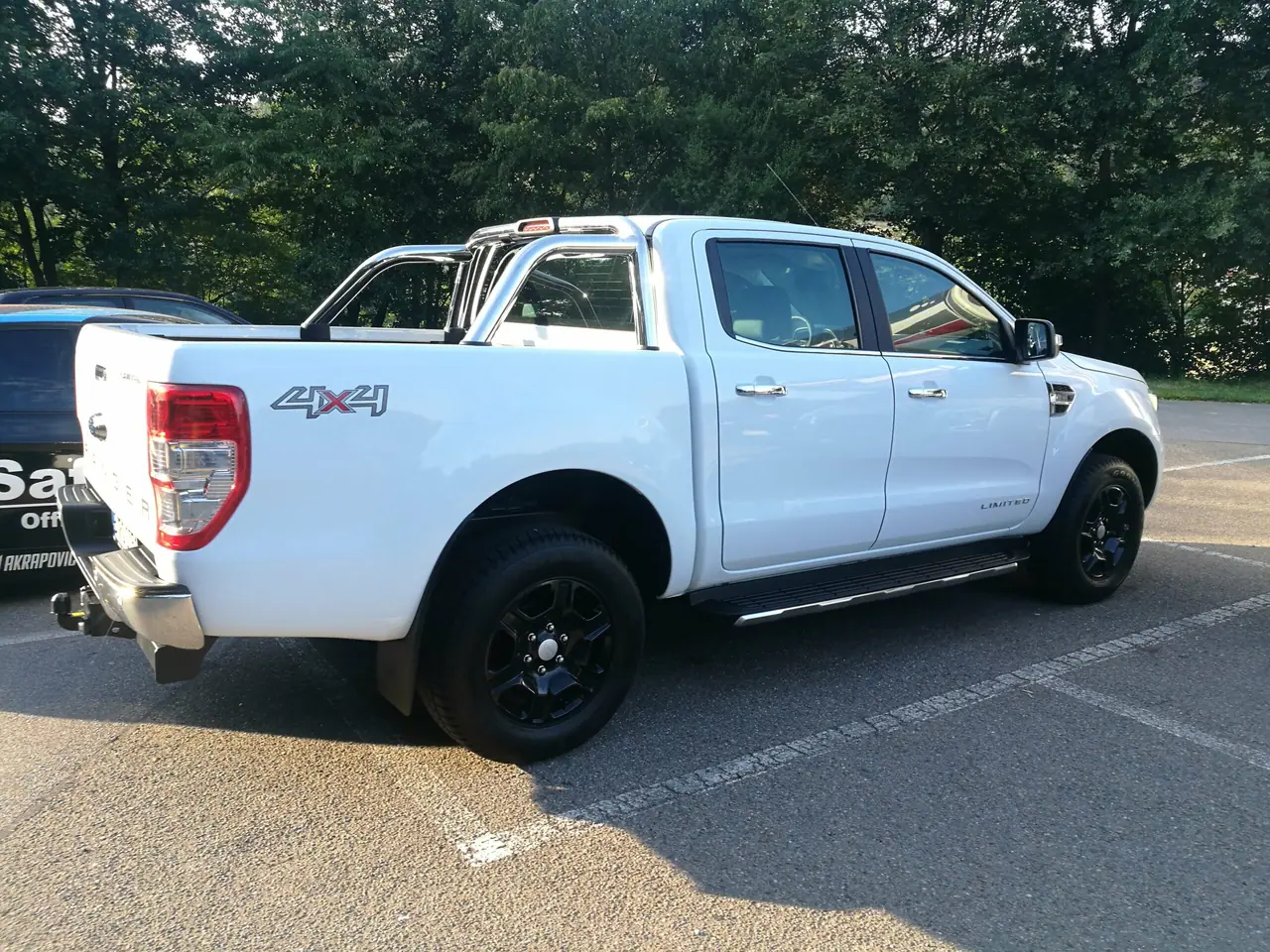
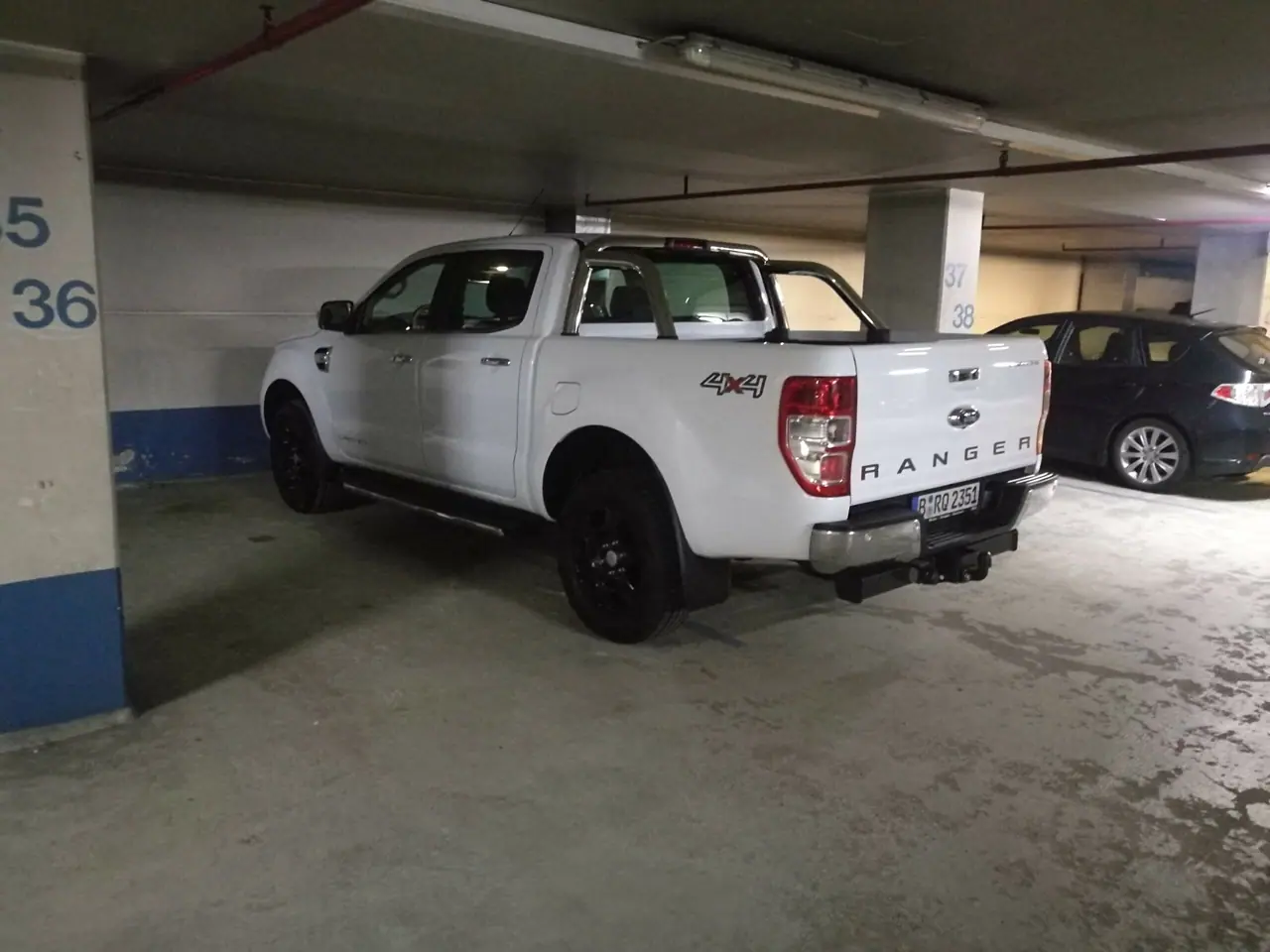
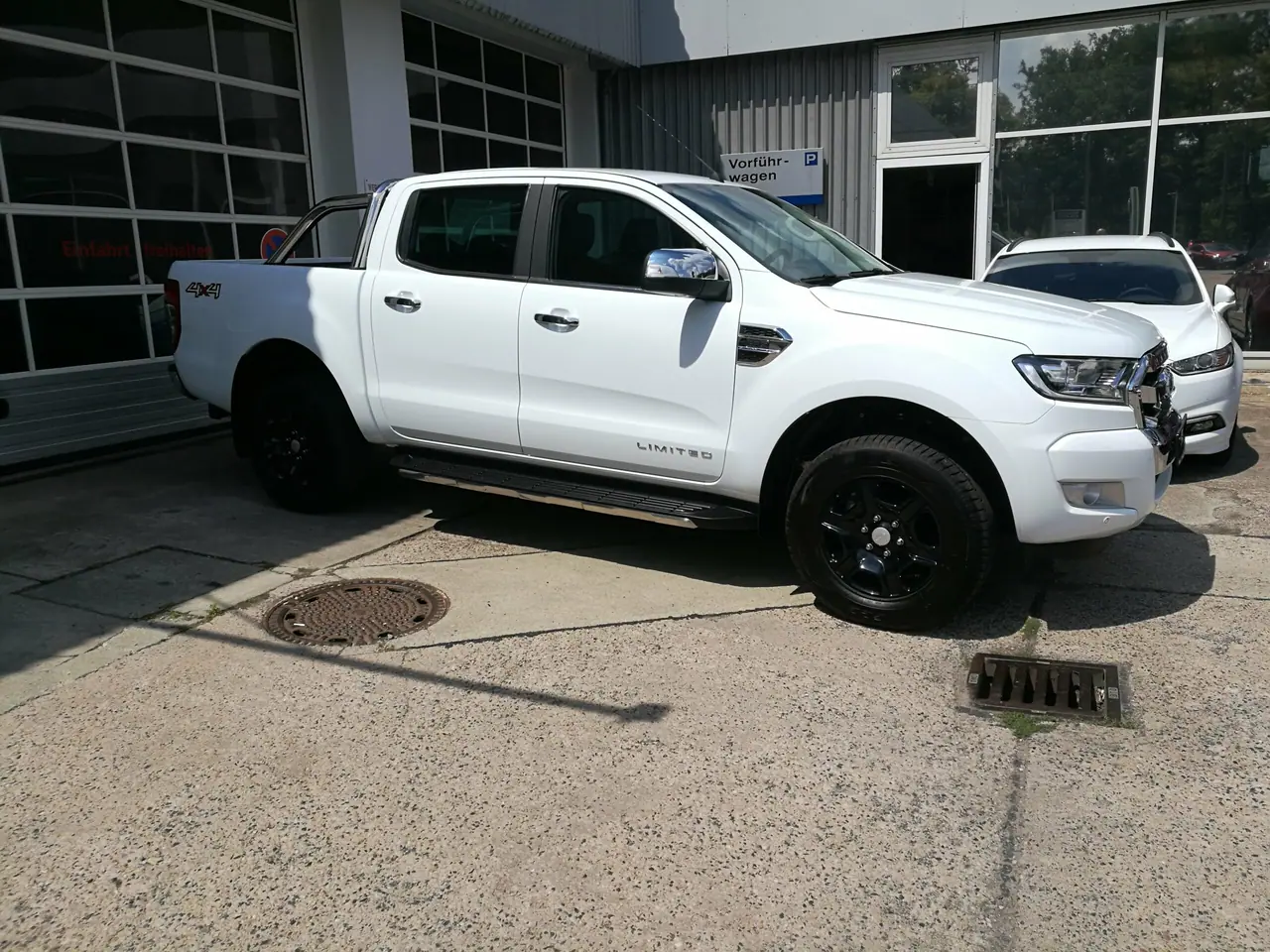
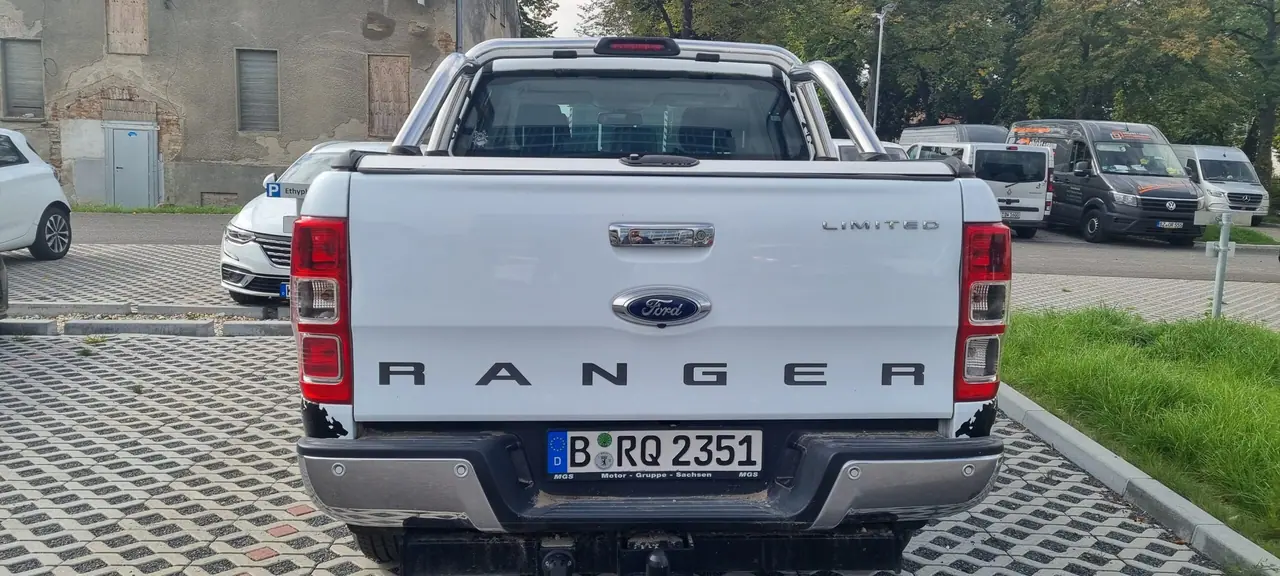
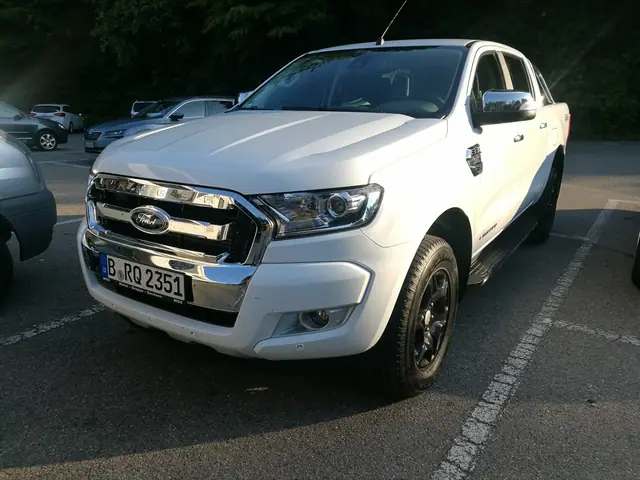
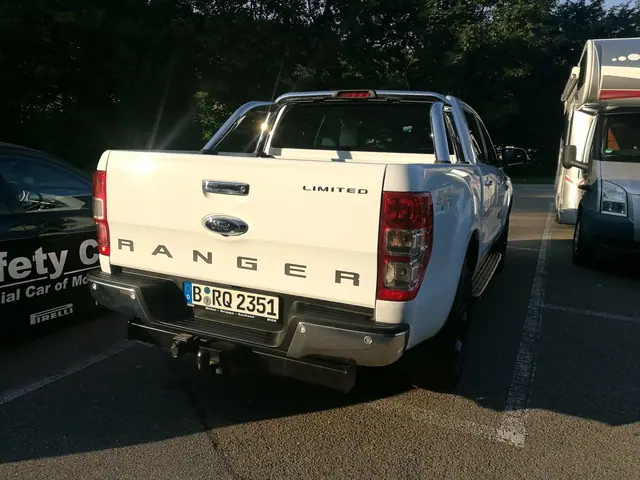
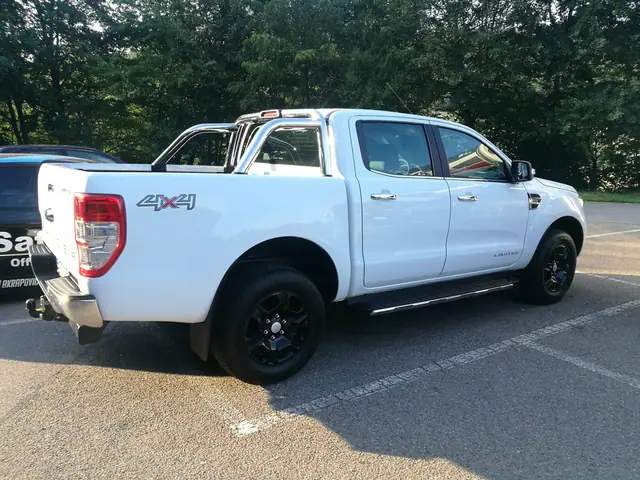
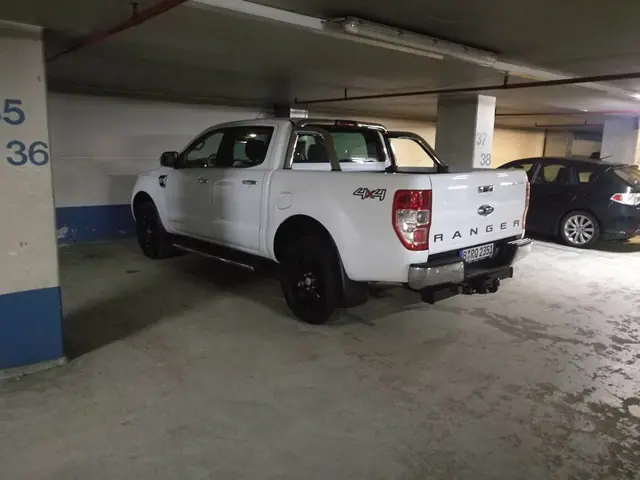
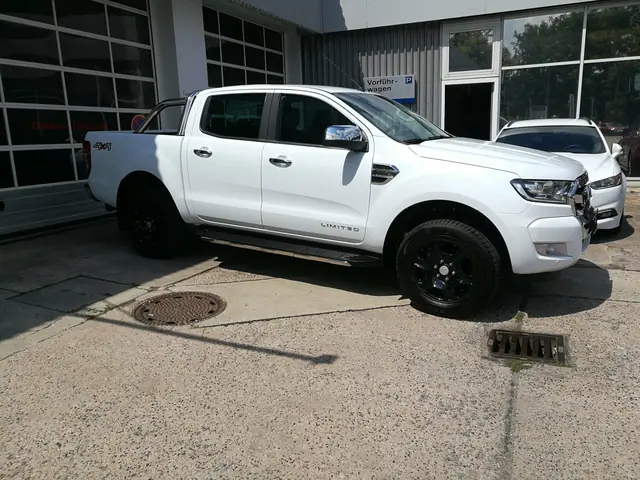
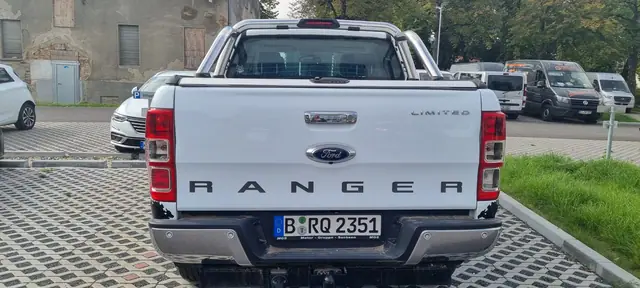
The T6 Ranger was designed and engineered by Ford Australia (Euro NCAP) and built in Thailand, South Africa and Brazil for 180 countries (GoAuto). In the UK it went on sale in November 2011, priced from £15,515, as a single, super and double cab with rear- or four-wheel drive (Auto Express). It was the first pickup to earn five Euro NCAP stars, and its sister model, the Mazda BT-50, was built on the same base from 2012 to mid-2020 (CarsGuide). An all-new Ranger replaced it in 2022 (Auto Express). Our photos show a Ranger Limited double cab with automatic gearbox, later in Apex Race livery, and a Ranger Raptor.
This guide covers the common Ford Ranger T6 problems engine by engine: what MOT data and owner surveys say, rust, oil pumps, the EcoBlue belt, gearboxes, recalls, the Raptor and the US Ranger, running costs and which version to buy. In short: the Ranger is robust if it has been serviced and its recalls are done (Autocar), but rust and service history matter more than mileage.
Ford Ranger T6 (2011–2022) at a glance
- October 2011: first pickup to get five Euro NCAP stars (Euro NCAP).
- November 2011: UK launch with a 148 bhp 2.2 TDCi and a 197 bhp 3.2 TDCi; a 124 bhp 2.2 followed within a few months (Auto Express).
- 2015: major facelift (Autocar); in the UK it arrived in spring 2016 with a single 158 bhp 2.2 TDCi, the 197 bhp 3.2 TDCi, better connectivity and the Wildtrak as the top model (Auto Express).
- January 2019: the 2.0 EcoBlue replaced the 2.2 TDCi, with 128, 168 and 210 bhp (Auto Express).
- 2019: the Ranger returned to the US as a 2019 model with a 2.3 EcoBoost petrol engine, built in Wayne, Michigan (The Drive).
- Mid-2019: the Ranger Raptor went on sale in Europe (Ford Authority).
- 2022: an all-new Ranger replaced the T6 (Auto Express).
Australian sources call the three phases PX, PX2 and PX3 (Unsealed 4X4); Farmers Weekly calls the facelifted trucks T7 and the 2.0 EcoBlue trucks T8.
Engines and specs
| Engine | Power | Torque | Years | Watch for |
|---|---|---|---|---|
| 2.2 TDCi (from the Transit) | 125 / 150 PS, 160 PS from 2016 | 320–375 Nm | 2011–2019 | oil pump drive, turbo actuator, glow plugs |
| 3.2 TDCi five-cylinder | 200 PS | 470 Nm | from 2011 | oil pump, EGR cooler, intercooler hoses |
| 2.0 EcoBlue | 130 / 170 PS | – | 2019–2022 | wet timing belt, DPF |
| 2.0 EcoBlue bi-turbo | 213 PS | 500 Nm | 2019–2022 | wet timing belt, DPF |
| 2.5 petrol | – | – | 2011–2015, some markets | – |
Figures from Auto Express, Farmers Weekly, Honest John, Autonotizen and CarsGuide. The 2.5 petrol was sold only in some markets, such as Australia (CarsGuide).
Which engine for which driver
Auto Express calls the 3.2 TDCi the most muscular, the 2.2 TDCi the most economical and the 2.0 EcoBlue the best balance of the two. Autocar picks the 3.2 TDCi because the smaller engines feel ponderous, and Honest John finds the 2.2 TDCi lethargic. Farmers Weekly calls the automatic 3.2 models tough but heavy on fuel.
Gearboxes and four-wheel drive
The TDCi engines came with a six-speed manual or a six-speed automatic; at launch the automatic was standard on the Wildtrak, unavailable on basic models and optional in between (Farmers Weekly). On the 2.0 EcoBlue, the 168 and 210 bhp versions came with a ten-speed automatic (Auto Express). Four-wheel drive is part-time with a simple transfer box and should not be used on dry roads (Farmers Weekly); nearly all used Rangers for sale are four-wheel drive (Auto Express).
Fuel economy
| Engine | Real MPG average | Litres per 100 km |
|---|---|---|
| 2.2 TDCi 150 4x4 | 30.0 mpg | about 7.8 |
| 2.2 TDCi 160 4x2 | 29.8 mpg | about 7.9 |
| 2.2 TDCi 160 4x4 | 41.9 mpg | about 5.6 |
| 3.2 TDCi 200 4x4 | 25.9 mpg | about 9.1 |
| All T6 Rangers | 27.1 mpg | about 8.7 |
Source: Honest John Real MPG (UK gallons, owner figures). The 3.2 reaches 83 percent of its official NEDC figure on average. For the Raptor, Autonotizen measured 10.8 litres per 100 km on the trip computer.
Towing, payload and size
The 3.2 TDCi is rated to tow 3,500 kg; the 2.2 TDCi between 1,600 and 3,500 kg depending on driven wheels and power (Auto Express). Payload is about one tonne, but only 620 kg for the Raptor (Auto Express). The double cab is 5,362 mm long, and its load bed measures 1,549 by 1,560 mm (Auto Express).
Living with it
Auto Express calls the Ranger fabulously capable off-road and more comfortable than expected, but not a substitute for a road-biased SUV. Honest John praises the comfortable cabin and towing ability, but says it lacks the refinement of rivals and the engines get noisy when pushed. Farmers Weekly credits it with good road manners. Autocar says the Wildtrak is the go-to trim for most used buyers; some owners find the standard headlights poor, and one reported a leaking load cover.
Auto Express lists the Volkswagen Amarok, Toyota Hilux, Isuzu D-Max, Mitsubishi L200 and Nissan Navara as the main alternatives; for a comparison, read our Nissan Navara (2018) guide.
Reliability: MOT data and owner surveys
MOT data for Rangers built in 2015 show how the T6 ages:
| Age of 2015 Rangers | MOT tests | Pass rate |
|---|---|---|
| 3 years | 5,270 | 81.3% |
| 4 years | 5,488 | 77.4% |
| 5 years | 5,578 | 74.2% |
| 6 years | 7,004 | 71.5% |
| 7 years | 5,404 | 70.5% |
| 8 years | 6,749 | 67.2% |
| 9 years | 9,415 | 71.0% |
Source: passyourmot. At nine years, the 2015 Ranger passed 9.0 points more often than the 62.0% average for cars of that age, even though these trucks averaged 91,675 miles (about 147,500 km). Lights and electrical equipment (23.4% of failures), brakes (15.0%), tyres (12.3%) and suspension (10.4%) cause the most failures, and brake failures rise from 3.0% at two years to 18.7% at nine (passyourmot).
Owners are more divided. Reviews on Carbuyer average 2.8 out of five, with many one-star and five-star ratings; the common complaints are clunky transmissions, thirsty engines and electrical glitches, while towing and off-road ability get strong praise (Auto Express). The Ranger was not included in the What Car? reliability survey, where Ford came 18th of 31 brands. In a 2017 pickup reliability survey, the Ranger came fourth behind the Toyota Hilux, Mitsubishi L200 and Isuzu D-Max (Vanguide). For early trucks, CarsGuide warns that blown 3.2 engines were often reported in Australia at fairly low mileage, and Ford replaced a number of them under warranty.
Ford Ranger T6 problems: what goes wrong
Here are the common problems by system and engine, with the sources that report them.
Chassis and body rust
Corrosion is common, mainly on the chassis and wheel arches, and Ford opened dedicated workshops to remove rust and apply a protective coating (Autocar). Car Checker calls weld-point corrosion on the ladder frame the T6's most notorious issue, reported on trucks as young as two or three years, and puts specialist treatment at €800–1,500 and section or full replacement at more than €2,500. Ford's goodwill programme covered Rangers first registered from 1 January 2015 if a claim was made within three years of purchase, and it ended on 30 November 2022 (Car Checker). Honest John mentions reports of poor paintwork on 2013 models, and What Car? advises clearing caked-on mud, which traps water.
3.2 TDCi: oil pump, EGR cooler and hoses
Oil pump failure is one of the most common issues on the 3.2; warning signs are ticking, low oil pressure and the engine warning light, and many owners fit a geared oil pump instead of the original vane pump (Autocar). The pump does not self-prime: if the sump is left to drain for more than ten minutes, oil can run out of the pump and the engine is not properly lubricated, so Farmers Weekly advises leaving oil changes to specialists. Unsealed 4X4 links the variable-pressure pump to catastrophic engine failures and recommends a gear-driven pump; Who Can Fix My Car puts oil pump repairs at £300 to more than £1,000. Unsealed 4X4 also reports EGR coolers that leak coolant into the engine, split rubber intercooler hoses that cause power loss, black smoke and limp mode, failed crank angle and exhaust temperature sensors, and an engine wiring harness that can rub through on the timing cover. Poor performance or blue smoke can mean turbo failure (Autocar).
2.2 TDCi: oil pump drive, turbo actuator and glow plugs
The drive to the oil pump on the 2.2 can shear and starve the engine of oil; a top-end rattle and the oil pressure light are the warning signs, by which point it may be too late, and many engines have already been upgraded (Farmers Weekly). The 2.2's electronic turbo actuators can fail; they are matched to the individual turbo, cost £500–600 new, and can be repaired for about £250 (Farmers Weekly). Glow plugs need regular checks, because an open circuit stops DPF regeneration, and the mass air flow sensor can cause slow starts, hesitation and higher fuel use (Farmers Weekly). Car Checker adds timing chain stretch at typically 100,000–180,000 km, with a cold-start rattle and repairs of €1,200–2,500, and a sticking suction control valve above about 80,000 km.
2.0 EcoBlue: the wet timing belt
The 2.0 EcoBlue uses a timing belt that runs in engine oil, together with an oil pump belt; diesel in the oil can damage the belt, and in extreme cases belt material blocks the oil pump strainer, while a belt failure has catastrophic consequences (Dayco). Autotrader South Africa says the engine family has been linked to wet-belt durability problems, sometimes before the service interval. Autocar reports timing belt issues around 70,000 miles (about 113,000 km), and owners recommend replacing the belt early. Dayco treats Ford's replacement interval as an absolute maximum. Note that Auto Express and CarsGuide say every T6 engine has a timing chain; that is true of the 2.2 and 3.2 TDCi, but not of the EcoBlue.
DPF, EGR and short trips
Rangers that are rarely driven at speed can clog their diesel particulate filter and EGR valve (Auto Express). Car Checker reports DPF clogging after 25,000–40,000 km of mainly short or slow use and puts a forced regeneration at €150–250, professional cleaning at €400–600 and a new filter at €1,500–2,000 fitted; EGR buildup typically shows at 80,000–120,000 km. In Australia, dry grass collecting near the DPF could catch fire, and Ford issued a recall (Unsealed 4X4, CarsGuide).
Automatic gearboxes
Owners report problems with both manual and automatic gearboxes; check for slipping and fluid leaks, and on the ten-speed automatic watch for abrupt shifts or vibrations (Autocar). On the six-speed automatic, Car Checker lists harsh shifts, torque converter shudder and jamming in second gear, with some trucks needing a new gearbox, and advises fluid and filter changes every 60,000 km. Unsealed 4X4 says the fluid is sold as "fill for life", recommends a service every 50,000 km, and describes internal cooler failures that mix coolant and transmission fluid, fragile lead frames and faulty output speed sensors.
Manual gearbox, clutch and four-wheel drive
Unsealed 4X4 says the manual gearbox rarely causes trouble, apart from some bearings and the clutch, and Car Checker calls it significantly more reliable than the automatic. On lifted trucks, lifts above 50 mm can wear out CV joints and make the rear driveshaft centre bearing vibrate (Unsealed 4X4). Engage 2H, 4H and 4L on the test drive and listen for grinding or delayed engagement (Car Checker).
Electrics, lights and trim
Electrical glitches are one of the most common owner complaints (Auto Express), and lights and electrical equipment are the top MOT failure category for 2015 Rangers (passyourmot). Vanguide and Who Can Fix My Car name the mass air flow sensor as a common fault. The spare wheel hangs underneath, so check that it is secured and that its lock is still fitted (What Car?).
The Ranger is a workhorse first. Buy one that has been serviced like one, and look underneath before you look at the trim.
Recalls
What Car? lists these UK recalls with production dates:
- Seat back latch: trucks built 5 September 2011 to 10 May 2012.
- Unintended downshift: automatics built 30 September 2011 to 31 March 2012 could drop from sixth to first gear because of a faulty output speed sensor signal.
- Engine cut-out: loss of fuel pressure on trucks built 12 September 2014 to 26 January 2015; injectors were inspected and replaced if needed.
- Driveshaft damage: gearshift cables could damage the rear driveshaft on trucks built 17 November 2015 to 24 February 2016.
- Side airbags: could fail to deploy on trucks built 7 October to 17 November 2016.
Auto Express adds recalls for faulty automatic gearbox sensors (February 2017), damaged brake hoses (July 2019), automatic gearbox failures fixed with software (April 2020) and airbag inflators (August 2020). Car Checker names a Takata airbag inflator campaign for trucks built 2 February to 2 September 2014 and a front brake hose campaign for some trucks built 4 June 2016 to 28 August 2018. Have a Ford dealer check every recall using the VIN, and check national recall databases as well.
Prices and running costs
In the UK, Farmers Weekly puts high-mileage early 2.2 models from about £8,000, a tidy 3.2 with less than 100,000 miles from about £12,000 and the last Wildtraks at more than £20,000; Autocar's used listings start from £8,495. For a 2.2 TDCi, Car Checker found a median asking price of €16,200 in Germany at about 150,000 km and €18,500 in France at about 140,000 km, and estimates annual costs of €950–1,850 at 15,000 km a year, including a repair buffer.
| Repair | Typical cost |
|---|---|
| Oil pump repair (Who Can Fix My Car, UK) | £300 to over £1,000 |
| 2.2 turbo actuator, new / repaired (Farmers Weekly) | £500–600 / about £250 |
| 2.2 turbo (Car Checker) | €1,500–2,500 |
| 2.2 timing chain (Car Checker) | €1,200–2,500 |
| Chassis rust treatment / replacement (Car Checker) | €800–1,500 / over €2,500 |
| DPF cleaning / new DPF (Car Checker) | €400–600 / €1,500–2,000 |
| EGR valve replacement (Car Checker) | €400–800 |
TDCi models are serviced every two years or 20,000 miles and the EcoBlue every 18,000 miles; Ford dealer prices for fluids and filters were £272.50 for the first service, £492.50 at 40,000 miles and £417.50 at 60,000 miles, plus brake fluid every two years (£49) and coolant every ten years (£80) (Auto Express). In the UK, Auto Express says pickups with a one-tonne payload can get favourable company-car tax treatment; tax rules change, so check the current position with HMRC. Tax and registration rules for pickups differ by country; check them with your local authority.
Raptor and the US Ranger
Ranger Raptor (2019–2022)
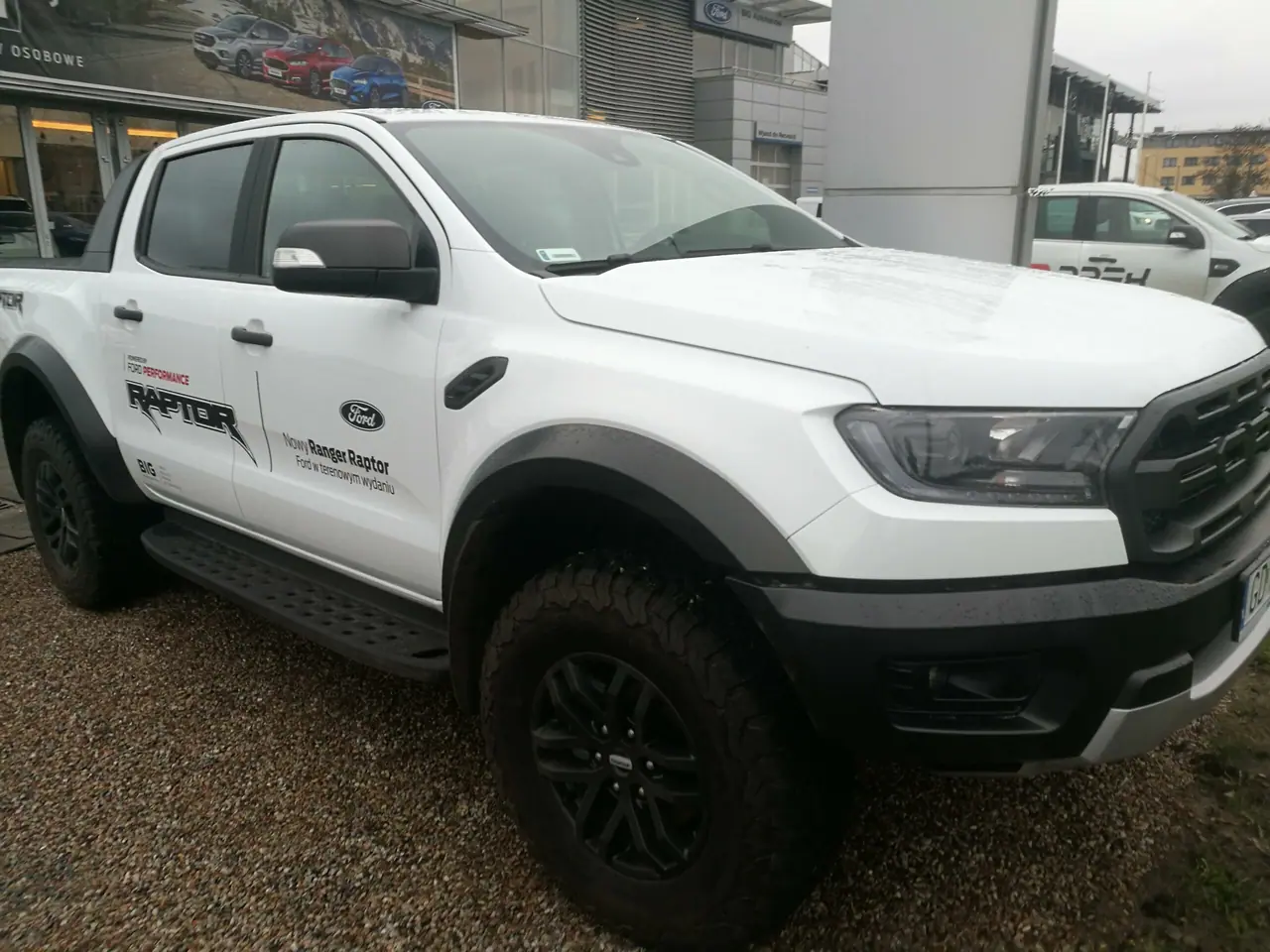
The European Raptor has the 2.0 EcoBlue bi-turbo with 213 PS at 3,750 rpm and 500 Nm at 1,750–2,000 rpm, a ten-speed automatic and Fox dampers; payload falls to 620 kg and towing to 2,500 kg, and Autonotizen calls it dizzyingly expensive (Autonotizen). Compared with a standard Ranger XLT it has a 150 mm wider track, 51 mm more ground clearance and coil springs at the rear, and it weighs 2,510 kg (Carscoops). Ford did not sell this Raptor in the US (Ford Authority).
US Ford Ranger (2019–2023)
The US Ranger is based on the T6 but uses a 2.3 EcoBoost petrol engine with 270 hp and 310 lb-ft, a ten-speed automatic, a solid rear axle and up to 7,500 lb (about 3,400 kg) of towing with the tow package (The Drive); maximum payload is 1,860 lb (TFLtruck). The EPA rated the 2WD model at 21 mpg city, 26 highway and 23 combined (US gallons, Carscoops), but Ford faced class-action lawsuits over the fuel economy ratings, and Car and Driver saw 15 mpg in a comparison test (Ford Authority). CarWhere lists harsh or delayed shifts from the ten-speed automatic (bulletin 23-2350), a block heater recall (25V-685), a blower motor recall for 2019 trucks (19V-726, 20V-137) and a customer satisfaction programme (23B42) that replaced the engine on some 2023 trucks built from 27 March to 19 April 2023 because of cracked blocks. Some 2019 trucks also had a balance shaft and oil pump inspection under programme 19B24 (CarComplaints).
Safety
In October 2011 the Ranger became the first pickup to earn five Euro NCAP stars, and its 81 percent pedestrian score was the highest Euro NCAP had recorded for a pickup; the previous Ranger had only two stars for adult occupants (Euro NCAP). It scored 89 percent overall (Wards Auto), with 96 percent for adult occupants, 86 percent for children and 71 percent for safety assist (What Car?).
Which Ford Ranger T6 should you buy?
- For heavy towing: a 3.2 TDCi automatic with a clean chassis and proof of oil pump work or careful oil changes.
- For lower running costs: a 2.2 TDCi, ideally a 160 PS truck from 2016 with a documented oil pump drive check.
- For the best balance: a 2.0 EcoBlue with 170 PS, which Auto Express rates as the best compromise, as long as the belt history is documented.
- For fun: the Raptor, if you can live with 620 kg of payload and 2,500 kg of towing.
- In the US: a 2.3 EcoBoost truck with its recalls done and, on 2023 trucks, programme 23B42 checked.
- Avoid: trucks with structural chassis rust, no service history, mostly short trips (DPF), heavy lifts above 50 mm or open recalls.
Buying checklist
- Put it on a lift and check the chassis welds, spring mounts, cross-members, wheel arches and brake lines for rust (Autocar, Car Checker).
- Listen for ticking or rattling from the engine and watch the oil pressure light, especially on the 2.2 and 3.2.
- Ask for proof of oil pump upgrades on the 3.2 or of oil pump drive work on the 2.2.
- On a 2.0 EcoBlue, ask when the timing and oil pump belts were checked or replaced.
- Read the DPF soot load and regeneration history; above 80 percent soot load or no recent regeneration suggests trouble (Car Checker).
- Test the automatic from cold, in traffic and under load for harsh shifts, shudder or slipping, and look for fluid leaks.
- Engage 2H, 4H and 4L and listen for grinding or clunks.
- Check the load bed, leaf springs, bumpers and underbody for off-road or overload damage, and make sure the spare wheel is secured.
- Have a Ford dealer confirm every recall using the VIN.
Verdict
The Ford Ranger T6 is a capable, safe pickup that ages well on MOT pass rates despite high mileages, but rust, oil pumps, gearboxes and DPFs can make a bad one expensive. For towing, the 3.2 TDCi automatic is the classic choice; the 2.0 EcoBlue is more economical and, according to Auto Express, the best balance, provided its wet belt has been looked after. Rust and service history matter more than mileage. For a comparison, read our Nissan Navara (2018) guide.
FAQ
Is the Ford Ranger T6 reliable?
Robust, according to Autocar, if it has been serviced and its recalls are done. At nine years old, 2015 Rangers pass the British MOT test more often than the average car despite high mileages, but owner reviews are divided and rust, oil pumps, gearboxes and clogged DPFs are known weak points.
What are the most common Ford Ranger T6 problems?
Rust on the chassis and wheel arches, oil pump failures on the 3.2 and the oil pump drive on the 2.2, turbo actuators on the 2.2, the wet timing belt on the 2.0 EcoBlue, harsh or slipping automatic gearboxes, clogged DPF and EGR systems, electrical faults and many recalls.
Which Ford Ranger T6 engine is best?
Autocar prefers the 3.2 TDCi with 200 PS for its pulling power; Auto Express calls the 2.2 TDCi the most economical and the 2.0 EcoBlue the best balance of power and economy.
How much can the Ford Ranger T6 tow?
Up to 3,500 kg with the 3.2 TDCi; the 2.2 TDCi is rated between 1,600 and 3,500 kg depending on drive and power (Auto Express). The Raptor tows 2,500 kg, and the US Ranger up to 7,500 lb with the tow package.
Does the Ford Ranger T6 have a timing belt or chain?
The 2.2 and 3.2 TDCi have timing chains (Auto Express). The 2.0 EcoBlue from 2019 uses a timing belt running in oil, which Autocar advises replacing early.
Based on manufacturer data, crash tests, MOT data and owner and workshop reports, not on our own test drive. Sources: Auto Express (used review), Autocar (reliability), Autocar (used review), What Car? (reliability), Farmers Weekly, Car Checker, passyourmot (2015 Rangers), Honest John Real MPG, Unsealed 4X4, CarsGuide (used review), CarsGuide (problems), CarsGuide (recalls), Dayco (EcoBlue belt), Autotrader South Africa, Vanguide, Carbuyer (owner reviews), Who Can Fix My Car, Euro NCAP, What Car? (Euro NCAP scores), Wards Auto, GoAuto, Autonotizen (Raptor), Carscoops (Raptor), Ford Authority (Raptor), The Drive (US Ranger), TFLtruck (US Ranger), Carscoops (US fuel economy), Ford Authority (US fuel economy), CarWhere (US Ranger), CarComplaints (19B24).